
Trees
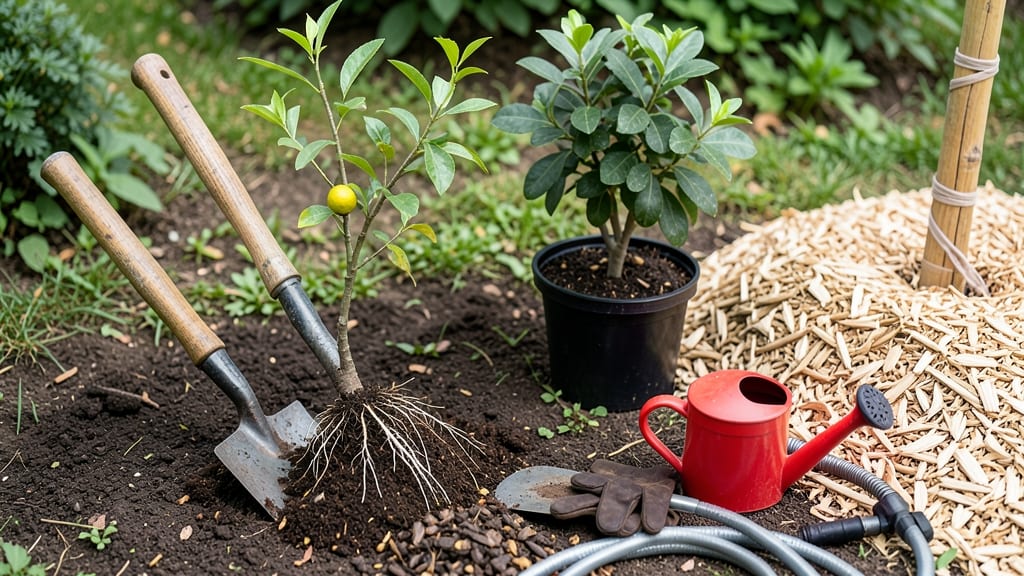
Timing your fruit tree planting just right in California could mean the difference between a thriving orchard and a sad, withering sapling.
With three distinct climate zones—coastal, inland, and desert—there’s no one-size-fits-all answer, but getting it right guarantees stronger roots, faster growth, and fruit yields that’ll make your neighbors jealous.
I’ve spent years watching fruit trees take root in California’s varied landscapes, and the best time depends on where you live. Coastal areas like San Francisco can plant later, while inland spots near Sacramento need to act fast before summer heat sets in.
Even citrus and stone fruits have different ideal windows, so let’s break it down by region.
You’ll discover how to read your local microclimate like a pro—whether it’s waiting for soil to warm up in the Central Valley or dodging late frosts in the foothills.
I’ll share the exact months that work best for each zone, plus pro tips for soil prep and variety selection that’ll set you up for success.
Ready to plant with confidence? Let’s dive into the science and secrets that’ll help your fruit trees thrive, no matter where you’re growing in the Golden State.
California’s ideal fruit tree planting months by microclimate zone
California’s three distinct microclimates—Northern, Central, and Southern—each demand unique timing for planting fruit trees. The last frost date and soil warmth vary drastically, so blindly following generic spring advice can backfire.
For example, citrus trees in Southern California thrive when planted in late winter (February-March), while stone fruits like peaches in Northern California need to wait until late spring (April-May) to avoid frost damage.
In Northern California (USDA Zones 7-9), where winters are colder, fruit trees like apricots and cherries should go in the ground after the last frost, typically March through April.
The cooler coastal regions (e.g., San Francisco Bay Area) can extend this window slightly later, but avoid planting in fall—young trees risk root damage from winter rains.
Central California’s valleys and foothills (Zones 8-10) offer a wider planting window from February to May, ideal for figs, pomegranates, and persimmons.
Here, soil temperature is the key factor—wait until the ground reaches at least 60°F to ensure root establishment. Urban heat islands (like Los Angeles) can push this window even earlier, but water stress becomes a risk if planted too soon.
Southern California’s desert and coastal zones (Zones 9-11) allow for year-round planting with minimal frost risk, but citrus and avocados still prefer late winter to early spring (February-April).
The coastal areas (e.g., Santa Barbara) benefit from milder winters, while inland deserts (e.g., Palm Springs) can plant avocados in fall to take advantage of winter rains.
| Microclimate Zone | Best Planting Months | Key Considerations | Example Fruit Trees |
|---|---|---|---|
| Northern CA (Zones 7-9) | March–April | Wait for last frost; soil >50°F | Peaches, Apricots, Cherries |
| Central CA (Zones 8-10) | February–May | Soil >60°F; avoid summer heat | Figs, Pomegranates, Persimmons |
| Southern CA (Zones 9-11) | February–April (Coastal) / Fall (Desert) | Coastal: mild winters; Desert: winter rains | Citrus, Avocados, Olives |
| Urban Heat Islands (LA, SF) | January–March | Early planting to beat summer drought | Dwarf Varieties, Mediterranean Trees |
For citrus trees, timing aligns with dormancy periods. Plant lemon, lime, and orange trees in late winter (February-March) to capitalize on spring rains and warmth.
In contrast, avocados—which need consistent moisture—should be planted in fall (October-November) in Southern California to establish roots before summer droughts hit.
Stone fruits like peaches and plums are high-chill crops, meaning they need 200-600 hours below 45°F annually. In Northern California, plant them in late spring (April-May) to avoid late frost damage.
Meanwhile, low-chill varieties (e.g., Santa Rosa plums) can be planted as early as February in Central California.
Nuts like walnuts and almonds require deep, well-draining soil and are best planted in early spring (March) across all regions. Their slow establishment means avoiding summer planting, which stresses young trees during peak heat.
For urban gardeners, container-grown trees can be planted year-round, but spring remains ideal for root growth.
Regardless of the region, avoid planting in summer—the intense heat and limited rainfall stress young trees. Instead, focus on late winter to early spring when soil is moist and temperatures are moderate. This window ensures strong root development before the first heatwave or frost arrives.
🌿 Remember: California’s microclimates can shift planting windows by months. Always check local frost dates and soil conditions—your neighbors’ success stories might not apply to your yard!
Critical factors that determine planting timing beyond just months
While knowing the best months to plant fruit trees in California is crucial, your local microclimate and tree variety demand even closer attention.
For example, a peach tree in the Central Valley needs to go in the ground by late winter to avoid summer heat stress, while a citrus tree along the coast can wait until early spring when soil warms to 60°F.
Soil temperature is your most reliable guide—never plant when the ground is still cold. Use a soil thermometer to check: citrus and figs thrive when soil hits 65°F+, while stone fruits like peaches and plums need 50-60°F for root establishment.
In desert areas, wait until April when soil has baked enough to prevent rot.
Frost risk is another game-changer. In Northern California, late frosts can linger into April, so plant low-chill varieties like loquat or apricot after the last frost date in your area.
Check the USDA Plant Hardiness Zone Map and local weather stations for frost-free dates—this is non-negotiable for stone fruits that need dormancy.
⚠️ CAUTION: Common Planting Mistakes That Kill Fruit Trees
- Planting too early in cold soil causes root rot—wait for consistent warmth.
- Ignoring chill hours for stone fruits leads to poor flowering—check variety needs.
- Skipping soil prep in heavy clay (common in Central Valley) smothers roots.
🌱 Pro Tip: Amend soil with compost and sand for better drainage.
Rainfall patterns also play a role. In Southern California, planting in November lets winter rains help roots establish before summer drought. Meanwhile, coastal areas with summer fog can plant citrus as late as March—just avoid the driest months when soil stays bone-dry.
The '100-degree day rule' is my foolproof trick: count the number of days your area stays above 100°F in summer. If it’s 30+ days, opt for heat-tolerant varieties like pomegranate or persimmon. In desert climates, this means planting in late winter to avoid scorching young roots.
Finally, tree variety dictates timing. Avocados need warm soil (70°F+) and can’t handle frost, so plant them in Southern California only after March 15. Meanwhile, figs are surprisingly frost-hardy and can go in as early as February in coastal zones.
By mastering these factors, you’ll outsmart California’s quirks and give your fruit trees the perfect start—no matter where you garden. 🌿