
Trees
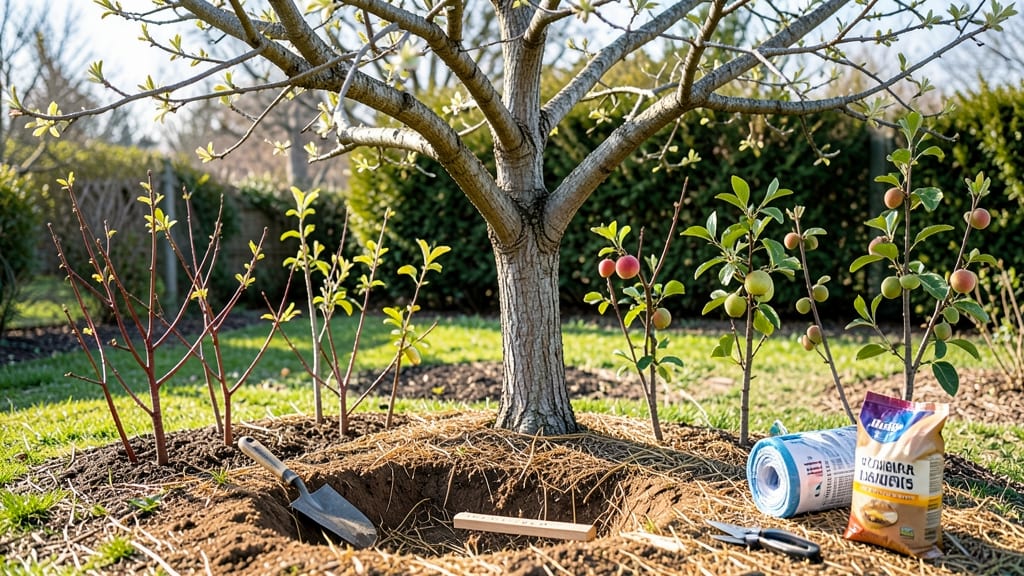
Planting a fruit tree 🍎 in Wisconsin isn’t just about picking a spot—it’s about timing it perfectly to beat the state’s infamous frost and give your tree the best shot at thriving.
The wrong window could mean stunted growth or even failure, but get it right, and you’re setting up decades of harvests.
Wisconsin’s 4a-6b zones and unpredictable weather make this a tricky balance, but the key lies in planting during early spring (April) or early fall (September-October). These windows let young roots establish before extreme heat or cold sets in.
Whether you’re planting bare-root saplings or container-grown trees, understanding your variety’s chill-hour needs is critical—apples and cherries have different deadlines than peaches or plums. I’ll break down the exact timing for each, so you can avoid common mistakes and maximize your tree’s potential.
Ready to dig in? Let’s make sure your fruit tree gets off to the right start—because in Wisconsin, timing really is everything.
Wisconsin fruit tree planting timeline: chill-hours & frost-free deadlines by variety
Wisconsin’s USDA hardiness zones 4a-6b demand precise timing for fruit trees, where chill-hours (cold winter hours) and frost-free deadlines dictate success. Plant too early, and your tree may struggle with late frosts; too late, and it won’t establish roots before winter.
Here’s how to align your planting with Wisconsin’s microclimates and variety-specific needs.
Most Wisconsin gardeners focus on apples, cherries, peaches, pears, and plums, but each requires different chill-hour thresholds. For example, Honeycrisp apples need 800-1,000 chill-hours, while Montmorency cherries thrive with 500-700 chill-hours.
Southern Wisconsin (zones 5b-6b) can handle broader windows, but northern areas (zones 4a-5a) must act faster to avoid frost damage.
Spring planting is ideal 2-3 weeks after the last frost (typically mid-May), but fall planting (late September-October) gives roots time to establish before winter. Bare-root trees planted in fall need 6-8 weeks of root growth before dormancy.
Container-grown trees offer more flexibility but must be planted before the ground freezes.
Here’s your variety-by-variety planting timeline, accounting for Wisconsin’s erratic frost patterns and chill-hour requirements:
For northern Wisconsin (zones 4a-4b), prioritize fall planting to give roots time to harden before winter. In southern Wisconsin (zones 5b-6b), spring planting offers a longer window but requires vigilance for late frosts.
Always check your local frost-free date (use the Midwest Regional Climate Center for updates) and adjust by 2-3 weeks for safety.
Pro tip: Bare-root trees planted in fall need
How to adjust planting time for Wisconsin’s microclimates & soil conditions
Wisconsin’s diverse landscapes—from the Lake Michigan shoreline to the Driftless Region—create microclimates that can shift your fruit tree’s ideal planting window by weeks.
For example, lakeshore areas often experience warmer springs and cooler summers than inland zones, while urban heat islands can push back frost dates by 1-2 weeks. Always check your local USDA zone and last frost date (typically mid-May in most of Wisconsin), but adjust for these nuances.
Heavy clay soils common in southern Wisconsin drain poorly, which can delay root establishment. Amend with compost or sand before planting to improve drainage, especially for peach and plum trees, which are sensitive to soggy roots.
In northern Wisconsin’s sandy soils, add organic matter to retain moisture for young trees during dry spells.
🌱
Late frosts in Wisconsin (even after Mother’s Day) can kill tender new growth. If planting in early spring (April), use frost cloth or row covers for the first 2-3 weeks to protect young trees. For stone fruits (peaches, cherries), delay planting until after May 15 in northern zones to avoid frost damage during bloom.
Urban gardens often experience earlier soil warming due to pavement. Plant 1-2 weeks earlier than rural areas, but monitor soil temps—roots need 45°F+ to establish.
Pro Tip: Test soil temps with a soil thermometer before planting. 50°F+ is ideal for most fruit trees.
For container-grown trees, you have more flexibility—plant anytime soil isn’t frozen, but avoid extreme heat (July-August), which stresses roots. Bare-root trees, however, must go in during their dormant season (fall or early spring) to prevent desiccation.
Mulching with wood chips or straw (3-4 inches deep) helps regulate soil temps and retain moisture, but keep mulch 6 inches away from the trunk to prevent rot. In windy lakeshore areas, add a windbreak (burlap or evergreen hedge) to shield young trees from drying winds.
If you’re planting in Zone 4a (northwest Wisconsin), opt for early-finishing varieties like ‘Honeycrisp’ apples or ‘Montmorency’ cherries, which tolerate shorter growing seasons.
In Zone 6b (southern Wisconsin), you can push the envelope with ‘Jewel’ peaches or ‘Bartlett’ pears, but still time planting for cool fall temps.
💧