
Plants
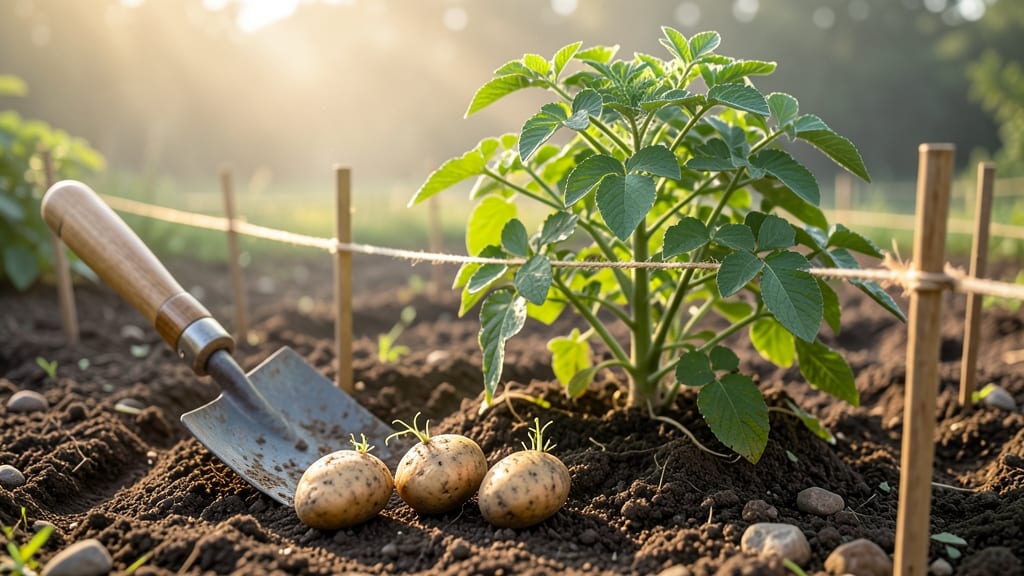
When do you plant potatoes in Arkansas isn’t just about following a calendar—it's about outsmarting the state's unpredictable spring frosts and sweltering summers. One wrong move, and you could lose your entire crop before it even sprouts. The key lies in understanding your USDA Zone 7a-8b climate and choosing the right varieties for your preferred harvest window.
For most Arkansas gardeners, the sweet spot falls between February and March for early varieties, or April to May if you're planting later-maturing potatoes. But here's the catch: soil temperature matters more than the date on your calendar.
Waiting until the ground reaches 45°F ensures your 🥔 potatoes sprout reliably, even if Mother Nature has other plans.
What you'll discover in this guide is how to read Arkansas's weather patterns like a pro. We'll cover everything from frost protection strategies to variety selection that thrives in your specific region—whether you're in the cooler mountains or the warmer Delta.
Ready to transform your potato patch from hit-or-miss to consistently bountiful?
The secret isn't just when to plant—it's knowing how to prepare your soil, space your plants, and time your harvest for maximum yield. Let's get your Arkansas potato garden off to the perfect start, so you can enjoy homegrown spuds from May through September without the guesswork.
Arkansas potato planting deadlines by season: spring vs fall rules
Arkansas's USDA Zones 7a-8b create a tricky balance for potato growers. The state's late spring frosts (often until March 15) and fall heat spikes mean your planting window is narrower than you might think.
In North Arkansas (Fayetteville), the last frost typically arrives by April 15, while the Delta region (Texarkana) can see frost as late as March 25. These differences matter—plant too early, and you risk frost damage; too late, and your harvest suffers.
Most Arkansas gardeners focus on spring planting (February–April), but fall planting (August–September) is possible for late varieties. The key is aligning your schedule with soil temperatures (aim for 45°F+) and historical frost data.
For example, Little Rock's average last frost is March 20, but 2022 saw frost linger until April 5. Plan for flexibility!
Here’s the golden rule: Plant early varieties (like Yukon Gold) when soil hits 45°F and late varieties (like Russet Burbank) by April 15 in most regions. Fall planting requires even more precision—soil must warm to 60°F+ after the August 15 heat wave subsides.
For spring planting, start with seed potatoes indoors in late January to get a jump on the season. Harden off seedlings by mid-February and transplant when soil warms. In North Arkansas, aim for March 1 planting; in the Delta, wait until March 15.
Use black plastic mulch to speed up soil warming by 5–7°F.
Fall planting is riskier but can extend your harvest. Plant late-maturing varieties in August for a September–October harvest. The 90-day rule applies: Choose varieties that mature before the first frost (typically November 15). For example, Kennebec (90 days) works, but Russet Burbank (110 days) may not finish in time.
Pro tip: Use NOAA ArkClimate data to track local frost trends. For instance, Fayetteville averages 300 frost-free days, while El Dorado has 220 days. Match your variety’s days to maturity to your region’s frost-free window.
For example, a 100-day variety in El Dorado risks frost if planted after July 1.
Don’t overlook soil preparation. Arkansas’s clay-heavy soils (common in the Delta) drain poorly, while sandy loams (North Arkansas) dry out fast. Amend with compost and sand to improve drainage.
Test your soil’s pH (5.8–6.5)—potatoes hate acidic soil. If your pH is below 5.5, add lime 2–3 months before planting.
Remember: Arkansas’s humidity and late-season pests (like colorado potato beetles) demand vigilance. Rotate crops yearly and use row covers to protect young plants. With the right timing and prep, you’ll harvest 5–10 lbs of potatoes per plant—worth the effort!
🥔
How to time potato planting for Arkansas’s unpredictable weather
Arkansas’s unpredictable spring frosts and fall heat spikes can throw off even the most experienced gardeners. Unlike northern states, Arkansas’s USDA Zones 7a-8b mean you can plant potatoes both in spring and fall, but timing is critical.
A late frost in April or a sudden heatwave in October can devastate your crop if you’re not prepared.
To beat Arkansas’s erratic weather patterns, I rely on three key strategies: soil temperature checks, frost protection, and historical weather data.
For example, in North Arkansas (Fayetteville), frost can linger until mid-April, while the Delta region (Texarkana) may see last frosts as late as early April. Planning ahead ensures your potatoes thrive regardless of where you garden.
🌱
⚠️ Arkansas-Specific Risks
Spring: Late frosts (20% chance in April) can kill young sprouts. Fall: Early heatwaves (>90°F in September) stress tubers before harvest.
Solution: Use row covers for spring and shade cloth for fall. Monitor NOAA ArkClimate for 10-day forecasts.
Start by testing your soil temperature—potatoes need 45°F (7°C) to sprout. In Arkansas, this typically aligns with mid-February to early March for spring planting. Use a soil thermometer or the "barefoot test": if the ground feels cool but not freezing, it’s ready.
For fall planting, aim for 6-8 weeks before your first frost (usually late August to early September), giving tubers time to mature before cold sets in.
Another Arkansas-specific trick? Warming soil faster in cooler zones. Spread black plastic mulch 2-3 weeks before planting to raise soil temps by 5-10°F. In higher elevations (e.g., Eureka Springs), this can shave 1-2 weeks off your planting timeline. Just remove the mulch once sprouts emerge to prevent overheating.
For frost protection, low tunnels or row covers are my go-tos. In North Arkansas, where April frosts are common, I use floating row covers until mid-May. In the Delta, where humidity is higher, cloches help prevent late blight (a fungal disease that thrives in Arkansas’s damp summers).
Always secure covers with bricks or stakes—strong winds in spring storms can rip them away.
Finally, leverage NOAA ArkClimate data to refine your schedule. Check the 30-year frost averages for your county and adjust by 1-2 weeks based on recent trends. For example, Little Rock’s last frost has shifted 3 days later over the past decade due to climate change.
Staying flexible with your planting dates—based on real-time data—is the secret to Arkansas potato success.