
Plants
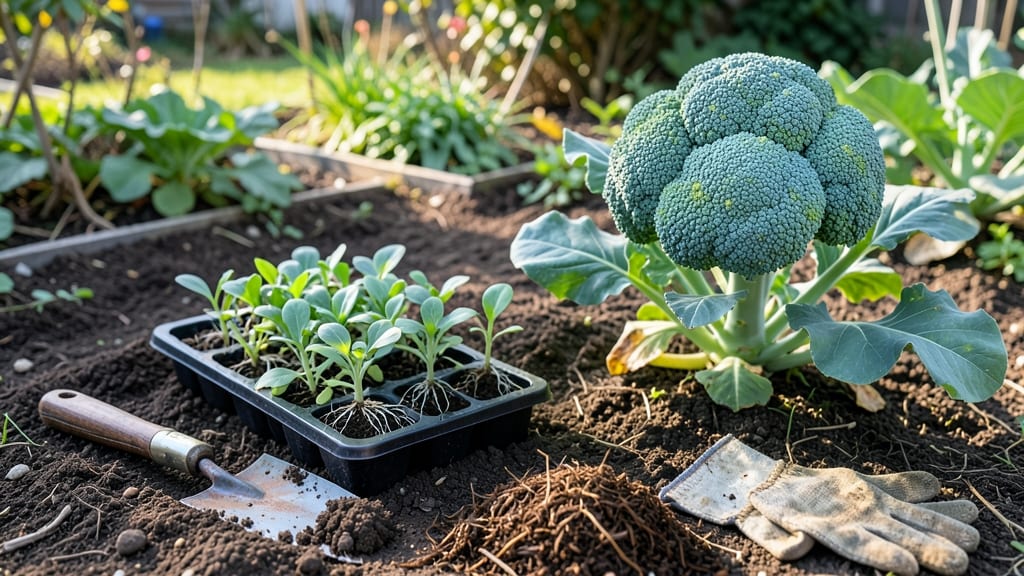
Planting broccoli in Iowa at the wrong time can mean the difference between a bountiful harvest and a total loss to frost or heat. As someone who’s learned the hard way, timing is everything—especially in Zone 5a-5b where unpredictable spring weather can throw off even the best-laid plans.
Most gardeners in Iowa focus on two key windows: early spring (March-April) and late summer (July-August). But getting it right means knowing your last frost date—typically around April 15—and adjusting for soil temperature.
The goal? Give your 🥦 broccoli enough time to mature before summer’s heat sets in or winter’s chill arrives.
In this guide, I’ll break down the exact frost-free deadlines for both spring and fall planting, plus how to handle Iowa’s quirky weather. Whether you’re direct-sowing seeds or transplanting seedlings, these tips will help you avoid common mistakes and maximize your yield.
Ready to grow healthier, more productive broccoli? Let’s dive into the best planting strategies tailored for Iowa’s climate—so you can enjoy fresh, homegrown 🥦 from late spring through fall.
Iowa broccoli planting calendar: exact dates for Zone 5a vs 5b
Iowa’s Zone 5a-5b climate means broccoli thrives in two distinct planting windows: early spring and late summer. For spring crops, aim for 4-6 weeks before your last frost date—typically mid-March to early April in most Iowa regions.
Fall plantings should go in late July to early August to mature before first frost (usually mid-October).
Your exact planting dates depend on location: Des Moines (Zone 5b) has a slightly later last frost (April 20) than Dubuque (Zone 5a) (April 10). Use these local averages as your guide, but always monitor weekly frost forecasts for adjustments.
🌱 Did You Know? Iowa’s short growing season (only 165 frost-free days) demands precise timing. Plant too late, and your broccoli may bolt before forming heads—especially in Zone 5a’s cooler microclimates.
Iowa Broccoli Planting Timeline
| Stage | Zone 5a (Dubuque) | Zone 5b (Des Moines) | Action |
|---|---|---|---|
| Spring Planting | March 15–April 5 | March 25–April 10 | Start seeds indoors or direct sow |
| Transplant Outdoors | April 10–May 1 | April 15–May 5 | Hardy seedlings ready for 50°F soil |
| Fall Planting | July 15–August 5 | July 20–August 10 | Direct sow or transplant |
| Harvest Window | May 20–June 15 | May 25–June 20 | Spring heads; fall heads Sept 1–Oct 10 |
| First Frost Risk | October 10–15 | October 15–20 | Protect plants with row covers |
For spring broccoli, choose cold-hardy varieties like 'Waltham 29' or 'Packman', which tolerate light frosts. These varieties mature in 55–65 days, giving you a head start before Iowa’s summer heat sets in.
Plant seeds ½ inch deep and 18 inches apart in rows 24 inches apart for optimal airflow.
Fall plantings require fast-maturing varieties like 'Calabrese' (60–70 days) to finish before frost. Use black plastic mulch in late July to warm soil and extend the season by 2–3 weeks. This trick is especially useful in Zone 5a’s cooler pockets where summers are shorter.
Pro tip: Direct sowing in spring is easier than transplanting, but fall crops often perform better when transplanted as 4–6 week old seedlings. This gives them a head start against Iowa’s late-summer heat, which can cause bolting.
Always test soil temperature before planting—broccoli needs soil at 40°F or warmer. Use a soil thermometer to avoid planting too early in cold, wet springs, which can stunt growth or attract pests like cabbage worms.
For reliable harvests, stagger plantings every 2 weeks in spring and 3 weeks in fall. This ensures a continuous supply of broccoli heads throughout Iowa’s short growing season.
🌿 Key Takeaway: Iowa’s Zone 5a-5b gardeners should focus on two planting windows—early spring for cold-hardy varieties and late summer for fast-maturing fall crops—while monitoring soil temperature and frost forecasts to maximize yields.
How to adjust planting times for Iowa’s unpredictable weather patterns
Iowa’s Zone 5a-5b climate throws curveballs—one year’s last frost might hit April 15, while another brings late frosts into May. To protect your 🥦 broccoli, I’ve learned to use row covers and soil thermometers to fine-tune planting.
For example, if soil temps stay below 40°F for weeks, delay sowing until after April 20 to avoid stunted growth.
Another trick? Plant cold-hardy varieties like 'Waltham 29' 2-3 weeks earlier than average. These tolerate 25°F temps, giving you a 2-week buffer against late frosts. Just cover seedlings with frost cloth if temps dip below 30°F—I’ve saved entire crops this way during May freezes.
Late Frost Warning
If your area gets late frosts (common in northern Iowa), delay spring planting until May 1 or use black plastic mulch to warm soil 5-10°F faster. For fall crops, start seeds July 20-August 1 to ensure harvest before first frost.
Heatwaves are another challenge. If summer temps hit 90°F+, broccoli bolts (prematurely flowers) in 10-14 days. To beat the heat, I plant shade-tolerant varieties like 'De Cicco' under 30% shade cloth during July. Alternatively, opt for fall planting—seeds sown August 1-15 mature before heat stress sets in.
Drought is less common in Iowa but still a risk. Broccoli needs 1-1.5 inches of water weekly, so I mulch with straw to retain moisture.
During dry spells, water deeply in the morning to prevent fungal diseases. If rainout occurs, use drip irrigation to keep soil consistently moist without wetting foliage.
For backup plans, I keep transplants on hand—if direct-sown seeds fail, I pop in 4-week-old seedlings from a greenhouse. This works especially well for fall crops: start seeds indoors July 1, then transplant August 15 for a September-October harvest.
Pro tip: Track your local microclimate. Gardens near lakes or rivers (like Cedar Rapids) stay cooler longer, while urban areas (like Des Moines) can be 5°F warmer. Adjust planting dates accordingly—sometimes 1-2 weeks makes all the difference!