
Plants
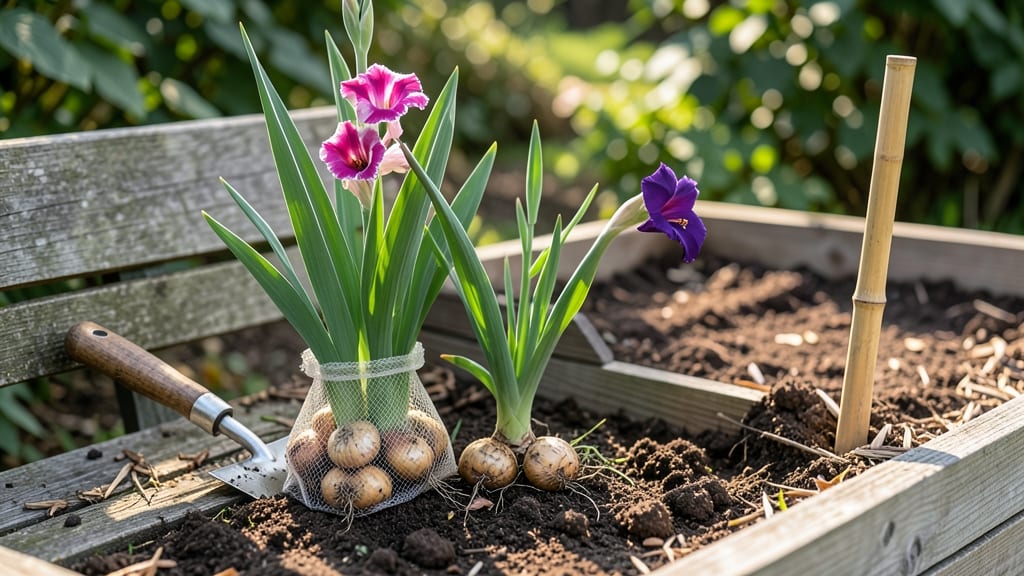
Timing your gladiolus planting in Colorado can mean the difference between showstopping summer blooms and frost-nipped disappointment. With elevation zones ranging from 5b in Denver to 7b in Grand Junction, your planting window shifts dramatically—get it wrong, and your 🌸 gladiolus might never reach their full potential.
Most gardeners in Colorado’s Front Range wait until mid-April to mid-June, but mountain regions need to hold off until late May or even June.
The key is knowing your last frost date—Colorado State University Extension tracks these variations by zone, so you can plant your corms 2-4 weeks after that critical date for the best results.
Why does this matter? Because gladiolus thrive in warmth but can’t handle even light frosts. Planting too early in cooler zones risks stunted growth, while waiting too long cuts your blooming season short.
I’ll show you how to adjust for your specific elevation, plus pro tips to extend your season and protect your plants from unexpected cold snaps.
Ready to transform your garden with vibrant gladiolus that last from July to September? Let’s break down the exact timing, soil prep, and frost-proofing strategies tailored to Colorado’s unique climate—so you can enjoy those dramatic 🌸 spikes without the guesswork.
Colorado gladiolus planting dates by elevation Zone (with frost risk maps)
Colorado’s elevation zones dramatically impact when to plant gladiolus corms. Unlike flat landscapes, our Front Range (Denver, Boulder) has earlier last-frost dates than mountain regions (Eagle, Summit Counties). Even within the same city, a 1,000-foot elevation gain can shift your planting window by 2-3 weeks.
Let’s break it down by zone to avoid frost damage and maximize blooms.
Use the Colorado State University Extension frost maps as your guide, but adjust for microclimates. For example, Grand Junction (Zone 7b) can plant 2 weeks earlier than Fort Collins (Zone 5a).
Always wait until soil temperatures reach 60°F (15°C)—a soil thermometer is your best tool. Cold soil slows germination, leading to weak, leggy stems.
Pro Tip: Check the National Weather Service’s Almanac for your specific last-frost averages. In Denver (Zone 5b), aim for May 1-15, while Aspen (Zone 4a) gardeners should wait until June 1-15. Mountain regions often have shorter growing seasons, so opt for early-blooming varieties like 'White Prosperity' or 'Pink Parfait'.
| Elevation Zone | USDA Zone | Last Frost Date | Planting Window | Bloom Time |
|---|---|---|---|---|
| Front Range (Denver, Boulder, Fort Collins) | 5a-5b | April 15-May 1 | May 1-15 | Late July-Sept |
| Western Slope (Grand Junction, Durango) | 7a-7b | March 15-April 1 | April 1-15 | June-August |
| Mountain Regions (Eagle, Summit, Gunnison) | 4a-5a | May 15-June 1 | June 1-15 | Late July-August |
| High Plains (Colorado Springs, Pueblo) | 6a-6b | April 1-May 1 | May 1-31 | Late July-Sept |
🌡️ Adjust for microclimates: Urban areas (e.g., Denver) warm faster than rural zones.
If you’re in a high-elevation garden, consider staggered planting. Start with early varieties in early June for a prolonged bloom season. For example, plant 'Green Star' (early) in June and 'Black Pearl' (late) in July to extend your display until first frost.
This works especially well in Zone 4-5 where summers are short.
For container gardening in urban Denver, you can push planting back to late May by using black plastic pots (they absorb heat). Place containers on south-facing patios or near sunny walls to create a warmer microclimate. Just ensure pots have drainage holes—gladiolus hate soggy roots.
One common mistake is relying on calendar dates instead of soil conditions. A late May frost in Fort Collins can still occur, so always monitor the Colorado Climate Center or use frost alarms. If frost threatens after planting, cover corms with
Colorado gladiolus planting dates by elevation Zone (with frost risk maps)
Colorado’s elevation zones dramatically impact when you should plant gladiolus corms. In Denver (Zone 5b), aim for mid-April to early May, while Grand Junction (Zone 7b) can start as early as late March.
Mountain regions like Aspen (Zone 4a) often wait until late May to avoid frost damage. The key is aligning with your last frost date, which Colorado State University Extension tracks by county.
Use this elevation-based timeline as your guide, but always verify local frost data. For example, Fort Collins (Zone 5a) typically sees its last frost around April 15, while Colorado Springs (Zone 6a) averages April 30. Planting 2-4 weeks after these dates ensures your gladiolus thrive without frost risk.
| Elevation Zone | Last Frost Date | Planting Window | Bloom Time |
|---|---|---|---|
| Denver (Zone 5b) | April 15 | Mid-April to May 15 | July to August |
| Colorado Springs (Zone 6a) | April 30 | Late April to June 1 | July to September |
| Grand Junction (Zone 7b) | March 15 | Late March to April 30 | June to August |
| Aspen (Zone 4a) | May 15 | Late May to June 15 | August to September |
🌡️ Check your county’s frost dates via Colorado State University Extension for precise timing.
For mountain regions above 8,000 feet, consider starting gladiolus in containers to move them indoors if frost threatens. In lower elevations like Pueblo (Zone 6b), you can even plant early varieties in March for extended blooms.
Always choose dwarf varieties for shorter seasons—they mature faster and resist wind better.
Pro tip: If your area has unpredictable spring frosts, use frost cloth for the first 2 weeks after planting. This gives your gladiolus a head start without risking cold damage. Pair this with well-draining soil to prevent rot—Colorado’s clay-heavy soils need amendments like compost or sand.
Remember, gladiolus need 6+ hours of full sun daily. In shadier microclimates (common in mountain valleys), opt for semi-dwarf varieties like 'Picasso' or 'Green Star'—they tolerate slightly less sun while still producing stunning blooms. Adjust your planting date 1-2 weeks later if your garden receives partial shade.
Once planted, your gladiolus should bloom in 90-120 days, giving you vibrant summer and early fall color. For longer vase life, harvest flowers when the lower buds open but the upper buds remain tightly closed.
This ensures your cut stems last 10-14 days in water—perfect for Colorado’s 🌸 bouquets!