
Flowers
Timing your flowers planting in New England isn’t just about luck—it’s the secret to vibrant blooms that last all season. With frost dates shifting yearly, knowing when to plant 🌸 can mean the difference between a thriving garden and a sad, frost-killed disappointment.
New England’s 5b-6b zones give you two prime windows: late April to mid-June for spring blooms and late August to early September for fall planting. But here’s the catch—soil temperature matters just as much as calendar dates.
Too early, and your flowers will shiver; too late, and you’ll miss peak growth.
I’ll break down the exact frost-free deadlines by zone, plus pro tips to extend your season with row covers and microclimate hacks. Whether you’re planting annuals like marigolds or perennials like coneflowers, you’ll learn how to time it perfectly for bold, long-lasting blooms.
Ready to transform your garden? Let’s dive into the most important planting windows and care tricks to make your flowers thrive—no matter what New England throws at them.
New England frost-free dates by Zone: exact planting windows for annuals & perennials
New England's USDA Hardiness Zones 3–6 create dramatic differences in planting windows—just 100 miles inland can shift your last frost date by 2–3 weeks.
For example, coastal Maine (Zone 5a) typically sees its last frost by May 15, while inland Vermont (Zone 4b) may not warm up until June 1.
These variations mean your pansies might thrive in March in southern New Hampshire but wait until April in northern Maine.
To nail your planting timeline, focus on two critical dates: your average last frost date (when nighttime temps reliably stay above 32°F) and your soil warming threshold (50°F for most flowers).
Coastal areas warm faster due to ocean influence, while inland valleys can experience "false springs" with sudden frost returns. Always check your local Almanac frost calendar or use a frost-free date calculator for your ZIP code.
Here’s how to decode your zone’s planting window using regional examples:
| Zone | Last Frost Date | First Frost Date | Ideal Planting Window | Notes |
|---|---|---|---|---|
| Zone 3 (Northern ME, NH) | Late May–June 1 | Late September–Oct 1 | June 10–July 15 (spring); Aug 1–Sept 10 (fall) | Use row covers for early starts |
| Zone 4 (VT, NH, ME inland) | May 10–May 25 | Sept 20–Oct 5 | May 15–June 10 (spring); Aug 15–Sept 1 | Wait for soil 55°F+ for warm-season flowers |
| Zone 5 (CT, RI, MA, VT valleys) | April 25–May 10 | Oct 5–Oct 15 | May 1–May 20 (spring); Aug 1–Aug 25 (fall) | Coastal areas can plant 2 weeks earlier |
| Zone 6 (Long Island, Cape Cod) | April 10–April 20 | Nov 1–Nov 10 | April 15–May 1 (spring); Sept 1–Sept 20 (fall) | Extend season with cold frames |
Cool-season flowers like pansies and calendulas can handle light frosts (28°F), so you can plant them 4–6 weeks before your last frost date. For warm-season favorites (marigolds, zinnias), wait until 2 weeks after your last frost—these divas need consistent warmth to germinate.
Pro tip: Use a soil thermometer to confirm 50°F+ soil temps before planting.
New England’s microclimates add another layer of complexity. A south-facing slope warms 2–3 weeks earlier than a north-facing yard, while urban areas can be 5–10°F warmer than rural spots. Observe your garden’s behavior for 3 years to spot patterns—your neighbors’ frost dates might not match yours!
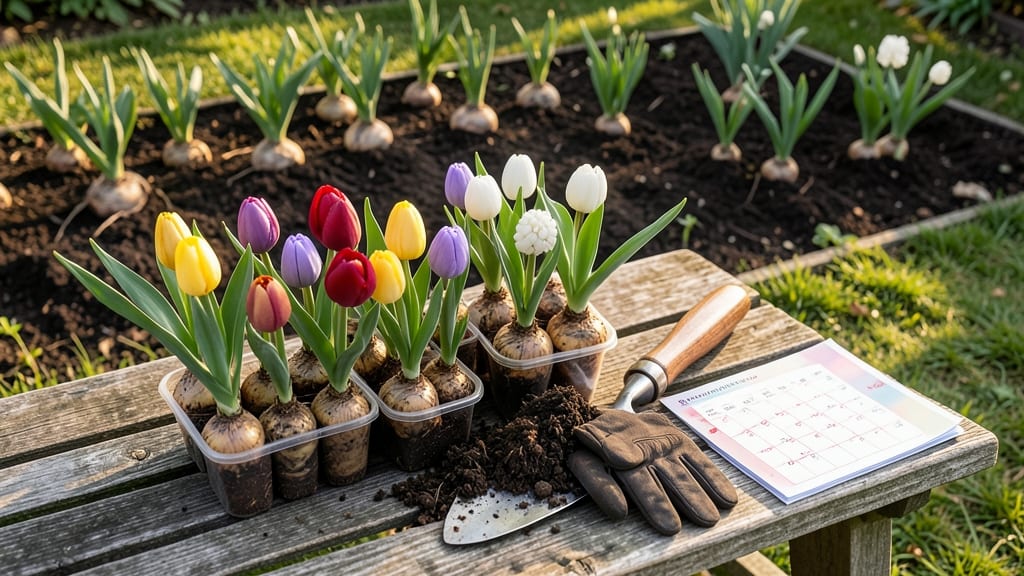
For bulbs like tulips, plant in fall (Oct–Nov) when soil temps drop below 60°F. This gives roots time to establish before winter. In Zone 3, cover bulbs with straw mulch to prevent heaving.
Meanwhile, perennials like coneflowers can be planted in spring or fall, but spring planting gives them a full growing season to root deeply.
Don’t overlook fall planting—it’s a game-changer for annuals like cosmos and perennials like black-eyed Susans. Seeds sown in late August–early September often bloom earlier the next spring because they’ve already germinated.
Just aim to have 6–8 weeks of growth before your first frost. For Zone 4–5, this means planting by
Best flowers to plant by month in New England: a seasonal guide
New England’s short but sweet growing season means every month counts when planting flowers. My garden thrives when I follow a month-by-month schedule tailored to local frost patterns and soil warmth. Let’s break down the best flowers to plant each month, from early spring bulbs to late-season asters.
March is all about cool-season champions like tulips and daffodils. These hardy bulbs can handle chilly soil and even light frosts. I plant them in late March to early April, just as the ground thaws.
For container gardens, I use frost-resistant varieties like pansies or sweet alyssum—they’ll bloom even in cooler temps.
For perennials like coneflowers or black-eyed Susans, I plant in May or early June once the soil is consistently warm. These tough beauties reward patience with years of low-maintenance blooms. I always mulch heavily after planting to protect roots from late frosts.
Don’t overlook fall planting! August and September are perfect for cool-season annuals like pansies and snapdragons. These will bloom through early winter if planted by early September. I use row covers on especially cold nights to extend their season.
Pro tip: Check your local frost dates yearly—they shift with climate changes. My Zone 5b garden in Vermont gets 1-2 weeks earlier than coastal Maine’s Zone 6a. Adjust your schedule accordingly, and don’t forget to harden off seedlings before transplanting!
With this seasonal roadmap, your New England garden will burst with color from spring bulbs to fall asters. Happy planting—your future blooms will thank you!