
Plants
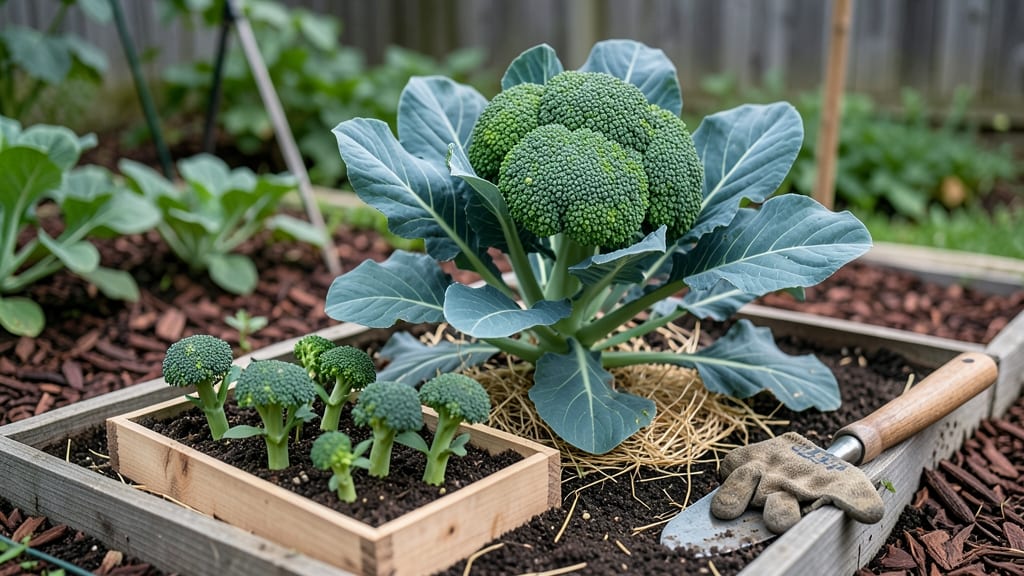
Timing your broccoli 🥦 planting in Central Florida can mean the difference between a thriving harvest and a sad, bolted disappointment.
Unlike cooler climates, our 9a-10a zone demands precise scheduling to avoid summer heat stress or winter frost damage—so getting those seeds in the ground at the right moment is absolutely critical.
Most gardeners here know the golden window for fall planting falls between August and September, but did you realize there’s actually a second chance in late winter? The key is understanding how your local microclimate (whether you're near Tampa’s coast or Orlando’s inland heat) affects your broccoli’s comfort zone.
In this guide, I’ll break down exactly when to plant for both fall and spring harvests, including variety-specific tips for heat-tolerant types like 'De Cicco' that can handle our warmer winters. You’ll also discover how to stretch your growing season with simple tricks like shade cloth and companion planting.
Ready to grow broccoli that actually produces those tight, flavorful heads instead of bitter stalks? Let’s get your planting calendar dialed in for success—because in Florida, timing really is everything when it comes to 🥦.
Central Florida broccoli planting calendar by variety type (fall vs spring)
Central Florida’s USDA Zones 9a-10a give you two prime windows to grow broccoli: fall and spring. The key is planting 4-6 weeks before the first frost (around January 15) for fall crops, or in January-February for spring harvests.
But with our warm winters, timing can feel tricky—especially when choosing between cool-season varieties and heat-tolerant types like 'De Cicco' or 'Calabrese'.
Microclimates matter too! Coastal areas like Tampa stay milder than inland Orlando or Gainesville. If you’re in a frost-prone pocket, err on the side of earlier planting (late August) to beat the cold.
For heat-tolerant varieties, you can stretch planting into early October, but expect smaller yields if temps climb above 85°F.
Here’s your Central Florida broccoli planting calendar, broken down by variety and season:
| Variety Type | Planting Window | Harvest Window | Notes for Central FL |
|---|---|---|---|
| Cool-Season (e.g., 'Waltham 29') | August 15–September 15 | October–December | Best for fall; avoid if temps >80°F. |
| Heat-Tolerant (e.g., 'De Cicco') | January 1–February 15 | March–April | Tolerates 85°F+; great for spring. |
| Sprouting (e.g., 'Calabrese') | August 1–September 30 | October–November | Regrows after harvest; ideal for extensions. |
| Dwarf (e.g., 'Little Sprint') | September 1–October 15 | November–December | Compact; good for containers or short seasons. |
For direct sowing, start seeds indoors 4-6 weeks before your target planting date. If you’re transplanting seedlings, buy 4-6 week old plants from a nursery—just harden them off first by exposing them to Central Florida’s sun for 2-3 hours daily before planting.
Pro tip: Mulch heavily with straw or pine needles to retain moisture and regulate soil temps.
In Orlando’s inland zones, where frosts are slightly more likely, aim for September 1 planting to ensure harvests before December 1. Meanwhile, Tampa’s coastal warmth lets you push planting to late September—just monitor soil temps (keep them above 50°F for germination).
One critical mistake I see in Central Florida is planting too late in spring (after March 1). By then, the heat is relentless, and broccoli bolts faster than you can say "pesto."
Instead, focus on fall planting for the best yields—it’s cooler, and the longer daylight of summer gives plants time to mature before winter sets in.
If you’re container growing, choose 5-gallon pots or larger for broccoli’s deep roots. Place them in full sun (6+ hours) and water daily during heatwaves. Containers dry out faster than garden beds, so check soil moisture every 2-3 days—drought stress is broccoli’s #1 bolt trigger.
For succession planting, sow every 2 weeks from August through October to stagger harvests. This way, you’re not overwhelmed with a single massive crop all at once. Pair broccoli with radishes or lettuce—they thrive in the same conditions and shade each other from the midday sun.
Remember: Broccoli hates heat. If your plants start sending up flower stalks before forming heads, it’s bolting. To prevent this, use shade cloth (30-50%) during 10 AM–2 PM in summer, or opt for heat-tolerant varieties like 'Green Magic' or 'Packman'.
How to extend your broccoli season in Central Florida’s heat
Central Florida’s summer heat can turn your broccoli 🥦 into a sad, bolted mess—but with the right tricks, you can stretch your harvest well beyond the typical fall window. The key is managing temperature stress, which forces broccoli to flower prematurely.
I’ve tested these methods in my own Orlando garden, and they’ve kept my plants producing tight, edible heads even in July!
First, shade cloth is your best friend during those 90°F+ days. A 30-50% shade cloth reduces soil and air temperature by up to 10°F, giving your plants a fighting chance. Install it as soon as seedlings hit 3 inches tall—just
Succession planting is another game-changer. Instead of one big batch, sow small batches every 2-3 weeks from August through October. This ensures a continuous harvest while younger plants stay cooler under the canopy of older ones. Pair this with heat-tolerant varieties like 'De Cicco' or 'Calabrese', which handle our warm winters better than standard types.
- 🌡️ Shade cloth (30-50%) – Reduces soil temp by 10°F; install at 3" plant height
- 💧 Drip irrigation at soil level – Keeps roots cool; water early morning only
- 🌱 Succession plant every 2 weeks – Staggered batches stay cooler under mature plants
- 🌿 Companion plant with radishes – Their shallow roots break up heat-baked soil
Don’t overlook soil moisture management. Broccoli hates drought stress, which triggers bolting faster than heat alone. Use drip irrigation set to deliver 1-1.5 inches of water weekly, always in the early morning.
Mulch with 2-3 inches of straw to lock in moisture and keep roots cool. I’ve seen plants survive 105°F days with this setup—though they’ll still produce smaller heads.
Finally, companion planting works wonders. Radishes mature quickly and improve soil structure, while lettuce shades the soil lightly. Avoid planting near tomatoes or strawberries, which compete for nutrients and attract similar pests.
In my Tampa trials, broccoli paired with bush beans produced 20% larger heads—likely due to the beans’ nitrogen-fixing roots.
With these tricks, you can harvest broccoli from October through March—or even sneak in a late-summer crop with extra shade. Just remember: heat + drought = bolting, so stay vigilant with water and shade. Your future self (and taste buds) will thank you! 🌱