
Plants
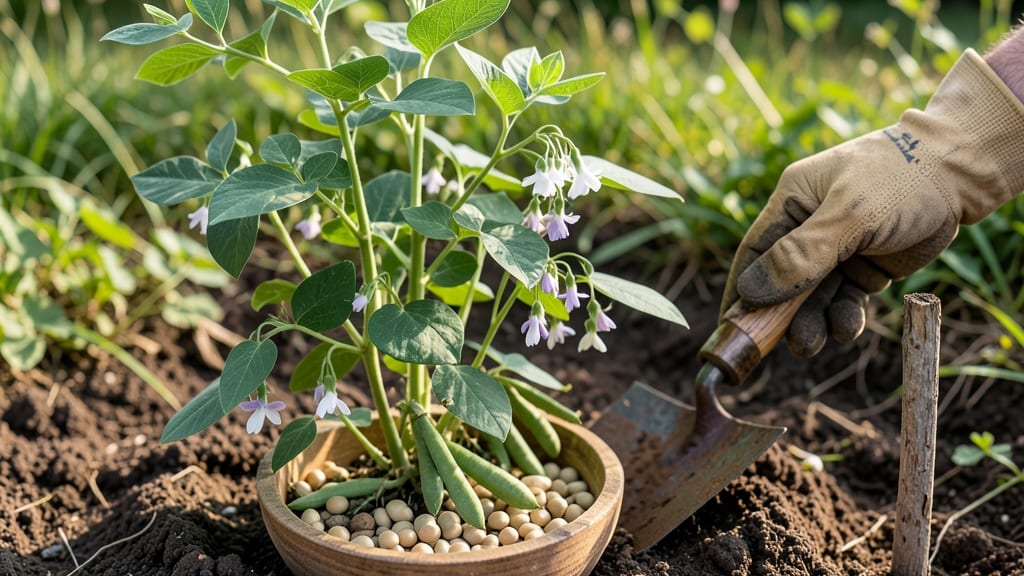
If you're wondering "when do you plant soybeans in Alabama", the answer depends on beating the clock—literally.
Alabama's 7b-8a zones give you a 3-month window (April to June) to plant, but timing isn't just about the calendar—it's about soil temperature, frost risk, and maximizing yield before summer heat sets in.
Planting too early risks frost damage to delicate seedlings, while waiting too long can shrink your harvest window. The key is waiting until the soil warms to at least 60°F—a threshold that typically aligns with late April in most of the state.
This timing ensures your 🌱 soybeans get a strong start before Alabama's summer heat kicks in.
What makes Alabama unique is its ability to support multiple planting strategies, from early-season varieties for cooler northern regions to late-season options in the warmer south.
Whether you're a first-time gardener or a seasoned farmer, understanding these regional nuances can mean the difference between a modest crop and a bountiful harvest.
In this guide, I'll break down the exact planting windows, soil prep tips, and heat tolerance factors specific to Alabama's climate. By the end, you'll know exactly when to plant for peak yield—and how to adjust for your specific corner of the state.
Optimal soybean planting windows in Alabama by USDA Zone 7b-8a
Alabama’s USDA Zones 7b-8a offer a 210-day frost-free season, creating prime conditions for soybean cultivation. However, planting too early risks late frost damage, while late planting may reduce yield potential. The ideal window balances soil warmth (60°F+) and frost-free certainty—typically between mid-April and early June.
For Zone 7b (northern Alabama), aim for late April to mid-May when average soil temps consistently reach 60°F. In Zone 8a (southern Alabama), you can extend planting until early June, but avoid pushing beyond June 15 to ensure sufficient maturity before fall frosts.
Early planting (March) is risky unless using frost-tolerant varieties like 'Bragg' or 'Hill'. Late planting (July+) may produce smaller yields due to shortened growing season. Always monitor local frost dates—northern Alabama’s last frost averages March 15, while southern areas may see April 1.
| Planting Window | USDA Zone | Soil Temp | Key Consideration |
|---|---|---|---|
| Late April - Mid-May | 7b (North AL) | 60°F+ | Balances frost risk and maturity |
| Mid-April - Early June | 8a (South AL) | 60°F+ | Extended window for double-cropping |
| March (Risky) | All Zones | 50°F+ | Use frost cloth for early varieties |
| June 15+ (Late) | 8a Only | 65°F+ | Reduced yield potential |
For home gardeners, I recommend direct sowing seeds 1 inch deep and 2-3 inches apart in rows spaced 18-24 inches apart. Use a soil thermometer to confirm 60°F+ soil temps before planting—this prevents chilling injury to young seedlings.
In Zone 8a, you can experiment with double-cropping after wheat harvests. Plant short-season varieties like 'Lee' or 'Dare' in early June for a late-summer harvest. Always select maturity group IV or V soybeans for Alabama’s climate—they mature in 90-110 days, aligning perfectly with our growing season.
Pro tip: Plant test rows in mid-April and May to compare growth rates and adjust your full planting schedule. Alabama’s humid summers can accelerate growth, so monitor pod development closely—harvest before pods turn yellow to preserve quality.
Remember that rainfall patterns vary by region. Northern Alabama may need supplemental irrigation during dry springs, while southern areas might face excess moisture in late summer. Always choose well-drained planting sites to prevent root rot.
Finally, consider planting dates relative to your intended use. For green soybeans (edible pods), aim for earlier planting (April-May). For dry beans (storage), extend to June for maximum yield potential.
🌱
Key factors that determine Alabama soybean planting success
Alabama’s soybean planting success hinges on three critical factors: soil temperature, frost-free dates, and rainfall patterns. Unlike cooler regions, Alabama’s USDA Zones 7b-8a offer flexibility, but these variables can shift your planting window by weeks—sometimes even months—depending on where you garden.
First, soil temperature is non-negotiable. Soybeans won’t germinate well below 50°F, but they thrive once soil hits 60°F+. In North Alabama (Zone 7b), this typically happens by mid-April, while South Alabama (Zone 8a) may reach it as early as late March.
Use a soil thermometer to confirm—don’t guess!
Frost risk is your second deadline. The average last frost date in Alabama ranges from March 15 (north) to April 1 (south). Planting before these dates risks killing seedlings, but waiting too long cuts your harvest window short. For example, a June planting in Zone 7b may yield immature pods before frost.
Rainfall patterns play a sneaky role too. Alabama’s summer humidity can stress soybeans if soil stays soggy, while drought-like conditions in late spring (common in the Wiregrass region) demand extra irrigation. Monitor local forecasts—delay planting if heavy rains are predicted within 48 hours of your target date.
🌱
⚠️ Watch for These Alabama-Specific Risks
1. Late Spring Frost: Northern Alabama (e.g., Huntsville) sees frost into April. Wait until April 15 for safety.
2. Summer Heat Stress: Temperatures above 90°F can stunt growth. Plant early-maturing varieties (e.g., 'Lee 68') to avoid this.
3. Southern Corn Rootworm: Common in Alabama’s Black Belt region. Rotate crops or use neonicotinoid-treated seeds if infestations are known.
Another pro tip: Alabama’s coastal plains (e.g., Mobile) often have earlier frost-free dates than inland areas, allowing for March plantings of heat-tolerant varieties like 'Bragg.’ Meanwhile, high-elevation spots (e.g., Lookout Mountain) may need to wait until May to avoid frost.
Finally, soil pH matters—Alabama’s clay-heavy soils often test acidic (pH 5.5–6.5). Aim for 6.0–7.0 by amending with lime 2–3 months before planting. Test your soil in fall to plan ahead.
By mastering these factors, you’ll turn Alabama’s climate into your soybean ally—not your enemy. Next, we’ll dive into how to adjust timelines for your exact corner of the state.