
Trees
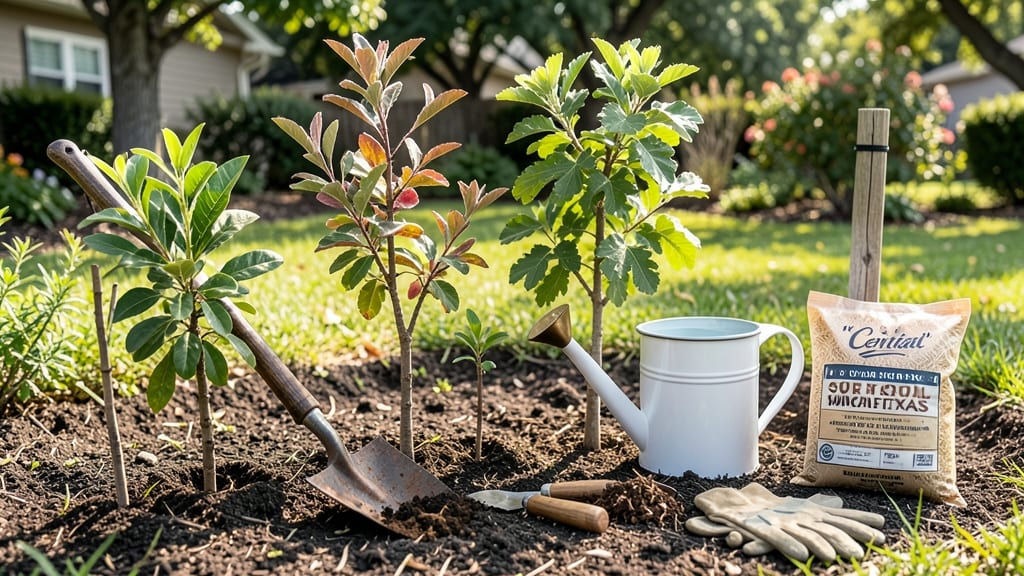
Planting fruit trees 🍎 in Central Texas at the wrong time could mean waiting years for that sweet harvest—especially with our scorching summers and chilly winters. The key to success isn’t just picking the right variety, but knowing when to get those roots in the ground for maximum growth.
Most Central Texas gardeners swear by late winter to early spring as the best window, but did you know citrus trees play by their own rules? While peaches and figs thrive when planted in February or March, citrus needs a slightly different approach to beat the heat.
I’ll break down the exact months for each type so you can avoid costly mistakes.
Whether you’re planting bare-root saplings or container-grown trees, timing matters more than you think. We’ll cover how to prepare your soil, adjust for microclimates (like Hill Country vs. urban areas), and even when summer planting might work for certain varieties. Ready to turn your backyard into a fruit-filled paradise?
Let’s dive into the best planting schedule for your region—so you can enjoy homegrown peaches by summer and citrus year-round. No more guessing, just proven strategies tailored to Central Texas’ unique climate.
Best planting months for fruit trees in Central Texas by type
Central Texas’s USDA Zones 8a-9a offer a narrow window for planting fruit trees, where timing directly impacts survival and productivity.
Unlike cooler climates, our hot summers and unpredictable winters demand precise scheduling—plant too early, and frost can kill young roots; too late, and your tree struggles to establish before the heat hits.
For most stone fruits (peaches, plums, cherries), the ideal window is February through early March, when soil temperatures hover around 50-60°F.
This aligns with the tree’s dormancy period, allowing roots to grow without competing with leaf growth. Citrus trees (oranges, lemons, limes), however, are more flexible—they thrive when planted in late winter (February) or early fall (October-November) to avoid extreme heat stress.
Temperate varieties like figs, pomegranates, and persimmons also prefer cool-season planting (February-March), but they tolerate slightly later dates into April if soil moisture is maintained. The key is avoiding peak summer heat (May-September), when young trees can’t handle the 100°F+ temperatures without supplemental shade and water.
| Fruit Type | Best Planting Months | Soil Temp | Notes |
|---|---|---|---|
| Stone Fruits (Peach, Plum, Cherry) | February–Early March | 50–60°F | Bare-root preferred; avoid late spring |
| Citrus (Orange, Lemon, Lime) | February or October–November | 55–65°F | Container-grown adaptable; protect from frost |
| Figs & Pomegranates | February–April | 50–70°F | Drought-tolerant once established |
| Persimmons | January–March | 45–60°F | Slow grower; needs well-draining soil |
If you miss the primary window, some varieties allow fall planting (October), but this is riskier due to early frost threats.
For example, pecan trees—a Central Texas staple—can be planted in late winter or early spring, but avoid autumn to prevent root rot in wet soils. Container-grown trees offer more flexibility, as they can be planted year-round except during peak summer (June-August).
Microclimates play a huge role in Central Texas. Hill Country areas (e.g., Fredericksburg) experience cooler nights and can extend the planting window into early April, while urban heat islands (Austin, San Antonio) may require earlier planting (February) to avoid heat stress.
Always check your last frost date—typically February 15—and adjust accordingly.
Pro tip: Bare-root trees should be planted as soon as they arrive, while container-grown trees can wait a few weeks. Amend your soil with compost and mycorrhizal fungi to boost root establishment, especially in our clay-heavy soils. Mulch heavily (3–4 inches) to retain moisture and regulate soil temperature.
For citrus trees, consider dwarf varieties like Meyer lemons or Calamondin oranges, which thrive in containers and can be moved indoors during freeze warnings. These are perfect for urban gardeners with limited space but still want a year-round harvest.
Remember: Patience is key. Fruit trees planted in optimal months may take 3–5 years to bear fruit, but proper timing ensures they’ll outlast Central Texas’s extreme weather swings. Start with 1–2 trees to test your microclimate before expanding your orchard.
🌱
Critical factors that determine your planting window
Central Texas’s unpredictable climate—with scorching summers and late frosts—means your planting window isn’t just about months, but soil temperature, frost dates, and even rainfall patterns. I’ve planted fruit trees here for over a decade, and I can tell you: timing is everything.
The last frost typically hits around February 15, but urban areas like Austin can stay warmer, delaying frost by weeks.
Soil temperature is your biggest clue. Most fruit trees need soil to warm to 60°F (15°C) before planting. In Central Texas, this usually happens by late February to early March. Use a soil thermometer to check—planting too early in cold soil can stunt root growth.
Citrus trees are the exception; they thrive when planted in fall or early spring to avoid summer heat stress.
🌱 Microclimates matter too. Hill Country areas like Fredericksburg have cooler nights, while urban Austin can be 10°F warmer than rural zones. Adjust your planting by 2-4 weeks later in hotter microclimates.
For example, peach trees in Austin might wait until mid-March, while Hill Country gardeners could plant in late February.
⚠️ Warning: Don’t Plant During Extreme Heat
Central Texas summers can push soil temps to 100°F+, shocking young roots. If you must plant in summer (June-August), choose container-grown trees and provide shade cloth for the first 2 weeks. Bare-root trees planted in summer often fail to establish.
Rainfall is another critical factor. Drought conditions in spring can stress newly planted trees, while excess rain in fall can delay planting. Aim for 2-4 weeks after the last hard rain to let soil settle.
If your area is dry, water deeply for 3 days before planting to help roots expand into moist soil.
Finally, tree dormancy plays a role. Bare-root trees planted in late winter (before buds swell) recover faster than those planted in spring. Container-grown trees, however, can be planted year-round—just avoid peak summer heat. For example, fig trees handle summer planting better than peaches because they’re more drought-tolerant.
Pro tip: Check your local Cooperative Extension Service for frost date updates—they adjust yearly. In my experience, planting 2-3 weeks after the average last frost gives roots time to establish before summer’s heat kicks in. For Central Texas, that’s usually mid-to-late March for most varieties.