
Plants
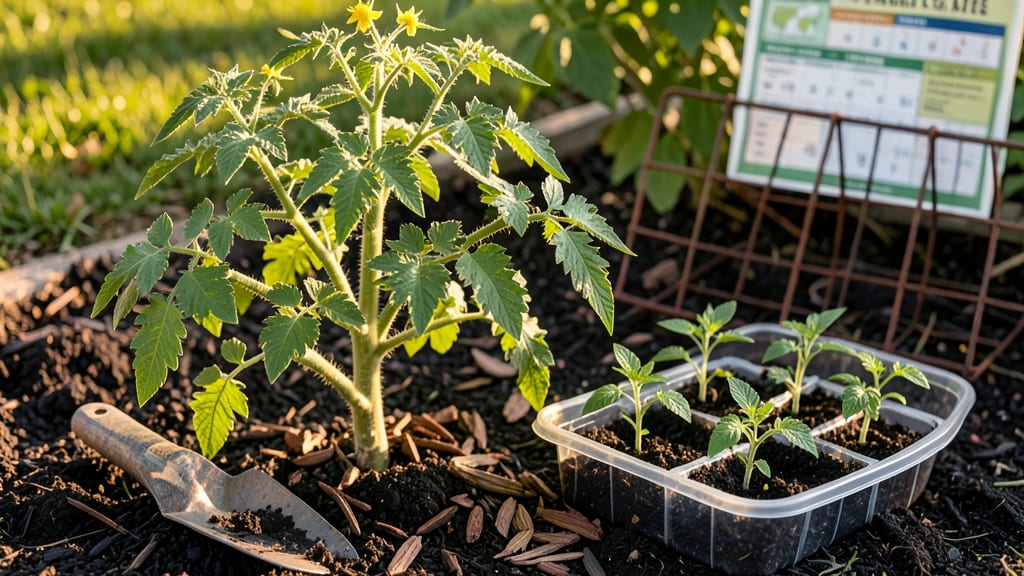
If you’ve ever watched your tomato plants 🍅 wilt overnight after a late frost—or worse, never even sprout—you know how critical the best time to plant tomatoes in Indiana is to your harvest.
The difference between a bountiful harvest and a wasted season often comes down to timing, and getting it wrong can mean stunted growth, fewer fruits, or even total crop loss.
Indiana’s Zone 5b-6b climate means your last frost typically arrives around mid-April, but that’s just the starting point. Planting too early risks frost damage, while waiting too long cuts your growing season short.
The sweet spot? Mid-April to early June, once soil temperatures hit at least 60°F—a rule that separates successful gardeners from the rest.
Here’s the game-changer: whether you’re starting seeds indoors or transplanting seedlings, the exact timing depends on your region’s microclimate. Northern Indiana’s cooler pockets may need a 2-week delay compared to southern Indiana’s warmer zones.
I’ll break down how to calculate your precise deadlines, plus 5 proven strategies to extend your harvest well into fall.
Ready to turn your Indiana garden into a tomato powerhouse? Let’s dive into the deadlines, soil prep, and smart planting tricks that’ll keep your plants thriving—no frost-induced heartbreak included.
Indiana’s exact tomato planting deadlines by last frost date
Timing your tomato plants in Indiana isn’t just about avoiding frost damage—it’s about matching your variety’s maturity with the 165-day growing season between last and first frost.
Northern Indiana’s Zone 5b has later deadlines than Southern Indiana’s Zone 6a, so I’ll break it down by region to help you pick the perfect window.
For transplants (purchased seedlings), your deadline is 2-3 weeks after your average last frost date. This gives plants time to establish roots before summer heat arrives. In most of Indiana, that means mid-April to early May for Northern counties and late March to mid-April for Southern Indiana.
If you’re starting seeds indoors, begin them 6-8 weeks before your last frost date. That translates to early February for Southern Indiana and late February to early March for Northern regions. Harden off seedlings for 7-10 days before transplanting to avoid shock.
Soil temperature is just as critical as air temperature. Tomatoes need soil temps above 60°F to thrive. Use a soil thermometer to confirm—cold soil delays germination and stunts growth. In Indiana, this typically aligns with late April to early May for most areas.
Here’s how to calculate your exact deadlines: Check NOAA’s Indiana frost data for your county (I use Purdue Extension’s climate maps), then subtract 2-3 weeks for transplants or 6-8 weeks for seeds. For example, if your last frost is April 20, plant transplants by May 4.
Early varieties like ‘Stupice’ (55 days to maturity) can handle Indiana’s short season, while ‘Better Boy’ (80 days) needs a longer window. Match your tomato variety to your region’s heat zone—Northern Indiana’s cooler summers favor faster-maturing plants.
Pro tip: Use row covers to plant 2 weeks earlier in spring or extend harvests by 3-4 weeks in fall. This is especially useful in Indiana’s Zone 5b areas where summers are shorter.
🌱Key takeaway: Indiana’s planting window is mid-April to early June, but your exact deadline depends on your last frost date, soil temperature, and tomato variety. Always err on the side of planting too late rather than too early—tomatoes recover better from heat stress than frost.
| Region | Last Frost Avg. | Transplant Deadline | Seed Start Date | Soil Temp Goal |
|---|---|---|---|---|
| Northern IN (Zone 5b) | April 25 | May 10-15 | March 10-15 | 60°F+ |
| Central IN (Zone 5b-6a) | April 15 | April 30-May 5 | February 25-March 5 | 60°F+ |
| Southern IN (Zone 6a) | April 5 | April 20-25 | February 10-15 | 60°F+ |
🌡️ Note: Adjust dates 1-2 weeks later if your area has a history of late frosts.
For container gardening, warm up soil faster by placing pots in black plastic-lined boxes filled with water (like a DIY greenhouse). This can shave 1-2 weeks off your planting timeline. Just ensure containers have drainage holes to prevent root rot—a common issue in Indiana’s humid summers.
If you’re in Northern Indiana, prioritize determinate varieties like ‘Roma’ or ‘Celebrity’, which mature faster (60-70 days) and handle cooler nights better. Indeterminate varieties like ‘Sungold’ need longer seasons but produce longer—ideal for Southern Indiana’s warmer climate.
Finally, keep a planting journal to track your local microclimate. Note when your soil warms, when frosts occur, and how varieties perform. Over time, you’ll refine your Indiana-specific deadlines to perfection.
☀️ Remember: Indiana’s tomato season is short but sweet—nail your planting window, and you’ll enjoy homegrown tomatoes from July through October!
Indiana’s exact tomato planting deadlines by last frost date
Indiana’s Zone 5-6 climate means your tomato planting window is tight—just 60-75 days between last frost and first frost. Northern Indiana (like Fort Wayne) averages a May 1 last frost date, while Southern Indiana (like Louisville) sees frost end by April 15.
These dates determine whether you’re planting transplants or seeds and which varieties will thrive.
For transplants, wait until soil temps hit 60°F+—use a soil thermometer to check. In Northern Indiana, this usually means late May for most gardeners. Southern Indiana can start as early as mid-April, but always verify with your local NOAA frost data for your exact county.
If you’re starting seeds indoors, begin 6-8 weeks before your last frost date. For Northern Indiana, that’s mid-March; Southern Indiana gardeners can start by late February. Use grow lights to avoid leggy seedlings, and harden them off for 10-14 days before transplanting.
| Region | Last Frost Avg. | Transplant Window | Seed Start Indoors |
|---|---|---|---|
| Northern Indiana (Zone 5b) | May 1 | Late May - Early June | Mid-March - Early April |
| Southern Indiana (Zone 6a) | April 15 | Mid-April - Late May | Late February - Mid-March |
| Heat Zone Adjustment | N/A | Early varieties: 1 week sooner Late varieties: 1 week later |
Extend with row covers |
Don’t rush planting—cold soil slows root growth, making plants vulnerable to disease. Amend your soil with compost or aged manure to warm it faster. For early varieties like ‘Stupice’ or ‘Mountain Merit’, you can push the window 1 week earlier with row covers.
If you miss the spring window, try late-summer transplants in July for a fall harvest. Choose fast-maturing varieties like ‘Early Girl’ (55 days) and use black plastic mulch to retain heat. Just be prepared to harvest before October 15, when frost typically returns.
Pro tip: Mark your calendar for June 15—this is your last chance to plant for a meaningful harvest in most of Indiana. After that, even heat-loving varieties like ‘Celebrity’ won’t have enough time to ripen before frost.