
How To
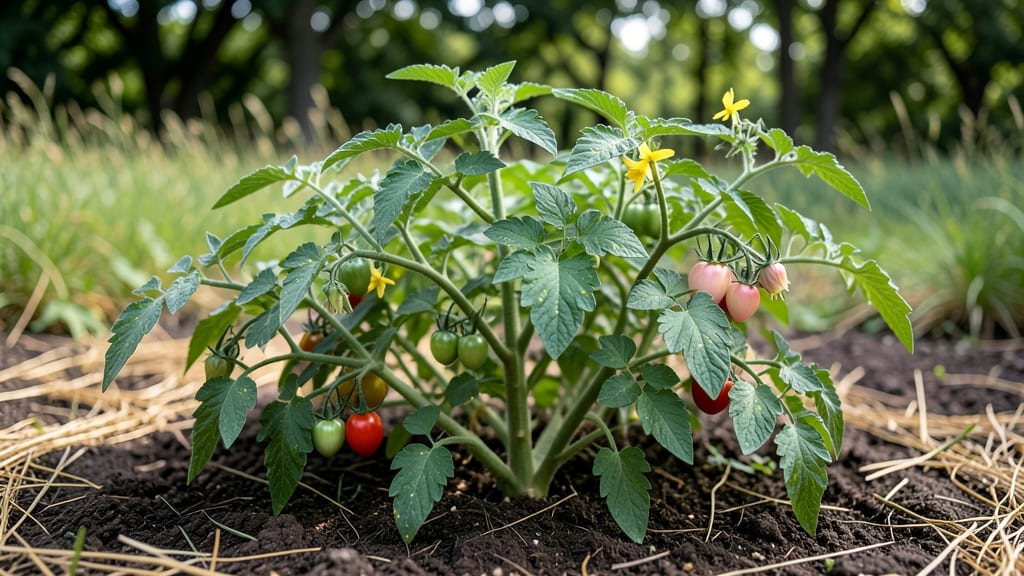
If you’ve ever wondered how tall does a cherry tomato plant grow, you’re not alone—this is one of the first questions new gardeners ask before planting. The answer isn’t one-size-fits-all, though.
Some varieties stay neatly contained under 2 feet, while others can climb to 10 feet or more if left unchecked. Knowing the difference between bush and vining types is the key to planning your garden layout and support system.
For home gardeners in USDA Zone 6a, where spring planting kicks off in April, choosing the right variety makes all the difference. Compact 🍅 cherry tomato plants like ‘Tiny Tim’ thrive in small spaces, while varieties like ‘Sweet 100’ need sturdy trellises to reach their full height.
Without proper support, even the smallest plants can sprawl, leading to wasted space and lower yields.
What you’ll discover here is how to match your garden’s space to your plant’s growth habits. We’ll break down the exact height ranges for common varieties, when to prune for better airflow, and how to use cages or stakes to keep your plants happy.
Whether you’re working with a balcony container or a backyard plot, these tips will help you maximize your harvest without sacrificing space.
The best part? With the right approach, you can turn even a 3-foot bush into a productive powerhouse—or tame a 10-foot vine into a neat, manageable column. Let’s get started on making your cherry tomato dreams a reality.


Cherry tomato plant height by variety: compact vs. vining types explained
When planning your garden layout, understanding cherry tomato plant height is crucial. The two main categories—determinate (bush) and indeterminate (vining)—dictate everything from spacing to support needs.
Determinate varieties grow to a fixed height, while indeterminate types keep growing until frost, often requiring trellises or stakes to reach their full potential.
For example, determinate cherry tomatoes like 'Tiny Tim' or 'Balcony Red' typically max out at 2-3 feet tall, making them perfect for container gardening or small spaces.
On the other hand, indeterminate varieties such as 'Sweet 100' or 'Super Sweet 100' can climb 6-10 feet tall if given proper support, producing fruit all season long.
Here’s the key difference: determinate plants produce fruit all at once, while indeterminate plants yield continuously. This means taller, vining types need more vertical space but reward you with a longer harvest window.
| Variety Type | Popular Varieties | Mature Height | Growth Habit | Best For |
|---|---|---|---|---|
| Determinate | Tiny Tim, Balcony Red, Patio Princess | 1-3 ft | Bushy, compact | Containers, small gardens, early harvests |
| Indeterminate | Sweet 100, Super Sweet 100, Sun Gold | 6-10+ ft | Vining, continuous growth | Trellises, large gardens, long harvests |
If you’re working with limited garden space, dwarf or semi-dwarf varieties like 'Micro Tom' (under 1 foot) are ideal. These cherry tomato plants for containers thrive in pots and don’t require staking, making them a low-maintenance choice for balconies or patios.
For maximum yield and vertical gardening, indeterminate types are the way to go. They’ll climb your trellis or cage and produce fruit until the first frost. Just be prepared to invest in sturdy support—6-foot stakes or A-frame trellises work well for most vining varieties.
Another factor influencing height is pruning and training. Indeterminate plants benefit from regular pruning to encourage upward growth and improve air circulation. Without pruning, these vines can sprawl uncontrollably, leading to disease risks and lower yields.
Pro tip: If you’re growing cherry tomatoes in containers, choose determinate varieties or dwarf indeterminate types like 'Tumbling Tom.' These stay manageable in 5-gallon pots and don’t require extensive support, saving you time and space.
For urban gardeners or small yards, consider espalier training. This technique involves pruning and tying vines to a flat surface (like a fence or wall), which keeps indeterminate plants under control while maximizing vertical space.
Remember, soil quality and sunlight also play a role in plant height. Well-draining soil rich in organic matter and 6-8 hours of full sun daily will help your cherry tomatoes reach their full potential, whether they’re compact bushes or towering vines.
Support needs for cherry tomato plants: trellising, caging, and pruning tips by height
Choosing the right support system for your cherry tomato plants depends entirely on their mature height and growth habit. A 2-foot bush variety like 'Tiny Tim' needs minimal support, while a 10-foot indeterminate vine like 'Sweet 100' requires a sturdy trellis or cage.
Without proper support, even compact varieties sprawl, leading to poor airflow and disease risks like blight or powdery mildew.
The key is matching your plant’s growth type to the right support method. Determinate (bush) varieties typically need cages or low stakes, while indeterminate (vining) types thrive on tall trellises or flimsy stakes.
Pruning also plays a critical role—especially for tall varieties—to encourage upward growth and maximize fruit production. Let’s break down the best support strategies for every height range.
🌱 Icon Grid: Support by Plant Height
For bush varieties (1-4 feet tall), a simple 5-foot tomato cage works wonders—it’s affordable and provides enough support without taking up extra space. Place the cage at planting time to avoid root disturbance later.
If you’re growing in containers, opt for a flimsy stake or a small cage (18-24 inches) to save room. The goal here is to keep the plant upright while allowing easy access for harvesting and pruning.
When dealing with indeterminate vines (6+ feet), a trellis or tomato tower is non-negotiable. These varieties grow continuously, producing fruit all season long, so they need vertical support to prevent sprawling.
Install a 6-foot trellis at planting and train the main stem upward, tying it loosely with soft plant ties every 1-2 feet. For extra sturdy support, consider a wooden or metal A-frame trellis, which can handle the weight of heavy fruit loads.
Pruning is another game-changer for tall varieties. Focus on removing suckers—those small shoots that grow in the joint between the stem and a branch. These compete with your fruit for energy, so pinch them off early in the season.
For indeterminate types, also prune lower leaves to improve airflow and reduce disease risk. Pro tip: Prune in the morning to allow wounds to heal before evening moisture sets in.
Don’t overlook the importance of harvest frequency when managing height. Regularly picking ripe cherry tomatoes encourages more production and prevents the plant from becoming top-heavy. If your vine is struggling to support its own weight, consider adding a second trellis or using a tomato clip to secure the main stem.
With the right support and a little pruning, even a 10-foot vine can thrive in a small garden!