
Plants
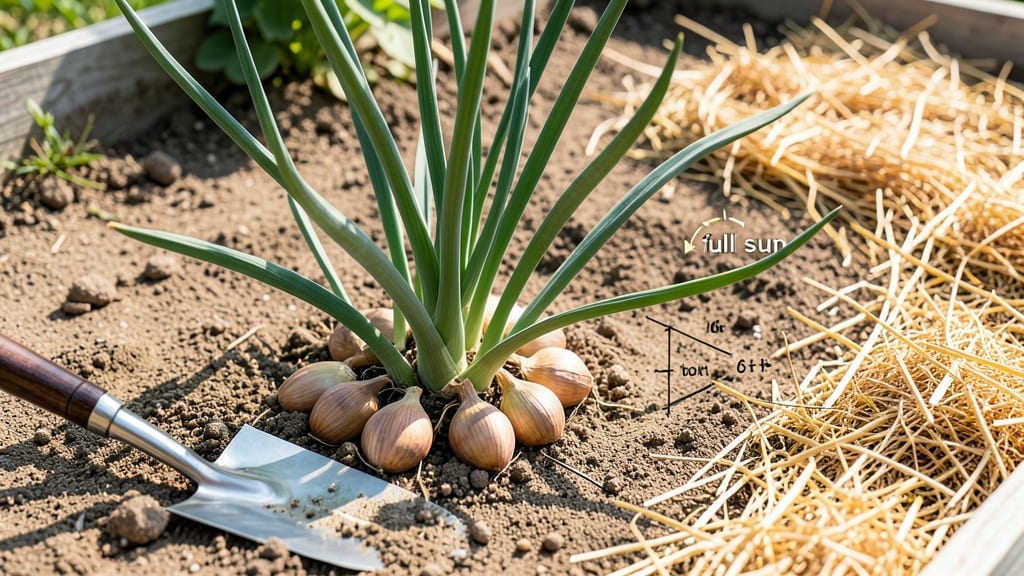
Timing your 🧄 garlic planting in North Carolina could mean the difference between a thriving crop and wasted effort—especially when you're aiming for hardneck varieties that need just the right chill to form those prized bulbs.
If you've ever wondered why some gardeners swear by fall planting while others stick to early spring, the answer lies in North Carolina's unique climate zones 6b-8a and how they interact with frost patterns.
The ideal window stretches from October through November, but getting it wrong could leave your garlic struggling or even failing to mature properly.
I'll walk you through the exact timing you need, including how to adjust for your specific region—whether you're in the mountains or coastal plains—and which varieties perform best under North Carolina's conditions. Let's get those cloves in the ground at the perfect moment.
You'll discover how to read your local frost dates, prepare your soil for maximum success, and even troubleshoot common timing mistakes that could ruin your harvest before it begins. Ready to plant with confidence?
Optimal fall planting dates for garlic in North Carolina’s climate zones
North Carolina’s diverse climate—spanning from the Coastal Plain to the Mountains—means garlic planting times vary by USDA zone. Most gardeners in Zones 7a-8a should plant garlic in late fall (October-November) for a spring harvest.
The key is planting 4-6 weeks before the ground freezes, ensuring bulbs establish roots before winter dormancy.
For Zone 7a (western NC mountains), aim for mid-October planting, while Zone 8a (eastern NC coast) can wait until early November. Soil temperatures should drop to 40-50°F—garlic needs cold exposure to form bulbs. Use a soil thermometer to track temps if unsure.
Missed the fall window? You can plant garlic in early spring (February), but yields will be smaller and bulbs may lack the bold flavor of fall-planted garlic. Spring planting is best for softneck varieties, which store longer but aren’t ideal for NC’s climate.
Here’s a quick reference for fall planting by region:
| Region | USDA Zone | Ideal Planting Window | Soil Temp Goal | Notes |
|---|---|---|---|---|
| Mountains (Asheville) | 7a | Mid-October | 40-50°F | Earlier frost—plant sooner. |
| Piedmont (Raleigh) | 7b | Late October | 40-50°F | Moderate frost risk. |
| Coastal Plain (Wilmington) | 8a | Early November | 45-55°F | Later frost—plant later. |
Pro tip: Use hardneck varieties like Rocambole or Silverskin for NC’s climate—they handle cold better and produce larger bulbs. Break apart garlic heads into individual cloves, plant the pointy end up, and cover with 2-3 inches of mulch to insulate roots.
If you’re in Zone 8a and experience unusually warm falls, delay planting until soil temps drop below 60°F. Warm soil can cause cloves to sprout too early, weakening winter survival. A light frost after planting actually helps harden bulbs for storage.
For container gardening, plant garlic in deep pots (12+ inches) with well-draining soil. Containers warm up faster, so monitor soil temps closely and plant 2 weeks earlier than in-ground garlic. Use a thermometer to avoid overheating.
Remember: Garlic planted in fall takes 9-10 months to mature, while spring-planted garlic matures in 6-7 months. Fall planting is the gold standard for flavor and bulb size in NC’s climate. Start planning now—your summer harvest depends on it!
Optimal fall planting dates for garlic in North Carolina’s climate zones
North Carolina’s diverse climate—from the Coastal Plain to the Mountains—means garlic planting times vary by USDA zone. For hardneck varieties like Rocambole, aim to plant 4-6 weeks before the ground freezes, typically between mid-October and early November.
In Zone 7a (western NC), this could be as early as late September, while Zone 8a (Coastal Plain) may wait until November.
Soil temperature is critical: garlic cloves need 40-50°F soil temps to sprout. Use a soil thermometer to confirm readiness—planting too early in warm soil can trigger premature sprouting.
In eastern NC, where winters are milder, December planting still works if followed by consistent cold (below 40°F for 6-8 weeks).
| USDA Zone | Ideal Planting Window | Soil Temp Goal | Key Microclimate Note |
|---|---|---|---|
| 7a (Mountains) | Late September–October 15 | 40–50°F | Colder winters; plant earlier |
| 7b (Piedmont) | October 1–November 1 | 45–50°F | Moderate winters; avoid late frosts |
| 8a (Coastal Plain) | November 1–15 | 50–55°F | Warmer winters; plant later |
Missed the fall window? Early spring planting (February) is a backup, but yields are 20–30% smaller than fall-planted garlic. For spring planting, use softneck varieties like Silverskin, which tolerate warmer soil better. Hardneck garlic planted in spring often bolts (goes to seed) due to heat stress.
Pro tip: Test your soil’s cold tolerance by burying a thermometer for 24 hours. If temps stay above 40°F for weeks, delay planting until conditions stabilize. Mulch heavily (4–6 inches of straw) after planting to insulate bulbs and prevent heaving during freeze-thaw cycles.
In western NC’s higher elevations, early frosts can arrive by October 15, so plant Rocambole or German Red by mid-September. Meanwhile, eastern NC gardeners often wait until November 1 to avoid hurricane-season soil saturation.
Adjust for your local last frost date—aim for 6–8 weeks of cold before harvest.
Remember: Garlic needs vernalization (a cold period) to form bulbs. Planting too late—even if soil is cold—can result in small, pungent cloves or no harvest at all. Use your local Cooperative Extension Service frost data as a guide, and always plant organic, untreated cloves for best results. 🌱