
Plants
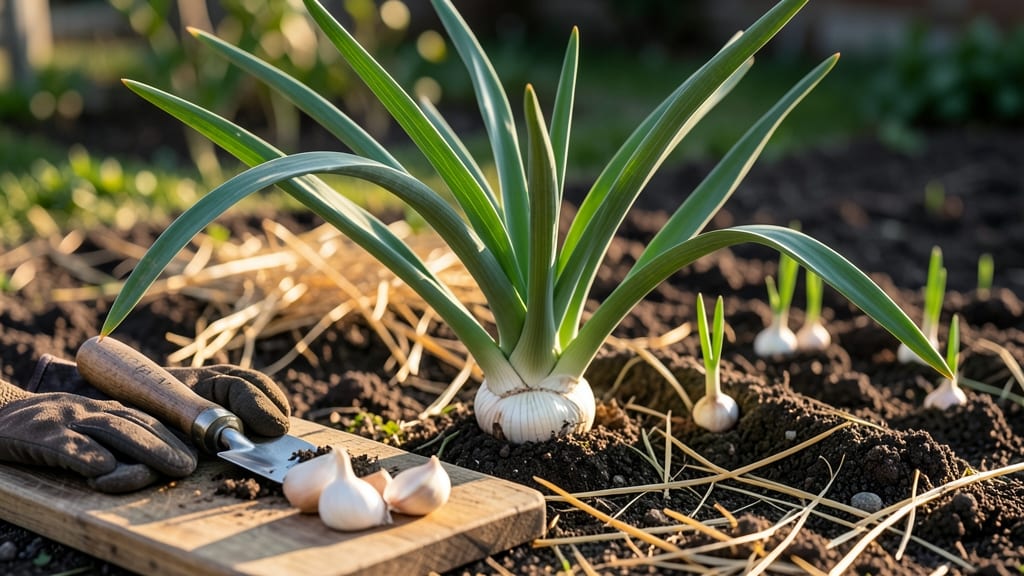
If you’ve ever wondered when to plant garlic in Georgia, timing is everything—especially in zones 7b-8b where mild winters can trick even seasoned gardeners. Plant too early, and your 🧄 might bolt before forming bulbs; too late, and it’ll struggle to mature before summer heat arrives.
Georgia’s fall window (October–November) is your best bet for hardneck and softneck varieties, but the exact deadline depends on your region’s frost risk.
Whether you’re in North Georgia’s cooler microclimates or the warmer South, knowing when to tuck those cloves into the soil sets the stage for a bumper harvest by late spring.
I’ll break down the critical deadlines by zone, soil prep secrets, and how to adjust for Georgia’s quirky weather—so you can avoid common mistakes like planting too close to frost or ignoring soil moisture. Let’s get those cloves in the ground at the perfect moment!
By the end, you’ll know exactly how to time your planting for zero-frost survival and bulbs that rival the farmers’ market. Ready to grow garlic like a pro?
Georgia’s ideal garlic planting window: fall deadlines by region
Timing your garlic planting in Georgia depends heavily on your USDA Zone and local frost dates. Since Georgia spans Zones 7b-8b, your fall planting window varies by region—North Georgia’s cooler climate allows earlier planting, while South Georgia’s milder winters push deadlines later.
Aim to plant 4-6 weeks before the ground freezes for optimal bulb development.
For most of Georgia, this means planting between mid-October and early November. However, gardeners in Zone 7b (North Georgia) should start as early as mid-September, while those in Zone 8b (South Georgia) can plant until late November.
Hardneck varieties thrive in cooler zones, while softneck garlic handles Georgia’s warmer winters better.
Soil temperature is your best guide—plant when soil temps drop to 50-60°F at a 4-inch depth. Use a soil thermometer to confirm readiness, especially in elevated areas like the Blue Ridge Mountains, where frost arrives earlier.
🌱
If you miss the fall window, spring planting is possible but yields are smaller. Plant in late winter (February) when soil temps reach 50°F, but expect bulbs to mature 20-30% smaller than fall-planted garlic. Spring garlic is best for green garlic or scape harvests rather than full bulbs.
For urban gardeners, microclimates matter—planting near concrete or pavement can delay frost by 1-2 weeks, while wooded areas may freeze earlier. Adjust your timeline by observing nearby gardens or checking local frost alerts from the National Weather Service.
Pro tip: Use straw mulch (4-6 inches) after planting to insulate bulbs from temperature swings. This extends your planting window by 2-3 weeks in marginal zones like Zone 7b.
🌿
Test your soil’s readiness by pushing a garlic clove into the ground—if it stays upright without wobbling, the soil is firm enough. If it sinks easily, wait 1-2 weeks for better drainage and stability.
Overly wet soil leads to rot and poor germination, a common issue in Georgia’s clay-heavy soils.
Remember: Hardneck garlic needs cold vernalization (40-50°F for 6-8 weeks) to form bulbs, while softneck varieties are more forgiving. If you’re in Zone 8b, prioritize softnecks like 'California Early' for reliable harvests.
✂️
Georgia’s ideal garlic planting window: fall deadlines by region
Georgia’s fall planting window for garlic spans October through November, but the exact timing depends on your region’s USDA Zone (7b-8b) and average frost dates.
In North Georgia’s cooler Zone 7b, where frosts arrive earlier, aim to plant by mid-October—this gives bulbs time to establish roots before winter. Meanwhile, Central and South Georgia gardeners in Zone 8a/8b can push planting until early November, thanks to milder winters.
The key is planting 4-6 weeks before the ground freezes. For most of Georgia, this means soil temps should hover around 60°F (15°C)—ideal for root growth before dormancy.
Hardneck varieties, like 'Music' or 'German White', thrive in cooler zones, while softneck types such as 'Silverskin' or 'Artichoke' handle Georgia’s warmth better. Choose wisely based on your microclimate!
| Region | USDA Zone | Ideal Planting Window | Last Chance Deadline | Best Varieties |
|---|---|---|---|---|
| North Georgia (e.g., Blue Ridge) | 7b | Mid-September to mid-October | October 15 | Hardneck (Music, German White) |
| Central Georgia (e.g., Athens, Macon) | 8a | Late September to early November | November 1 | Softneck (Silverskin, Artichoke) |
| South Georgia (e.g., Savannah, Valdosta) | 8b | October to early November | November 10 | Softneck (Creole, California Early) |
Soil temperature is your best indicator for planting. Use a soil thermometer to confirm temps are below 70°F (21°C) but above 50°F (10°C)
In Georgia, soil temps drop below 60°F (15°C) by early October in most areas, signaling it’s time to plant. Pro tip: Test your soil’s moisture too—garlic roots need consistent dampness but hate soggy conditions. If you miss the fall window, spring planting is possible but risky in Georgia’s heat. Plant in January–February for a summer harvest, but expect smaller bulbs due to shorter daylight. For best results, stick to fall—it’s the gold standard for Georgia garlic growers. The reward? Plump, flavorful bulbs ready by late April–June, just in time for your favorite recipes! Don’t overlook local frost data. Check your Almanac’s Frost Calendar or use tools like the National Weather Service to track frost dates in your county. In Zone 7b, first frosts often hit by mid-November, while Zone 8b may see light frosts as late as December. Adjust your timeline accordingly to avoid frost damage to young plants. For extra insurance, plant hardneck varieties in North Georgia—they handle colder winters better. In warmer zones, softnecks like 'California Early' store longer and resist heat stress. Whichever you choose, mulch heavily after planting (straw or leaves work well) to insulate bulbs and lock in moisture through winter. With the right timing, your garlic will thrive—no frost required!