
Plants
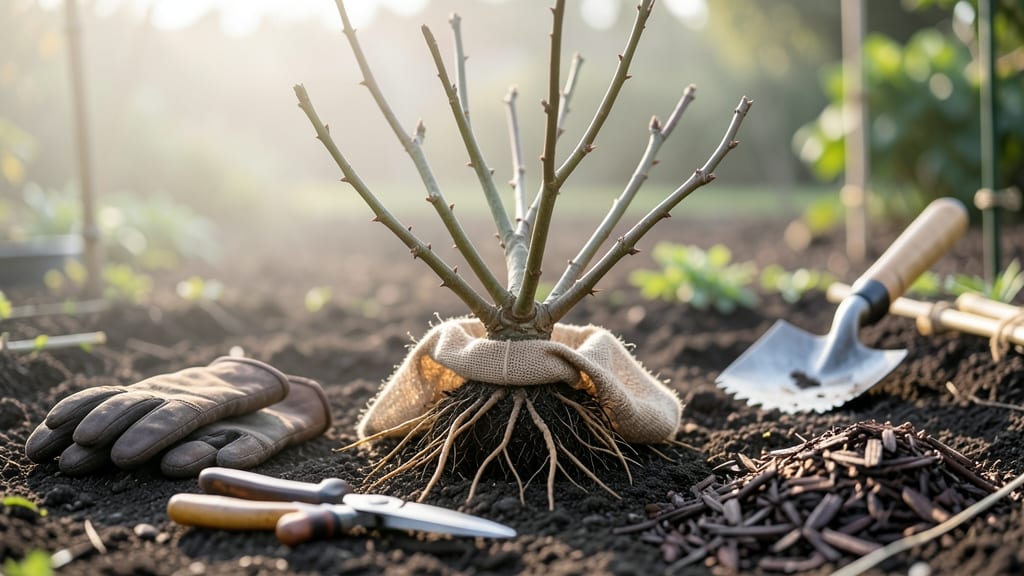
Timing is everything when it comes to planting bare root roses in Zone 9—get it wrong, and your 🌹 may struggle to take root before summer’s relentless heat.
The key window isn’t just about avoiding frost (which is rare here) but about tapping into the cooler, damp months when roots can establish without stress.
Most gardeners in Zone 9 swear by late fall to early spring, but there’s more to it than just the calendar. Soil temperatures, moisture levels, and even your local microclimate play a huge role in whether your roses will thrive or wither.
Let’s break down the exact timing and strategies to give your roses the best possible start.
Why does this matter? Because roses planted at the wrong time often suffer from transplant shock, weak growth, or even death in Zone 9’s intense summer heat. I’ve seen it happen—and I’ve also seen the dramatic difference when timing is perfect.
The secret lies in understanding your climate’s quirks and preparing your soil just right.
In this guide, I’ll walk you through the ideal planting windows, soil prep tips tailored for Zone 9, and common mistakes to avoid. Whether you’re a first-time gardener or a seasoned pro, these insights will help your roses grow strong and beautiful from day one.
Ideal planting windows for bare root roses in Zone 9: month-by-month breakdown
Zone 9’s mild winters and hot summers create a unique challenge for planting bare root roses. Unlike colder zones, you won’t face frost damage, but summer heat can stress newly planted roses if they don’t establish roots quickly.
The optimal window is during the cool, damp months when soil temperatures stay mild and evaporation is low.
For Zone 9b (most of Southern California, Arizona’s low deserts, and Florida’s panhandle), the sweet spot is from late November through early March. This aligns with natural rainfall patterns and keeps daytime temps between 60°F–75°F, perfect for root development.
Planting outside this window risks transplant shock or stunted growth.
Here’s how to break it down by month to maximize success:
If you miss the November–February window, consider container planting to control soil moisture and temperature. Containers warm up faster in spring, so use self-watering pots and shade cloth until roots establish. For Zone 9a (cooler microclimates like higher elevations), extend the window into early April.
Pro tip: Check your local USDA Zone 9b microclimate. Coastal areas (e.g., San Diego) stay milder longer, while inland deserts (e.g., Phoenix) may need to plant by January to avoid spring heat. Always soak bare roots for 4–6 hours before planting to reduce shock.
Avoid planting in summer or late spring—roses planted in April or later often suffer from transplant shock and struggle to bloom the first year. The key is
Ideal planting windows for bare root roses in Zone 9: month-by-month breakdown
Zone 9’s mild winters and scorching summers create a unique challenge for bare root rose planting. Unlike colder zones, frost isn’t your main concern—heat stress is. The ideal window spans from late November to early March, when soil temps stay cool and moisture levels are consistent.
This period gives roots 10-12 weeks to establish before summer’s intensity kicks in.
Let’s break down the month-by-month timing, including soil temp targets and microclimate considerations for Southern California, Arizona, and Florida’s panhandle. Each month offers distinct advantages—and risks—so choosing the right time can mean the difference between thriving roses and struggling transplants.
| Month | Soil Temp | Planting Window | Pros | Cons |
|---|---|---|---|---|
| Late November | 55–65°F | Best for root establishment | Cool temps, minimal pests, ample rain | Limited nursery stock |
| December | 50–60°F | Safe in most of Zone 9 | Low evaporation, ideal moisture | Holiday shipping delays |
| January | 55–65°F | Peak root growth window | Balanced temps, fewer weeds | High desert areas may freeze |
| February | 60–70°F | Last chance before heat | Longer daylight for recovery | Rising soil temps slow roots |
| March | 65–75°F | Risky—only for early bloomers | Wider variety available | Heat stress likely |
For Southern California, aim for November–January—the coastal areas stay mild, while inland zones like Riverside should plant by mid-December to avoid heat spikes. In Arizona’s low deserts, late November to early February is critical, as March can bring sudden warmth.
Florida’s panhandle mirrors coastal CA, but watch for unpredictable cold snaps in January.
Pro tip: Check your local USDA Zone 9b frost data—even a few degrees can shift your ideal window. For example, Palm Springs may handle February planting, while Tucson’s high desert should stop by January. Always soak bare roots overnight before planting to reduce shock in these variable conditions.
Timing isn’t just about the calendar—it’s about soil readiness. Test your soil’s moisture level before planting; if it’s dry, hold off until rains return. The goal is to give your roses 6–8 weeks of cool, damp conditions to knit roots before summer’s heat arrives.