
Plants
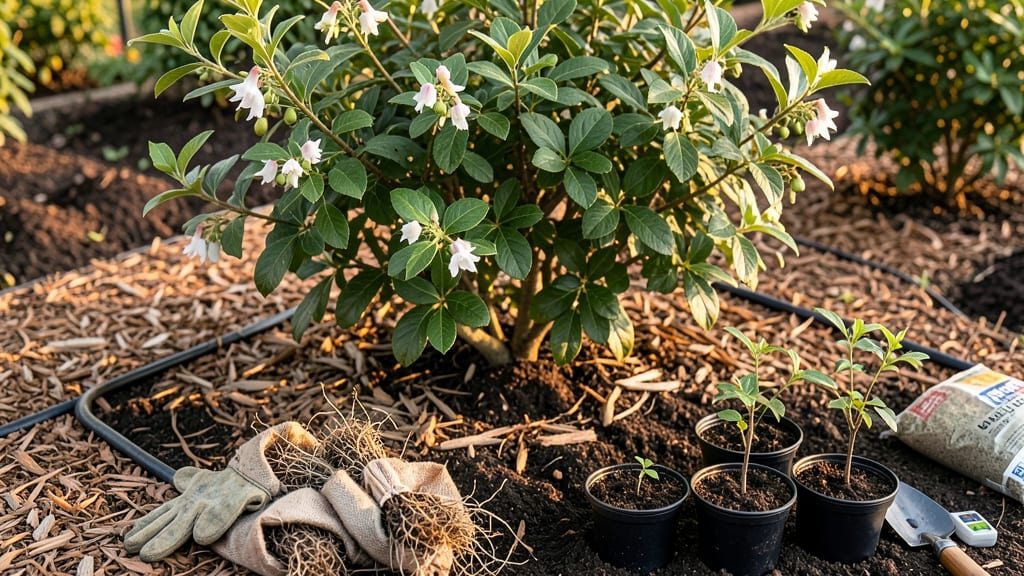
Planting blueberries in Southern California might seem tricky with the heat, but getting the timing right makes all the difference. The best window to plant—between November and March—lets your 🫐 bushes establish roots before summer’s scorching sun.
Skip this timing, and you risk struggling with heat stress or poor yields.
Why does this matter? Unlike cooler climates, Southern California’s 9b-11 zones demand heat-resistant varieties and careful planning. Coastal areas (like 10a) have slightly more leeway, but inland spots need extra attention to avoid wilting. I’ll break down the exact months that work, plus the top varieties that thrive here.
You’ll also discover how to prep your soil for acid-loving blueberries and avoid common mistakes that kill bushes in our dry heat. Whether you’re a first-timer or a seasoned gardener, these steps will set you up for a bountiful harvest—May through August—without the guesswork.
Let’s dive into the exact schedule, soil secrets, and heat-beating tips that’ll have your blueberries flourishing year after year. Your garden’s about to get a whole lot sweeter!
Best months to plant blueberries in Southern California’s climate zones
Southern California’s diverse microclimates—from coastal USDA Zone 10a to inland Zone 9b—mean your planting window can shift by weeks. The ideal time to plant blueberries is during the cool, wet months when soil temps stay below 70°F and rainfall is more reliable.
For most regions, this means November through March, but coastal areas can sometimes extend planting into early April.
Inland valleys like San Bernardino or High Desert face higher heat stress in summer, so planting in late fall or winter gives roots time to establish before the heat peaks.
Coastal zones like Malibu or San Diego have milder winters, but even there, avoid summer planting—blueberries hate 90°F+ soil temps, which can kill young roots within days.
🌱
| Climate Zone | Best Planting Months | Soil Temp Goal | Key Consideration |
|---|---|---|---|
| Coastal (Zone 10a) | November–March | 55–65°F | Mild winters; extend to early April if no frost risk. |
| Inland Valleys (Zone 9b) | November–January | 50–60°F | Higher heat risk; plant early to avoid summer stress. |
| High Desert (Zone 8b) | October–December | 45–55°F | Cold snaps possible; use mulch to protect roots. |
| Containers (Any Zone) | November–March | 55–65°F | Flexible timing; move pots to shade in summer. |
For bare-root plants, aim to plant when the ground isn’t frozen (rare in SoCal, but possible in High Desert). Soak roots for 2–3 hours before planting to reduce transplant shock.
If you’re using container-grown blueberries, you’ve got slightly more flexibility—just avoid planting when daytime temps exceed 80°F.
One critical mistake I see in Southern California is planting too late. If you wait until April or May, your blueberries will struggle with heat stress and may never recover.
Instead, mark your calendar for November 1st—that’s your last safe window for most regions. Coastal gardeners can push it to mid-March, but inland growers should stop by January.
🌡️
If you’re in a transition zone (like Orange County or Ventura), check the 10-day forecast for overnight lows. Blueberries need cool nights to set buds properly. If temps dip below 40°F, protect young plants with row covers or burlap wraps.
And yes, even Southern California can get unexpected frost—especially in inland valleys.
Pro tip: Plant dwarf varieties (like 'Top Hat') if you’re in a small space or container garden. They establish faster and handle heat slightly better than standard bushes. Pair them with self-pollinating varieties (like 'Duke') to simplify your garden and boost fruit production.
🪴
Finally, don’t forget to amend your soil before planting. Southern California’s native soil is often alkaline and sandy, which is a disaster for blueberries. Work in peat moss or sulfur to lower the pH to 4.5–5.5, and mix in compost for organic matter.
Your blueberries will thank you with juicier berries and healthier growth.
Best months to plant blueberries in Southern California’s climate zones
Southern California’s microclimates create big differences in blueberry planting success. Coastal areas like San Diego (Zone 10a) have milder winters, while inland spots like Riverside (Zone 9b) face hotter summers. The ideal window for planting is November through March, when soil temps stay cool and rain provides natural moisture.
This timing lets your bushes establish roots before summer’s heat stress kicks in.
Why this matters: Planting outside this window risks heat shock or drought stress. For example, April plantings in inland zones may struggle with 100°F+ soil temps, while coastal areas can stretch plantings into early April with extra shade and water.
Let’s break down the exact schedule for your specific zone.
| Zone | Best Planting Months | Soil Temp | Key Consideration |
|---|---|---|---|
| Coastal (10a) | Nov - Early April | 55-65°F | Milder winters; can plant later with shade cloth |
| Inland (9b) | Nov - Mid-March | 50-60°F | Hotter summers; prioritize early planting |
| Desert (11) | Nov - Jan | 45-55°F | Extreme heat; use containers with shade |
For bare-root plants, aim to plant within 2-4 weeks of dormancy (typically November-December). Container-grown bushes offer more flexibility—plant them anytime in your zone’s window, but avoid peak summer when roots can’t cool down. Pro tip: Soak bare-root plants for 2-3 hours before planting to rehydrate roots.
Unexpected cold snaps (like the 2021 Arctic blast) can damage young plants, but established bushes usually bounce back. If frost is forecasted, cover new plantings with frost cloth or move potted bushes to a sheltered spot.
Coastal areas rarely see frost, but inland valleys like San Bernardino may experience 28°F temps—plan accordingly.
Container planting is your best bet for hotter inland zones. Use 5-gallon pots with acidic potting mix and place them in partial shade during summer. This gives you control over soil moisture and temperature. Just remember: containers dry out faster, so check soil moisture daily during heatwaves.
Timing isn’t just about months—it’s about soil conditions. Test your soil’s pH before planting; blueberries need 4.5-5.5. If your soil is too alkaline (common in SoCal), amend it with sulfur or peat moss 2-3 months before planting.
This gives the pH time to adjust naturally before your bushes arrive.