
Plants
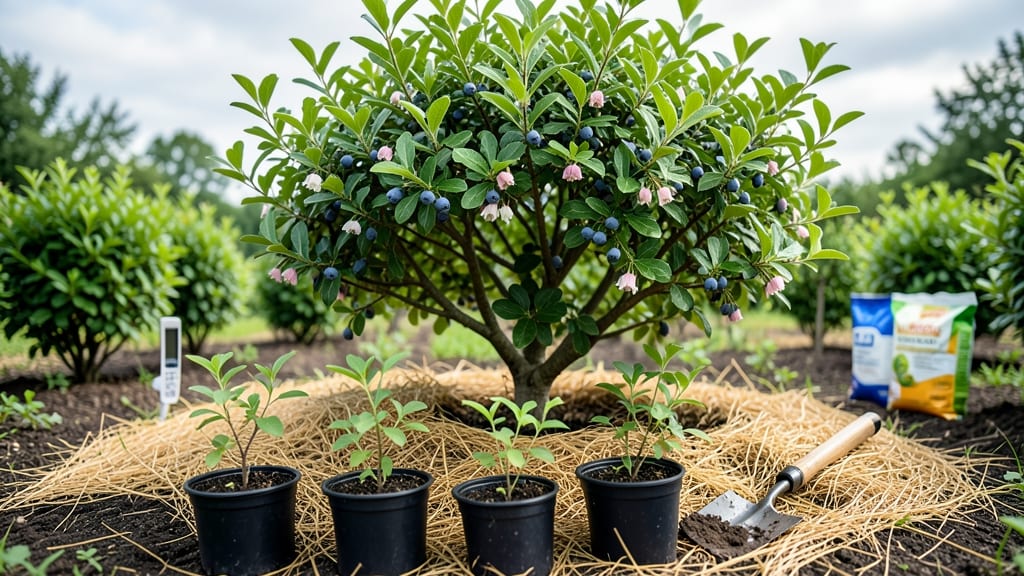
Planting a blueberry bush 🫐 in Mississippi might seem tricky with its warm climate, but timing is the key to success. The best window to plant these berry producers is between October and March, when cooler temperatures help roots establish before summer heat arrives.
Mississippi’s USDA Zones 8a-9a mean you’ll need heat-tolerant varieties that can handle mild winters and long summers. Planting in late fall or early spring gives your bushes time to root deeply before facing the state’s intense heat, ensuring they thrive rather than wilt.
Whether you’re a first-time gardener or a seasoned pro, getting the timing right makes all the difference. I’ll walk you through the exact months to plant, the best varieties for your region, and how to prepare your soil for maximum success.
Skip the guesswork—learn the proven strategy for planting blueberries in Mississippi so you can enjoy a bountiful harvest from June to July. Let’s get your garden ready for those sweet, juicy berries!
Mississippi blueberry planting timeline: best months by chill-hour requirements
Mississippi’s USDA Zones 8a-9a create a unique challenge for blueberry growers—the state’s mild winters mean fewer chill hours than Northern regions, but hot summers demand heat-tolerant varieties. The key? Planting during cooler months when soil temps stay below 70°F and roots can establish without stress.
Most Mississippi gardeners succeed by planting in late fall (October-November) or early spring (February-March). Fall planting gives roots time to settle before summer heat, while spring planting avoids winter dormancy risks.
Your chill-hour requirements (typically 200-400 hours for Southern varieties) determine which window works best for your specific blueberry type.
Here’s how Mississippi’s microclimates affect timing: Northern counties (like Tunica) with cooler winters can plant as late as mid-November, while Southern areas (like Gulf Coast) must plant by early October to avoid summer heat stress.
Always check your last frost date (usually mid-March) to time spring plantings.
Soil temperature is your best guide: Aim for 50-60°F soil temps when planting. Use a soil thermometer to verify—cooler temps reduce transplant shock. If planting in fall, do it 6-8 weeks before first frost (typically mid-November) to allow root establishment.
Mississippi’s humidity and heat also demand careful timing. Avoid planting in summer (June-August) when temps exceed 90°F—transplants will wilting within days. Even early spring plantings should wait until soil warms slightly (55°F+) to prevent root rot from cold, soggy soil.
| Planting Window | Best For | Soil Temp | Chill Hours Needed | Mississippi Regions |
|---|---|---|---|---|
| Late Fall (Oct-Nov) | Root establishment before winter | 50-60°F | 200-400 hrs | North (Tunica, Oxford) |
| Early Spring (Feb-Mar) | Active growth before heat | 55-65°F | 300-500 hrs | South (Gulf Coast) |
| Avoid Summer (Jun-Aug) | Transplant shock risk | >90°F | N/A | All regions |
For fall planting, focus on Northern Mississippi where winters are slightly cooler. Varieties like ‘Climax’ (300 chill hours) thrive here. In Southern Mississippi, opt for ‘Peach Sorbet’ (250 chill hours) and plant by October 15th to avoid summer stress.
Always mulch heavily (3-4 inches) after planting to retain moisture and regulate soil temps.
If you miss the fall window, early spring (February-March) is your next best bet. Wait until soil temps rise above 55°F—typically after last frost (mid-March). This gives roots time to warm up before active growth begins.
For container gardening, spring planting offers more control over soil conditions and reduces heat stress risks.
Mississippi’s extended growing season (210 frost-free days) means blueberries can produce year-round with proper care. However, heat waves (>100°F) in late spring can reduce fruit set. Choose heat-tolerant varieties and provide afternoon shade during peak summer months to protect delicate flowers and young berries.
Pro tip: Use a shade cloth (30-50%) during June-July to protect established bushes from sunburn. This simple step can double your yield in Mississippi’s intense summer heat. Pair this with drip irrigation to keep roots consistently moist without wetting foliage—critical for fungal disease prevention.
Remember, patience is key. Blueberries planted in Mississippi may take 2-3 years to bear fruit, but with the right timing and variety, you’ll enjoy homegrown berries from June to August.
Start with 1-2 bushes to test your microclimate before expanding—this helps refine your planting schedule for future seasons.
Mississippi blueberry planting timeline: best months by chill-hour requirements
Mississippi’s USDA Zones 8a-9a offer a unique challenge for blueberry growers—balancing heat tolerance with chill-hour needs. Most blueberries require 300-900 chill hours (temps below 45°F) to produce fruit, but Mississippi’s mild winters mean you’ll need low-chill varieties or strategic planting timing.
The best window is late fall (October-November) or early spring (February-March), when soil temps are cool but frost isn’t imminent.
For Southern Mississippi (Zone 9a), focus on fall planting (October) to let roots establish before summer heat hits. In Northern Mississippi (Zone 8a), early spring (March) works best—after the last frost but before soil overheats.
Avoid planting in summer or late spring, when high temps stress young roots and increase transplant shock.
To check your local chill hours, use the Mississippi State University Extension chill-hour calculator or track temps with a home weather station. For example, Jackson (Zone 8a) averages 500-600 chill hours, while Biloxi (Zone 9a) may only hit 300-400 hours.
Match your variety to these numbers—‘Peach Sorbet’ (300 hours) thrives in Biloxi, while ‘Climax’ (700 hours) works better in Tupelo.
Soil temperature is just as critical as air temps. Use a soil thermometer to confirm 50-60°F soil temps before planting. If temps rise above 70°F, roots can’t absorb water, leading to transplant shock.
In Southern Mississippi, this often means waiting until late October or early November—after the first light frost signals cooler soil.
For container growing (ideal for urban Mississippi gardens), plant in late winter (February) to avoid summer heat stress. Containers dry out faster, so use well-draining, acidic potting mix and water daily during the first 4 weeks.
Place pots in partial shade during peak summer (June-August) to protect roots from overheating.
Pro tip: Mulch heavily (3-4 inches of pine straw) after planting to insulate roots and retain moisture. In Zone 9a, mulch also helps simulate chill hours by keeping soil temps cooler.
Reapply mulch in early spring to protect roots as temps rise—this is especially critical in April-May, when Mississippi’s heat spikes can stress young plants.