
Companion Plants
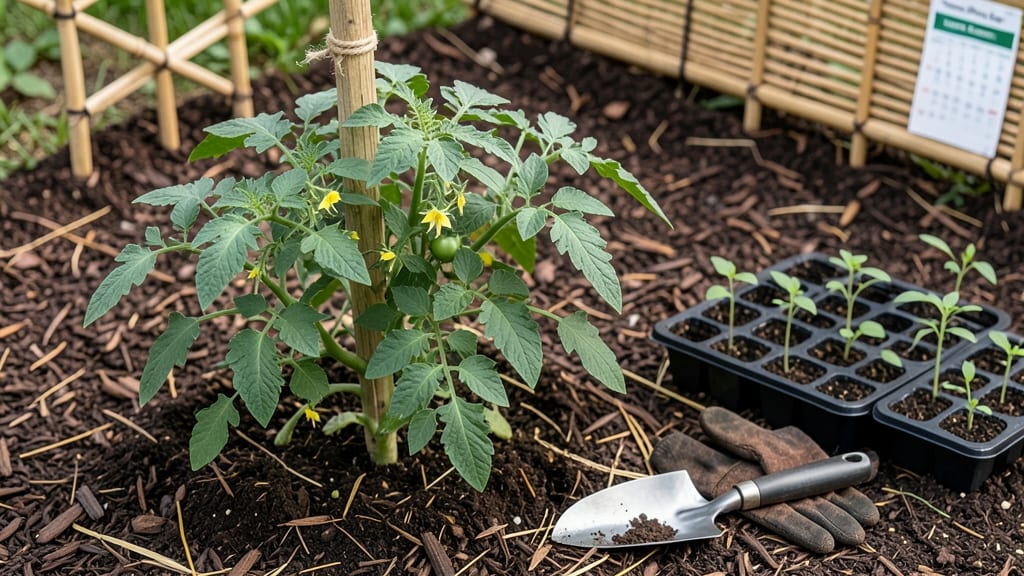
Timing is everything when it comes to growing 🍅 tomatoes in Pennsylvania—plant them too early, and frost will nip your dreams before they sprout. But get the schedule right, and you'll be feasting on homegrown fruit from June through October.
The key lies in understanding your specific USDA zone (5a-7b) and local frost dates, which can shift your planting window from mid-April to early June.
Most Pennsylvania gardeners wait until after the last frost date—typically around April 15—to plant tomatoes outdoors, but there's more to it than just the calendar. Soil temperature matters just as much: aim for at least 60°F before sticking seeds or seedlings in the ground.
Cold soil slows germination and weakens young plants, setting them up for failure before they even start.
Here's where things get interesting: starting seeds indoors 6-8 weeks before your last frost date gives you a head start, especially for heat-loving varieties. This strategy lets you transplant stronger, more established plants once temperatures stabilize.
But even with early starts, rushing the process can backfire—you'll learn why patience pays off in our zone-specific planting guide.
Whether you're a first-time gardener or a seasoned pro, mastering these timing details transforms your tomato harvest from hit-or-miss to consistently abundant. Let's break down exactly when to plant in your corner of Pennsylvania for maximum yield—and how to extend your growing season if you're eager to try earlier varieties.
Best planting dates for tomatoes in Pennsylvania by hardiness Zone
Pennsylvania’s diverse climate—spanning USDA Zones 5a-7b—means tomato planting dates vary by region. In Zone 5a (northwest PA), like Erie, wait until May 15 after the last frost, while Zone 7b (southwest PA), like Pittsburgh, can start as early as April 15.
Soil temperature is the real game-changer: tomatoes need at least 60°F (15°C) to thrive.
For cool-season varieties like 'Stupice' or 'Mountain Merit', you can plant slightly earlier (April 15-May 1), but heat-lovers like 'Celebrity' or 'Better Boy' prefer May 15-June 1. Check your local last frost date (typically April 15 in most of PA) and add 2-4 weeks for safety.
Here’s how to use this guide: Find your zone, note the ideal transplant window, and adjust based on your microclimate. Urban areas may warm faster than rural spots, so use a soil thermometer to confirm readiness.
Pro Tip: If your soil is slow to warm, use black plastic mulch to raise temperatures by 5-10°F in just days. This lets you plant 1-2 weeks earlier without risking frost damage.
| Zone | Last Frost Date | Ideal Transplant Window | Soil Temp Requirement | Notes |
|---|---|---|---|---|
| 5a (Erie, State College) | May 1 | May 15–June 1 | 60°F+ | Use row covers for early starts |
| 6a (Philadelphia, Harrisburg) | April 20 | April 25–May 15 | 60°F+ | Best for early varieties |
| 7a (Pittsburgh, Reading) | April 15 | April 15–May 10 | 60°F+ | Longer growing season |
| 7b (Lancaster, Allentown) | April 10 | April 10–May 5 | 60°F+ | Try succession planting |
If you’re starting seeds indoors, begin 6-8 weeks before your last frost date. For Zone 5a, that’s mid-March, while Zone 7b can start as late as early April. Use grow lights for 12+ hours/day to prevent leggy seedlings.
For direct-sown tomatoes, wait until soil is at least 60°F—even if air temps are higher. Cold soil stunts root growth and delays fruiting. Test with a soil thermometer or press your hand into the ground: if it feels warm but not hot, it’s ready.
In southern PA (Zone 7b), you can squeeze in a second planting of fast-maturing varieties like 'Early Girl' around June 15. These will produce fruit before the first frost (October 15). Just be ready to harvest aggressively in September.
Remember: Tomatoes hate cold feet. Even if daytime temps are warm, nighttime dips below 50°F (10°C) can shock plants. Use row covers or cold frames to protect young seedlings until they’re established.
🌱
How to extend your tomato growing season in PA (cold frames, row covers, and starter tips)
Pennsylvania’s short growing season can feel like a race against time for tomato lovers. But with the right strategies, you can push your planting window earlier by 2-4 weeks or extend harvests into fall. I’ve tested these methods in my own garden—here’s what works best for PA’s climate.
Starting seeds indoors 6-8 weeks before your last frost date (typically mid-April) gives you a head start. Use grow lights to provide 12-14 hours of light daily, and keep seedlings in 65-75°F soil for optimal growth. This method lets you transplant earlier than store-bought seedlings.
- 📅 Start seeds indoors 6-8 weeks before last frost (use grow lights for 12+ hours/day).
- 🌡️ Use black plastic mulch to warm soil 2-4°F faster than bare ground.
- 🛡️ Cover seedlings with floating row covers until nighttime temps stay above 50°F.
- 🏠 Build a low tunnel or cold frame to protect plants from late frosts (extends season by 3-4 weeks).
- 🌿 Plant cold-tolerant varieties like 'Stupice' or 'Mountain Merit' 2 weeks earlier than standard tomatoes.
For late-season extensions, I swear by floating row covers (like Agribon) to protect plants from light frosts down to 28°F. These lightweight fabrics trap heat during the day and insulate at night—perfect for fall harvests in September-October. Just remove them during daytime to prevent overheating.
Another game-changer? Black plastic mulch raises soil temperatures by 5-10°F, letting you plant 1-2 weeks earlier than traditional methods. Pair it with drip irrigation to keep roots cool during heatwaves—a must in PA’s unpredictable summers.
Don’t overlook container gardening for late-season tomatoes. Move pots near a south-facing wall or under a cloche to capture extra warmth. This lets you grow tomatoes until first frost in October, even in cooler PA zones like 5a.
Pro tip: Keep a planting journal to track what works in your microclimate. My Zone 6b garden in central PA thrives with these adjustments—adapt them to your specific corner of the state for longer harvests and happier plants.