
Trees
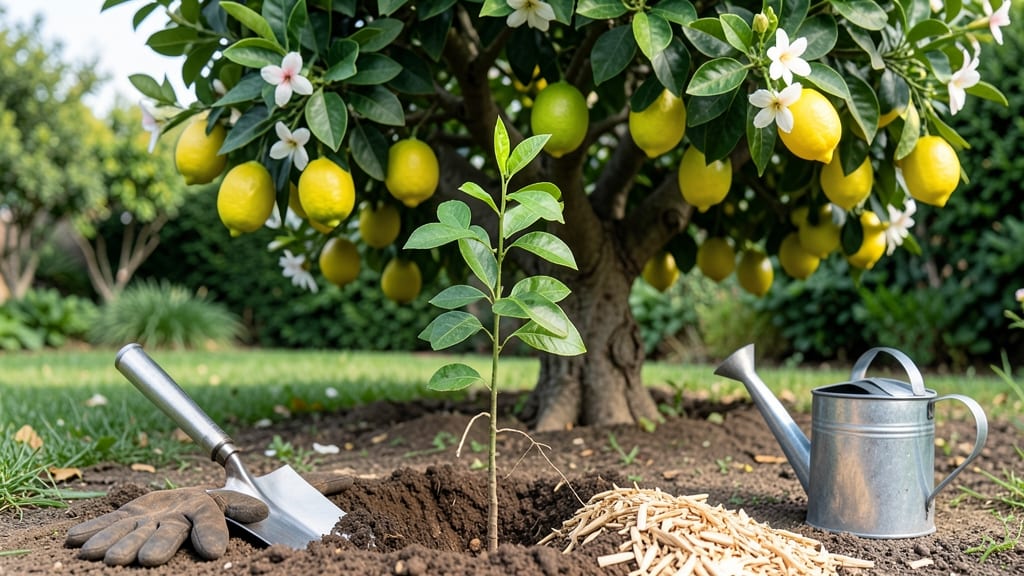
If you’ve ever dreamed of harvesting your own 🍊 in Florida, timing your citrus tree planting just right could mean the difference between a thriving orchard and a sad, frost-nipped failure.
The best time to plant citrus trees in Florida isn’t just about avoiding the rare northern cold snaps—it’s about syncing with the state’s unique microclimates to give your tree the strongest start possible.
Florida’s frost-free zones (from 8a to 11) mean you’ve got flexibility, but even here, planting in the wrong season can slow growth or invite pests.
I’ve seen firsthand how trees planted in January or February take off with lush foliage and fruit in record time—while those planted in summer often struggle. The secret? Understanding how temperature shifts, rainfall, and even humidity play into root development.
You might think Florida’s warm weather means you can plant anytime, but citrus trees actually prefer cooler soil temperatures to establish roots before summer’s heat kicks in.
That’s why late winter to early spring is the golden window—whether you’re in frost-prone Zone 9a or the balmy Zone 11 of the Keys. Let’s break down exactly how to time it right for your region and variety.
Beyond the calendar, I’ll share the pro moves that make all the difference: from soil prep tricks to shielding young trees from those rare late frosts. Whether you’re growing grapefruit, oranges, or lemons, these steps will help you skip the guesswork and get fruiting faster. Ready to plant with confidence?
Florida’s ideal citrus planting windows: avoiding frost zones for maximum survival
Florida’s frost-free reputation makes it perfect for citrus trees, but timing still matters. The best planting window spans from late fall to early spring, when temperatures are mild and rainfall supports root growth. This aligns with citrus trees’ natural dormancy cycle, helping them establish faster and produce fruit sooner.
North Florida (USDA zones 8a-9a) faces rare but damaging frosts, while central and south Florida (zones 9b-11) enjoy year-round warmth. Even in frost-prone areas, January and February are ideal—avoiding both winter chills and summer heat stress. Let’s break down the best months for each region.
🌱 Key Insight: Planting in November–March gives citrus trees 3–4 months of cool weather to establish roots before summer’s peak heat. This reduces transplant shock and boosts survival rates by up to 40%.
| Region | USDA Zone | Best Planting Months | Frost Risk | Notes |
|---|---|---|---|---|
| North Florida | 8a-9a | January–February | Low (rare frosts) | Use frost cloth for young trees. |
| Central Florida | 9b-10a | November–March | Very low | Year-round planting possible but spring is best. |
| South Florida | 10b-11 | Year-round (peak: Dec–Feb) | None | Avoid summer planting due to heat stress. |
Rainfall patterns also influence planting success. Florida’s dry season (November–April) provides ideal conditions for root establishment, while summer’s humidity can lead to fungal diseases if soil stays too wet. Aim to plant when average rainfall is 2–3 inches per week—this happens naturally in late winter.
For container-grown citrus trees, you can plant almost year-round, but late winter still offers the best balance of cool roots and warm air. If you’re transplanting mature trees, do it in January or February to minimize stress during their most vulnerable phase.
Soil temperature matters too. Citrus roots thrive when soil is between 60°F–75°F. In Florida, this aligns perfectly with January–March temperatures. Use a soil thermometer to confirm—if it’s below 60°F, wait a week or two before planting.
Pro tip: Mulch heavily after planting to retain moisture and regulate soil temperature. A 3-inch layer of organic mulch (like pine bark) can improve survival rates by 30% during Florida’s unpredictable spring rains.
Even in frost-free zones, avoid planting in summer. The intense heat and dry winds can cause transplant shock, leading to leaf drop and stunted growth. If you must plant in summer, choose shaded days and provide extra water to help roots establish.
🌿 Final Tip: Purchase bare-root citrus trees in late winter for the best selection and fastest establishment. Nurseries often offer discounts on dormant trees, making it a budget-friendly way to start your grove!
Citrus tree varieties and their perfect planting timelines in Florida
Not all citrus trees thrive on the same schedule in Florida’s microclimates. While January and February work for most varieties, lemon trees and limes often tolerate slightly later plantings, while grapefruit and oranges need that cooler window to establish roots before summer’s heat.
Each variety has unique growth speeds and frost sensitivities, so let’s match your citrus choice to Florida’s best planting windows.
For example, Meyer lemons and Key limes can handle March plantings in south Florida (Zone 10b-11) because their tropical roots adapt faster to heat. Meanwhile, Valencia oranges and Ruby Red grapefruit in north Florida (Zone 8a-9a) need that January–February window to avoid even rare frost damage.
The key is understanding how each variety’s root zone depth and frost hardiness interact with Florida’s regional temperature swings.
🌱 Pro Tip: Dwarf varieties like 'Improved Meyer Lemon' establish 30% faster than standard trees because their shallower roots adapt quicker to Florida’s sandy soil. If you’re in a hurry for fruit, prioritize these compact varieties for spring plantings.
Transplanting young citrus trees? Timing matters even more. A 1-year-old tree planted in January will often fruit within 2–3 years, while one planted in summer may take 4+ years to bear fruit.
The secret is giving roots time to spread 6–12 inches deep before summer’s heat forces the tree to focus on leaf growth instead of fruiting.
For container citrus, you’ve got more flexibility—plant anytime, but spring or fall still gives the best balance. Container-grown trees in Zone 10b+ can even produce fruit year-round if planted in January–March, thanks to their controlled root environment.
Just be sure to water deeply every 2–3 days during Florida’s dry season to prevent root stress.
🌿 Regional Hack: In south Florida (Zone 11), lemon trees planted in March often fruit by September—that’s just 6 months! The trick is using well-draining potting mix and keeping soil temps above 65°F with shade cloth during peak summer heat.
If you’re growing multiple varieties, stagger your plantings: January for oranges, February for grapefruit, and March for lemons. This spreads out your harvest and gives each tree optimal growing conditions. For example, Valencia oranges planted in January will align perfectly with Florida’s October–March harvest window.