
Plants
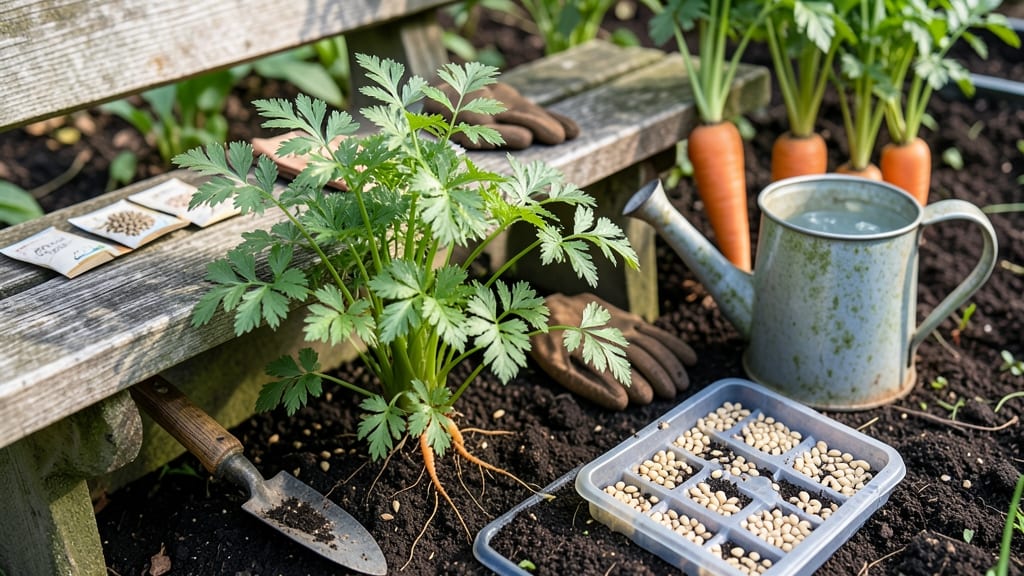
Timing your carrot planting in Northern California can mean the difference between sweet, straight roots and bitter, forked disappointments. The cool-season windows—spring and fall—are your best bets, but microclimates like coastal fog or inland valleys can shift those ideal dates by weeks.
If you’ve ever wrestled with gnarly, split carrots or watched them bolt in the heat, you know the stakes. The key is planting when soil temps hover between 50-70°F, giving those 🥕 roots the perfect environment to grow straight and tender.
For Zone 8a-9b, that means aiming for early March or late August, but coastal areas like the Bay can push those windows even earlier.
Don’t let unpredictable frosts or summer heat derail your harvest. I’ll break down exactly when to plant, how to prep your soil, and how to adjust for your specific corner of Northern California—whether you’re in the foggy hills or the sunbaked Central Valley.
Ready to grow carrots that rival the grocery store’s best? Let’s get you planting at the perfect moment for sweet, straight harvests all season long.
Northern California carrot planting calendar: best months for sweet, straight roots
Northern California’s cool coastal fog and inland heat create a unique growing window for carrots. Unlike many vegetables, carrots thrive in spring and fall, avoiding the summer heat that causes them to bolt or become woody.
The key is planting when soil temperatures stay between 50°F and 75°F—ideal for germination and root development.
Most gardeners in USDA zones 8a-9b (covering the Bay Area, Sacramento, and Central Valley) focus on two main planting windows: early spring (March-April) and late summer/early fall (August-September). These timings align with the region’s last and first frost dates, which vary slightly by location—typically mid-February to mid-November.
🌱 Pro Tip: Use a soil thermometer to confirm temperatures before planting. Carrot seeds need consistent moisture and warmth to sprout, but roots grow best when nights stay cool (60°F or below).
| Planting Window | Ideal Soil Temp | Days to Harvest | Key Considerations |
|---|---|---|---|
| Early Spring (March-April) | 50°F–65°F | 70–90 days | Plant after last frost; thin seedlings to 2–3" apart for straight roots. |
| Late Summer (August-September) | 60°F–75°F | 60–80 days | Avoid planting too late; harvest before first frost (Nov 15+). |
| Winter (October-November) | 45°F–60°F | 80–100 days | Use cold-hardy varieties (e.g., 'Purple Haze') with row covers for protection. |
For spring plantings, start seeds indoors 4–6 weeks before your last frost date to get a head start. In Northern California, this means late January to early March for most areas.
Transplant seedlings outdoors after soil warms to at least 50°F, and always harden them off first to avoid shock.
If you’re aiming for a fall harvest, focus on August sowings—this gives roots time to mature before temperatures drop. Use short-day varieties like 'Paris Market' or 'Nantes' to prevent bolting. Mulch heavily with straw to maintain even soil temps and deter weeds, which compete for nutrients.
⚠️ Common Mistake: Planting too early in winter or too late in summer leads to forked or bitter roots. Always check your local frost dates and adjust by 2–3 weeks for safety.
Soil preparation is just as critical as timing. Carrots need loose, stone-free soil to grow straight. Work in 2–3 inches of compost before planting and avoid heavy clay or compacted ground.
If your soil is rocky, grow short varieties like 'Little Finger' or use raised beds filled with sandy loam.
Watering plays a pivotal role in root development. Keep soil consistently moist (but not soggy) to prevent cracking or splitting. In Northern California’s dry summers, mulch with straw or wood chips to retain moisture and cool roots. Avoid overhead watering, which can spread fungal diseases like leaf blight.
Finally, don’t overlook succession planting. By sowing new seeds every 2–3 weeks during your chosen window, you can enjoy continuous harvests from spring through fall. Pair carrots with companion plants like rosemary or leeks to repel pests naturally.
Microclimate matters: adjusting planting times by northern CA region
Northern California’s diverse landscapes—from the foggy Bay Area to the sunbaked Central Valley—mean your carrot planting schedule should shift based on where you live.
Coastal regions like San Francisco or Santa Cruz enjoy milder winters and cooler summers, while inland areas like Sacramento or Stockton experience hotter days and colder nights. Even high-elevation spots in the Sierra foothills can delay planting by weeks.
For coastal areas (USDA 8a-9a), start planting carrots as early as late February to early March—the coastal fog keeps soil temps ideal for germination. Inland valleys (USDA 9b), however, should wait until mid-March to avoid soil overheating in April.
High-elevation gardens (above 2,000 ft) may push planting back to April due to later frost dates.
🌱 Key Adjustment: Coastal gardeners can extend fall plantings into early October, while inland growers should finish by mid-September to avoid first frost damage. Use a frost date calculator for your exact location—tools like the Almanac’s Frost Predictor are lifesavers!
| Region | Spring Planting Window | Fall Planting Window | Soil Prep Tip | Watering Adjustment |
|---|---|---|---|---|
| Coastal (Bay Area, Santa Cruz) | Late Feb–Early Mar | Early Aug–Early Oct | Add compost to retain moisture in foggy soils | Water deeply 2x/week; fog reduces evaporation |
| Inland Valleys (Sacramento, Stockton) | Mid-Mar–Early Apr | Late Aug–Mid Sep | Use mulch to cool hot soils; avoid clay | Water daily in summer; drip irrigation recommended |
| High Elevation (Sierra Foothills) | April–Early May | Late July–Early Aug | Test soil pH; amend with lime if acidic | Water sparingly; rocky soils drain fast |
Soil type also varies dramatically by region. Coastal gardens often have sandy loam, perfect for carrots, while inland areas may struggle with clay-heavy soils. Amend clay with sand or compost to improve drainage, and choose short varieties like 'Danvers Half Long' if your soil is rocky.
In high-elevation zones, focus on cold-hardy varieties like 'Purple Haze' to survive late frosts.
⚠️ Regional Pitfall: Inland gardeners often overwater in summer, leading to split roots. Use a moisture meter to check soil depth—carrots need consistent moisture, not soggy conditions. Coastal growers, meanwhile, may underwater due to fog, causing woody texture. Aim for 1 inch of water per week, delivered in the morning.
Don’t forget to adjust your companion planting strategy by region. In coastal areas, pair carrots with rosemary or thyme to deter pests like carrot flies.
Inland gardens benefit from leeks or onions, which repel aphids. High-elevation plots thrive with radishes, which break up compacted soil and mark carrot rows.
Finally, monitor local weather patterns—El Niño years can bring unpredictable rains, while drought years demand extra mulching. By tailoring your planting schedule to your microclimate, you’ll avoid the gnarly, forked carrots and enjoy sweet, straight harvests all season long.