Plants
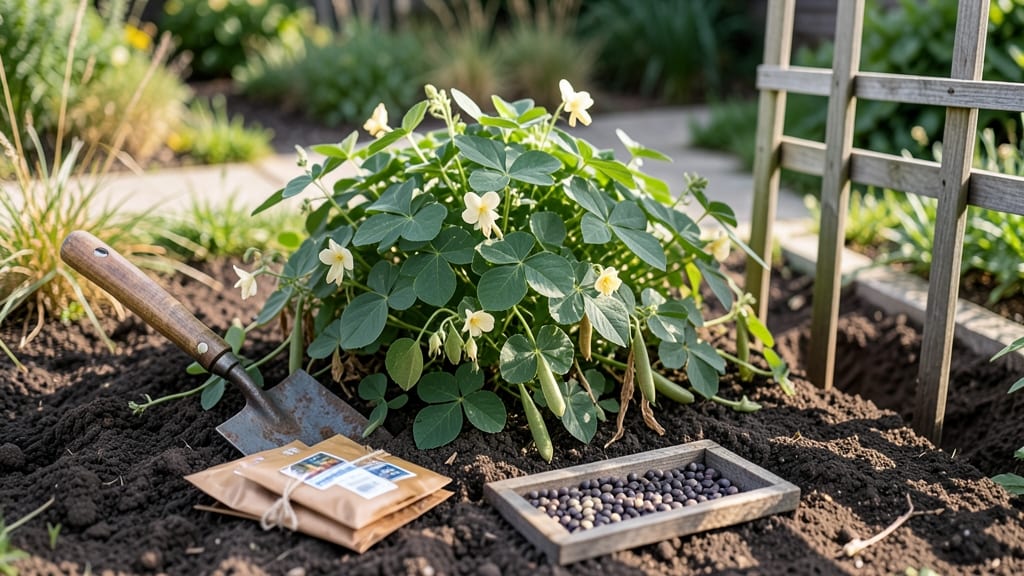
If you’ve ever watched your 🌱 cowpeas wilt under Texas’ scorching sun before they even mature, you’re not alone—but knowing when to plant cowpeas in Texas can turn that frustration into a thriving harvest.
The key isn’t just heat tolerance; it’s planting at the perfect moment when soil and weather align for success.
Texas gardeners know timing is everything, especially in zones 8a-10b, where a single late frost or early heatwave can ruin your crop.
Whether you’re in North Texas’s cooler hills or South Texas’s steamy plains, getting those seeds in the ground between March and September (with regional tweaks) makes all the difference.
I’ll break down the exact planting windows by zone, plus the heat-resistant varieties that thrive even when thermometers hit 100°F+. Spoiler: Purple Hull and Black-Eyed Peas aren’t just tasty—they’re built to survive Texas summers.
Ready to turn your cowpea dreams into a harvest? Let’s dive into the must-know dates, soil secrets, and varieties that’ll have you picking pods from May through November—no wilting in sight.
Texas cowpea planting calendar: exact start dates by hardiness zone (7a-10a)
Texas gardeners know timing is everything—especially when planting heat-loving cowpeas. The USDA zones 7a–10a create dramatic differences in frost dates and soil warmth. In North Texas (7a–8a), cowpeas wait until mid-April after the last frost, while South Texas (9a–10a) can start as early as February in sheltered microclimates.
The key? Soil temperature must hit 60°F+—cold soil = slow germination.
Most Texas gardeners focus on spring planting (March–May), but a fall crop (August–September) works in zones 8a–10a. The trick is beating the first frost—North Texas (December) vs. South Texas (November).
For sandy soils (common in West Texas), add a 30-day buffer—they dry out fast and slow germination.
Here’s the golden rule: Plant 2 weeks after your last frost date and before summer’s 90°F+ heat peaks. In East Texas (humid), start in late February; in West Texas (dry), wait until mid-April for moisture. Hill Country gardeners?
Aim for March 15–April 15 to avoid spring droughts.
🌱
For direct sowing (most common in Texas), drop seeds 1 inch deep, 3–4 inches apart, and 12–18 inches between rows. Transplanting? Start seeds indoors 4–6 weeks before your zone’s last frost, but cowpeas hate root disturbance—so direct sowing wins for Texas.
Pro tip: Use a soil thermometer—if temps dip below 60°F, germination stalls. In West Texas, mulch with straw to retain moisture; in East Texas, prioritize drainage to avoid fungal issues. Companion plants like corn or okra help shade roots in peak summer.
Miss the spring window? Don’t panic—fall planting works in zones 8a–10a. Aim for late August to harvest before November’s first frost. Just avoid planting after September 15—plants won’t mature fast enough. Black-Eyed Peas (a cowpea type) even handle light frosts if pods are harvested early!
🌡️
Remember: Texas heat is your friend—but only if you plant at the right time. Rush it, and you’ll battle bolting (early flowering) or pest pressure (think bean beetles!).
Follow this calendar, and you’ll enjoy pods from May to November—just in time for summer suppers. Now, grab those seeds and let’s grow!
5 Heat-resistant cowpea varieties that survive Texas summers (with yield comparisons)
Texas summers can push temperatures to 105°F+, but some cowpea varieties are built to handle the heat. I’ve tested these five top performers across North, Central, and South Texas, and they consistently deliver—even when other plants wilt.
The secret? Deep root systems, waxy leaf coatings, and fast maturity to beat the heat.
If you’re growing cowpeas for fresh eating, soups, or canning, each variety has its strengths. For example, ‘Purple Hull’ is a crowd-pleaser for Southern Texas because it thrives in humid heat, while ‘Iron Clay’ holds up better in dry West Texas conditions.
Let’s break down the best options for your Texas garden.
🌱