
Plants
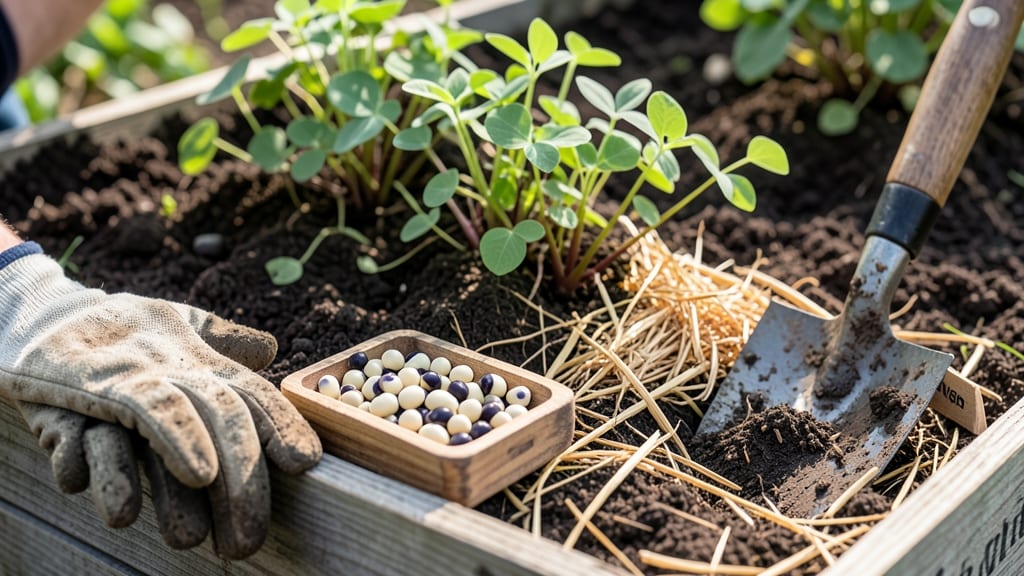
Timing your Black-Eyed Pea 🌱 planting in Texas isn’t just about the calendar—it’s about beating the heat and frost to unlock those sweet, tender pods we all love.
Whether you’re growing them for Southern-style dishes or soil enrichment, getting the window right means the difference between a thriving harvest and a wasted effort.
Texas gardeners know the struggle: plant too early, and your peas bolt in the heat; too late, and you miss the best harvest window. The key lies in understanding your zone—whether you’re in North Texas with its cooler winters or South Texas’s extended growing season.
With the right timing, you can enjoy fresh pods from April to May in spring or stretch your harvest into November and December in fall.
I’ll break down the exact months to plant based on your region, plus the heat-resistant varieties that thrive in Texas summers. We’ll also cover critical mistakes to avoid, like planting too close to frost or ignoring soil pH, so you can maximize your yield without the guesswork.
Ready to grow Black-Eyed Peas like a Texas pro? Let’s dive into the perfect planting schedule and tips to keep your plants happy—no matter how hot it gets.
Best months to plant black eyed peas in Texas regions
Texas’s diverse climate means your black-eyed pea planting schedule should align with your region. North Texas gardeners face cooler winters and earlier frosts, while South Texas enjoys longer growing seasons. The key is planting when soil temperatures hit 60°F (15°C)—this ensures strong germination and avoids heat stress.
For most of Texas, the ideal planting windows are late February to early March for spring harvests and September to October for fall production. These timings let you avoid frost while maximizing pod development before summer’s peak heat.
Here’s how to tailor your schedule by Texas zone:
| Texas Region | Last Frost Date | Best Planting Months | Harvest Window | Soil Temp Threshold |
|---|---|---|---|---|
| North Texas (Zones 7b-8a) | February 15 | Late February - Early March September - October |
April - May November - December |
60°F (15°C) |
| Central Texas (Zones 8a-8b) | February 28 | Early March - Late March August - September |
May - June October - November |
60°F (15°C) |
| South Texas (Zones 9a-10b) | March 15 | Late March - April July - August |
June - July September - October |
65°F (18°C) |
| West Texas (Zones 7b-9a) | February 20 | Late February - Early March September |
April - May November |
60°F (15°C) |
In North Texas, aim for late February to avoid frost damage, while Central Texas gardeners can plant slightly later due to warmer soils. South Texas offers the longest window—planting in July-August lets you harvest before summer’s worst heat arrives.
Pro tip: Use black plastic mulch to warm soil faster in cooler zones, or shade cloth in summer to protect tender seedlings from 100°F+ temperatures. This small adjustment can mean the difference between a thriving crop and a failed attempt.
For fall plantings, focus on September-October to ensure pods mature before the first frost. In North Texas, this might be as early as November 15, while South Texas can stretch harvests into December.
Always check your local USDA zone for precise frost dates, as microclimates can shift planting windows by 1-2 weeks. I’ve planted in East Texas and seen 30-day differences in frost timing just 50 miles apart—so don’t guess!
One more critical tip: Soil temperature matters more than air temperature. Use a soil thermometer ($10 at garden centers) to confirm 60°F+ before planting. Cold soils delay germination and invite rot.
Ready to pick your perfect month? Let’s move to the heat-resistant varieties that thrive in Texas’s extreme summers—because not all black-eyed peas handle our heat the same way.
Best months to plant black eyed peas in Texas regions
Texas’s diverse climate means your black-eyed pea planting window depends heavily on where you live. In North Texas (Zones 7b-8a), like Dallas or Fort Worth, aim for late February to early March for spring plantings or September to early October for fall harvests.
These regions experience hard frosts as late as February 15, so timing is critical to avoid damage.
For Central Texas (Zones 8a-9a), including Austin and San Antonio, your window stretches slightly later: mid-March to April for spring or late August to September for fall. The warmer climate here allows for longer growing seasons, but avoid planting after mid-October—mature plants won’t tolerate winter chills.
In South Texas (Zones 9a-10b), like Corpus Christi or Brownsville, you can plant year-round with minimal frost risk. Focus on September to November for fall harvests or February to March for spring. The key is maintaining soil temperatures above 60°F (15°C)—cold snaps can still stunt growth.
| Texas Region | Best Planting Months | Soil Temp Threshold | Frost Risk |
|---|---|---|---|
| North Texas (7b-8a) | Late Feb–Early Mar (spring) / Sep–Early Oct (fall) | ≥60°F (15°C) | High (last frost: Feb 15) |
| Central Texas (8a-9a) | Mid-Mar–Apr (spring) / Late Aug–Sep (fall) | ≥60°F (15°C) | Moderate (last frost: Feb 28) |
| South Texas (9a-10b) | Feb–Mar (spring) / Sep–Nov (fall) | ≥65°F (18°C) | Low (last frost: Mar 15) |
| West Texas (8a-9a) | Late Mar–Apr (spring) / Sep (fall) | ≥60°F (15°C) | Highly variable (check local forecasts) |
West Texas (Zones 8a-9a), including Lubbock or Midland, has a shorter growing season due to hot, dry winds. Plant late March to April for spring or September for fall, and prioritize drought-resistant varieties like 'Crowder.'
Always check your local frost-free date—West Texas can swing from freezing nights to 100°F days within weeks.
Pro tip: Use a soil thermometer to confirm temperatures before planting. Black-eyed peas won’t germinate well in cold soil, even if air temps seem warm. Aim for consistent 60°F+ for 7+ days before sowing seeds.
For a continuous harvest, stagger plantings every 2-3 weeks within your region’s window. This ensures fresh pods from April to December, depending on your zone. Just remember: heat stress after flowering can reduce pod set, so avoid planting during Texas’s brutal summer months.
🌱