
Plants
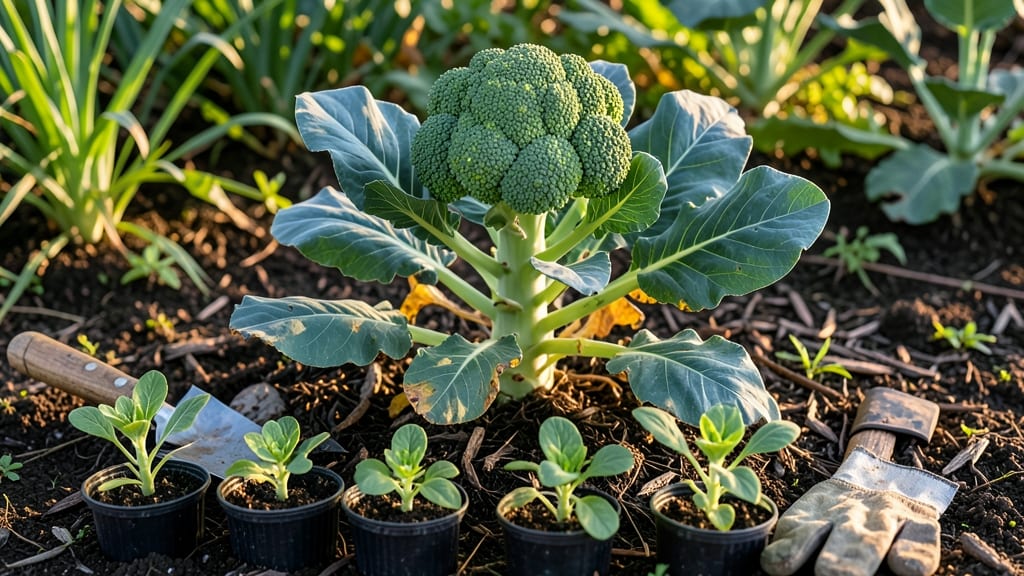
Timing your broccoli 🥦 planting in North Texas can make or break your harvest—get it wrong, and you’ll end up with bitter, bolted plants or frost-killed seedlings.
The key to success lies in those narrow windows between late August and September for fall crops or February to March for spring, when soil temps and daylight balance just right.
North Texas’ 7b-8a climate throws a wrench into the mix, with scorching summers and unpredictable winters. But don’t stress—this guide cuts through the guesswork to help you plant broccoli at the perfect moment for zero-bolt, high-yield heads.
We’re talking lush, flavorful harvests from November to December (fall) and May to June (spring).
Why does this matter? Because broccoli hates heat and cold extremes—plant too early, and you’ll trigger bolting; too late, and frost steals your crop. I’ll show you how to read your local microclimate (urban vs. rural) and adjust your schedule for reliable results, even in Texas’ fickle weather.
Ready to master the art of broccoli timing? Let’s dive into the exact months, temperature thresholds, and pro tips to turn your North Texas garden into a broccoli powerhouse—no more wasted seeds or bitter surprises!
North Texas broccoli planting calendar: month-by-month breakdown for zero-bolt growth
North Texas gardeners face a unique challenge with broccoli—our hot summers and unpredictable winters demand precise timing. Plant too early, and your broccoli bolts before forming heads.
Too late, and frost steals your harvest. The key is two strategic planting windows: late summer/fall and early spring, both timed to avoid extreme temperatures.
Broccoli thrives in USDA Zones 7b-8a, which covers most of North Texas. Our first frost typically hits around November 15, while the last frost usually occurs by February 15. This gives us a narrow but productive window for cool-season crops like broccoli.
Understanding these dates helps you align planting with your local microclimate—whether you're in urban Dallas or rural West Texas.
Here’s how to time your broccoli planting for zero-bolt success in North Texas, with temperature thresholds and frost considerations included:
| Planting Window | Best Months | Soil Temp (°F) | Frost Risk | Harvest Window | Notes |
|---|---|---|---|---|---|
| Fall Planting | Late August - Early September | 50-70°F | Low (after Sept 15) | November - December | Plant 6 weeks before first frost for mature heads before cold sets in. |
| Spring Planting | February - Early March | 40-60°F | Moderate (before March 15) | May - June | Plant 3-4 weeks before last frost to avoid spring heat stress. |
| Emergency Late Fall | October (with protection) | 45-65°F | High (use row covers) | December (small heads) | Use frost blankets for extended harvest in mild winters. |
For fall planting, aim to sow seeds or transplant seedlings in late August to early September. This gives your broccoli enough time to mature before temperatures drop below 40°F.
In North Texas, soil temperatures in late summer can still hover around 80°F, which is too warm for germination. To solve this, I recommend pre-cooling your soil by watering deeply for a few days before planting or using shade cloth to lower ground temps.
Spring planting is trickier because North Texas’ unpredictable warm spells can cause bolting. Start seeds indoors in January and transplant outdoors in February, once soil temperatures stabilize below 60°F.
If you’re in a warmer microclimate like East Texas, you might push planting to early March, but monitor weather forecasts closely for heatwaves that can trigger bolting.
One of my favorite tricks for North Texas gardeners is succession planting. Instead of planting all your broccoli at once, stagger seeds every 2-3 weeks during your chosen window. This ensures a continuous harvest and reduces the risk of losing your entire crop to bolting or frost.
For example, plant a batch in late August, another in early September, and a final one in mid-September if conditions allow.
Don’t forget to account for local microclimates. Urban areas like Dallas or Austin often experience heat islands, where temperatures can be 5-10°F warmer than rural areas. If you’re in a city, consider planting in containers or raised beds to give yourself more control over soil temperature and moisture.
Rural areas, on the other hand, may experience earlier frosts, so adjust your planting dates accordingly.
Finally, always check your local frost dates using resources like the Texas A&M AgriLife Extension or Almanac’s Frost Calculator. These tools provide hyper-local data that can shift your planting window by 1-2 weeks depending on your exact location. For example, Lubbock might have
5 Pro tips to prevent broccoli bolting in North Texas heat
North Texas summers can push broccoli plants into a bolting frenzy—those bitter, flower-filled stalks that ruin your harvest. The key to preventing this is cooling your plants and managing stress, especially during our 90°F+ heat waves.
I’ve tested these tricks in my own garden, and they’ve kept my broccoli cool, happy, and bolt-free even in July.
First, shade cloth is your best friend during peak heat. A 30-50% shade cloth reduces soil and air temps by 10-15°F, giving your broccoli the cool conditions it craves. Install it when temps hit 85°F and remove it as temps drop below 75°F to avoid stunting growth.
Use shade cloth during heatwaves
Install 30-50% shade cloth when temps exceed 85°F to prevent bolting. Remove when temps drop below 75°F.
Second, mulch like your harvest depends on it. A 3-4 inch layer of straw or wood chips keeps soil temps 10°F cooler than bare earth. This mimics the consistent moisture broccoli loves and blocks out heat stress. Plus, it suppresses weeds—double the win!
Apply 3-4" mulch to cool soil
Use straw or wood chips to maintain 60-70°F soil temps and retain moisture.
Third, water deeply in the morning—not just a sprinkle. Broccoli roots need 1-2 inches of water weekly, but shallow watering stresses plants and triggers bolting. Use a soaker hose or drip irrigation to deliver water slowly and evenly, keeping roots cool and hydrated all day.
Water deeply in morning
Provide 1-2" weekly using soaker hoses to avoid stress and bolting.
Finally, choose heat-tolerant varieties like 'De Cicco' or 'Waltham 29', which handle 85°F+ temps better than standard types. These varieties stay bolting-resistant longer, giving you extra harvest time in North Texas’ unpredictable climate.
By combining these 5 pro tips, you’ll outsmart North Texas heat and enjoy bold, zero-bolt broccoli all season—no bitter surprises here! 🌱