
Plants
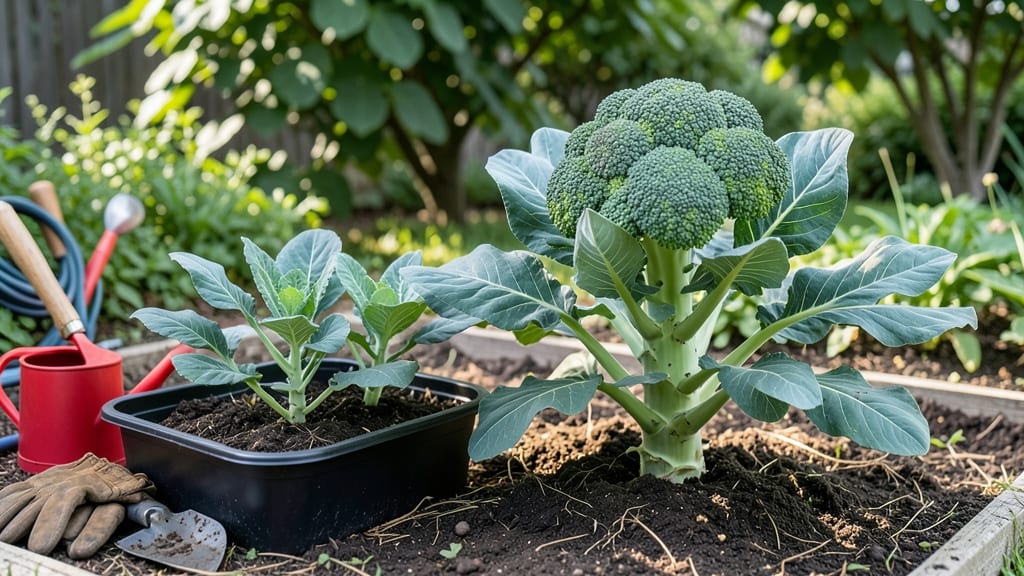
Timing is everything when it comes to growing 🥦 broccoli in Zone 9—get it wrong, and you’ll watch your plants bolt before they even form heads. The key to success lies in planting during the cooler months when temperatures stay mild, giving your broccoli the perfect conditions to thrive.
If you’ve ever struggled with broccoli in Southern California’s heat, you’re not alone. The trick is to plant in fall (October–November) or early winter (January–February), when the weather cooperates. This ensures your plants mature before summer’s scorching temperatures trigger bolting—saving you from disappointment.
But here’s the good news: with the right strategies, you can enjoy a steady harvest from late winter to early spring. I’ll walk you through the exact timing, soil prep, and even heat-tolerant varieties that perform best in Zone 9’s climate.
Ready to grow broccoli that actually produces? Let’s dive into the timing tricks that make all the difference—no more wasted effort, just a bountiful garden.
Best planting times for broccoli in Zone 9 to prevent bolting
Zone 9’s warm winters and hot summers make broccoli a challenging crop, but timing is everything. Unlike cooler climates, you’ll skip spring planting entirely—focus instead on fall and winter windows when temperatures drop below 80°F.
This prevents the dreaded bolting (premature flowering) that turns your broccoli into bitter seed stalks.
Your two best planting windows are October-November for fall crops and January-February for winter harvests. These months offer cooler soil temps (60-70°F) and shorter daylight hours, both of which broccoli loves. Think of it as a cool-season strategy adapted for Zone 9’s mild climate.
For fall planting, aim to sow seeds or transplant seedlings by mid-October at the latest. This gives plants 60-80 days to mature before summer heat returns.
If you’re in Southern California or Arizona’s low deserts, push planting to early November—the cooler coastal areas can handle it slightly later.
Winter planting is trickier but rewarding. Start seeds indoors in late December and transplant outdoors by mid-January when soil temps stabilize. Use row covers if nights dip below 50°F—broccoli tolerates light frosts (28°F) but prefers 55-75°F for best growth.
Here’s the critical rule: Never plant broccoli when daytime temps exceed 80°F. Even heat-tolerant varieties will bolt within 10-14 days of sustained heat. Your goal is to avoid summer heat entirely—broccoli is a cool-season crop at heart.
| Planting Window | Ideal Months | Temperature Range | Days to Maturity | Harvest Months |
|---|---|---|---|---|
| Fall Planting | October - November | 60-75°F (day), 50-60°F (night) | 60-80 days | December - March |
| Winter Planting | January - February | 55-70°F (day), 45-55°F (night) | 50-70 days | March - May |
| Avoid Planting | April - September | Above 80°F | Bolting risk | N/A |
If you’re direct sowing seeds (cheaper but slower), plant them ¼-inch deep and keep soil moist until germination (5-10 days). For transplants (faster and more reliable), buy 6-week-old seedlings from nurseries specializing in heat-tolerant varieties. Harden them off for 3-5 days before planting to reduce transplant shock.
Pro tip: Use shade cloth (30-50%) if you must plant in late spring (March-April). This buys you 2-3 extra weeks before bolting sets in. Pair it with drip irrigation to keep roots cool—broccoli hates stress from heat or dry soil.
For successive planting, stagger your fall and winter crops every 2-3 weeks. This ensures a continuous harvest from December through May. Just remember: Zone 9’s summer is broccoli’s enemy. Plan your garden layout to move broccoli out of hot spots once temps rise.
One common mistake? Assuming “Zone 9” means no frost. While true for most areas, high desert regions (e.g., parts of Arizona/Nevada) can dip below 32°F. Protect young plants with frost blankets if temps drop unexpectedly—broccoli won’t die, but it’ll slow growth and delay harvests.
Start with these two planting windows, and you’ll avoid bolting while enjoying fresh broccoli year-round. Next, we’ll cover the best heat-tolerant varieties to pair with your timing strategy—some handle Zone 9’s heat 30% better than standard types.
Best planting times for broccoli in Zone 9 to prevent bolting
In Zone 9, broccoli thrives when planted during the coolest months—avoiding summer’s heat is key. Your best windows are fall (October–November) and early winter (January–February), when daytime temps stay below 75°F. These months give your plants 60–80 days to mature before summer’s bolting triggers kick in.
For a fall harvest, start seeds indoors in late August or transplant seedlings in early September. If you prefer winter planting, get seedlings in the ground by mid-December to ensure heads form before spring warmth arrives. Timing here means the difference between a bountiful harvest and wasted effort.
Here’s the critical timeline to remember: Broccoli needs 50–80 days to mature, so count backward from your first frost-free harvest window (February–April). Zone 9’s mild winters mean you can often plant two crops per year—fall and winter—if you choose fast-maturing varieties.
| Season | Planting Window | Temperature Range | Harvest Time |
|---|---|---|---|
| Fall | October–November | 60–75°F (day) | December–February |
| Winter | January–February | 55–70°F (day) | March–April |
| Spring (Risky) | March (if using shade) | Above 75°F (bolting risk) | May (limited success) |
Direct sowing is an option, but transplanting seedlings (available at nurseries) gives you a head start. Look for 6–8 week-old seedlings with dark green leaves and no yellowing. Harden them off for 3–5 days before planting to reduce transplant shock—a critical step for Zone 9’s dry, hot winds.
Pro tip: If you’re planting in September, use shade cloth (30–50%) to protect seedlings from afternoon sun until they establish roots. This small adjustment can save your crop from bolting prematurely. Pair this with drip irrigation to keep soil moisture consistent—broccoli hates fluctuating water levels.
For a second fall crop, try succession planting every 2–3 weeks in late summer. This staggered approach ensures a steady supply of fresh broccoli heads from November through March. Just remember: never plant in summer unless you’re using heat-tolerant varieties and aggressive shade strategies.