
Plants
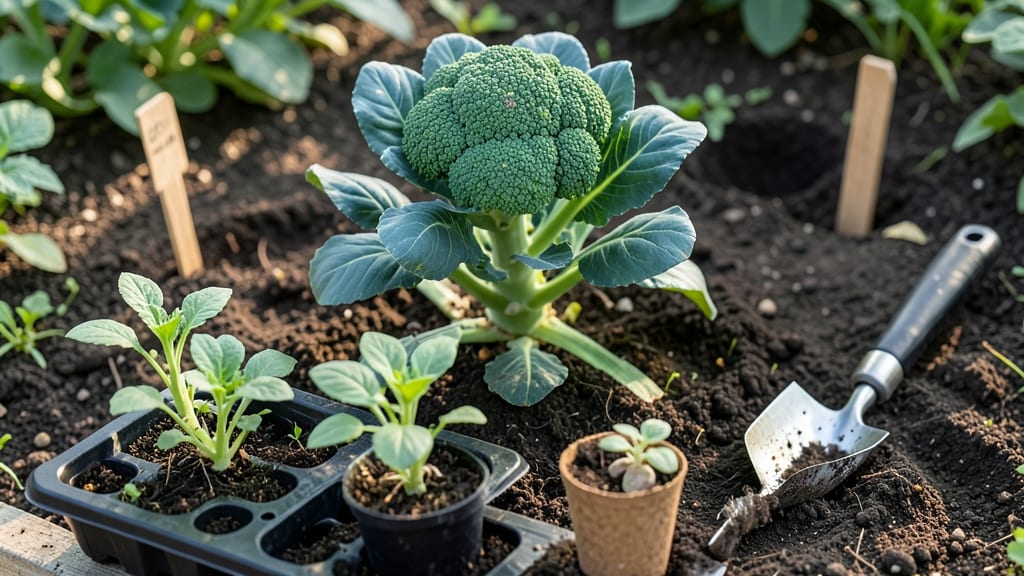
If you’ve ever tried planting broccoli in Zone 9b only to watch it bolt before producing a single head, you’re not alone. The key to success here isn’t just when you plant—it’s understanding the delicate balance between heat, moisture, and timing that keeps your plants happy and productive.
Zone 9b’s warm winters and scorching summers make broccoli a finicky crop, but with the right schedule, you can enjoy a harvest from December to June.
The secret? Planting in the coolest months—October through November for fall crops and February through March for spring—while avoiding the brutal summer heat that triggers bolting.
I’ll break down the exact months to plant, whether to direct sow or transplant, and how to extend your growing season so you’re not left with empty garden beds.
Plus, I’ll share my top tricks for keeping your broccoli thriving in the desert climate, from shade strategies to watering hacks that actually work.
Ready to turn your Zone 9b garden into a broccoli powerhouse? Let’s get started—because timing isn’t just about the calendar, it’s about giving your plants the best shot at success.
Best months to plant broccoli in Zone 9b (with heat tolerance tricks)
In Zone 9b, where summer temperatures can soar above 90°F, broccoli thrives best when planted during the cooler months. The ideal window is late September through November for a fall harvest, or February through March for a spring crop.
This timing avoids the heat stress that triggers bolting (premature flowering).
Zone 9b’s microclimates play a big role—coastal areas like San Diego stay milder longer, while inland deserts (like Phoenix) require earlier planting. For coastal gardens, you can push planting to mid-November, while inland growers should aim for early October to beat the heat.
Broccoli is a cool-season crop, meaning it performs best when daytime temps stay between 60-75°F. In Zone 9b, summer heat forces broccoli to bolt within 2-3 weeks of planting, ruining your harvest. The key is to time your planting so seedlings mature before temperatures rise above 80°F.
Direct sowing vs. transplants matters too. In Zone 9b, I recommend transplants for fall planting—they establish faster and give you a head start. Start seedlings 6-8 weeks before your target planting date (so August for fall, December for spring) using seedling trays under grow lights or in a cool greenhouse.
Soil prep is critical. Zone 9b soils often lack organic matter, so amend with 2-3 inches of compost or well-rotted manure before planting. Broccoli prefers slightly acidic soil (pH 6.0-7.0).
Test your soil and adjust with lime (to raise pH) or sulfur (to lower pH) if needed. Mulch heavily with straw or wood chips to retain moisture and regulate soil temperature.
Here’s the exact planting schedule for Zone 9b:
| Planting Window | Best For | Seedling Age | Harvest Time | Heat Tolerance Tip |
|---|---|---|---|---|
| Late September - Early October | Fall harvest (inland) | 4-6 weeks old | December - January | Use shade cloth 30% |
| Mid-October - November | Fall harvest (coastal) | 4-6 weeks old | December - February | Plant near drip irrigation |
| February - Early March | Spring harvest | 4-6 weeks old | May - June | Mulch with straw |
| Late March (coastal only) | Late spring harvest | 3-4 weeks old | July (risky) | Avoid—high bolting risk |
For direct sowing, scatter seeds ¼ inch deep, 12-18 inches apart, in rows 2 feet apart. Thin seedlings to 12 inches apart once they’re 2-3 inches tall.
This spacing improves air circulation, reducing fungal diseases like downy mildew, which thrives in Zone 9b’s humid summers.
If you’re growing in containers, choose 5-gallon pots or larger to accommodate broccoli’s deep root system. Use a lightweight potting mix with perlite or vermiculite for drainage.
Place pots in a shaded area during peak afternoon sun (1-4 PM) to prevent heat stress. Container-grown broccoli bolts 2x faster in Zone 9b heat, so monitor temps closely.
One pro tip: Succession planting every 2-3 weeks in fall extends your harvest window. For example, plant a batch in early October, then again in mid-October and early November. This staggered approach ensures a continuous supply of fresh broccoli from December through February.
Finally, watch for pests like cabbage worms and aphids, which are more active in Zone 9b’s mild winters. Use row covers or neem oil sprays to protect young plants. With the right timing and care, you’ll avoid bolting and enjoy a bountiful broccoli harvest in even the hottest climates.
Best months to plant broccoli in Zone 9b (with heat tolerance tricks)
In Zone 9b, where summer temperatures can soar above 90°F, broccoli thrives only when planted during the coolest months. The ideal window is late September through November for fall crops and February through early March for spring plantings.
These months offer daytime highs between 60-75°F, perfect for broccoli’s growth without triggering bolting.
Direct sowing is best for fall crops, while transplants work better in spring when temperatures are more stable. I’ve found that starting seeds indoors 4-6 weeks before the first outdoor planting gives them a head start against Zone 9b’s heat.
For direct sowing, aim for mid-October to ensure harvests before summer arrives.
| Planting Method | Best Months | Heat Tolerance | Notes |
|---|---|---|---|
| Direct Sowing | Late September - November | Moderate | Best for fall crops; avoid summer heat |
| Transplants | February - Early March | Low | Hardier; better for spring |
| Indoor Start | July - August | High (protected) | Transplant outdoors in fall |
Coastal areas of Zone 9b, like San Diego, have slightly milder winters, allowing for earlier plantings in September. Inland regions, such as Phoenix, should wait until mid-October to avoid heat stress.
I’ve noticed that morning sun exposure with afternoon shade can extend the growing window by 2-3 weeks in these hotter microclimates.
Soil temperature is just as critical as air temperature. Broccoli seeds won’t germinate well in soil warmer than 75°F. I always test my soil with a soil thermometer before planting—if it’s above 70°F, I delay until conditions cool.
Amending the soil with compost and aged manure also helps retain moisture and regulate temperature.
For a second harvest, I plant a small batch in late January, using shade cloth to protect young plants from sudden heat spikes. This method has given me harvests in May, just before the summer bolting season begins.
The key is consistent moisture—never let the soil dry out, especially during transplanting.
Remember, broccoli in Zone 9b is a cool-season crop, so plan your schedule around avoiding summer heat. With these timing tricks, you’ll avoid the common pitfall of bolting and enjoy a bountiful harvest all year round. 🌱