
Plants
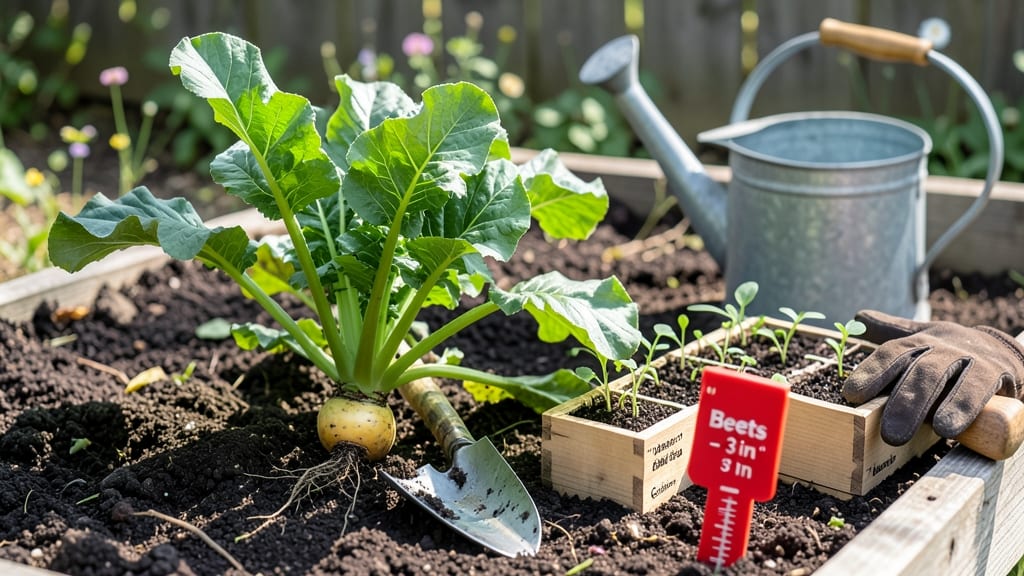
Timing when to plant beets in Colorado just right is the secret to avoiding bitter greens and shriveled roots—especially when elevation zones shift frost dates by weeks.
Whether you're in Denver's urban gardens or the high-altitude plains, planting too early risks frost damage, while waiting too long means summer heat turns your harvest into tough, woody messes.
I've grown 🌱 beets across Colorado's zones, and the key is knowing your last frost date—typically April 15-30 in lowland areas but pushing into May-June at 7,000+ feet.
The good news? Beets are forgiving, but their 60-90 day growth window demands precision for that sweet, tender harvest before summer's heat sets in.
What most gardeners miss is the late summer planting trick—sow seeds again in August for a fall crop, just 6-8 weeks before your first frost. This two-season approach maximizes yields and keeps your table stocked when early beets fade.
Let me show you exactly how to nail those windows for your specific zone.
From soil temperature checks to succession planting hacks, I'll break down the exact steps to grow beets that rival the ones at your farmers' market—without the guesswork. Ready to turn your Colorado garden into a beet bonanza?
Colorado beet planting calendar by elevation zone (with frost dates)
Colorado’s three distinct elevation zones mean your beet planting schedule should match your altitude. Lowland gardeners (3,000–5,000 ft) enjoy longer growing seasons, while mountain gardeners (7,000+ ft) face shorter windows.
Knowing your last spring frost and first fall frost dates is critical—beets bolt (go to seed) quickly when stressed by heat.
For lowland Colorado (3,000–5,000 ft), like Denver or Colorado Springs, aim to plant beets 4–6 weeks before your last frost date (typically mid-April to early May). This gives them time to mature before summer’s heat sets in.
In foothills (5,000–7,000 ft), such as Fort Collins or Boulder, shift your timeline 2 weeks earlier (late March to mid-April) due to cooler soils.
Mountain gardeners (7,000+ ft) in areas like Aspen or Leadville have the shortest season. Start seeds indoors by late February and transplant outdoors as soon as soil thaws (late April to early May).
For all zones, a late summer planting (mid-July to early August) can yield a fall harvest before frost.
🌱
| Zone | Avg. Last Frost | Spring Planting Window | Fall Planting Window | Days to Harvest |
|---|---|---|---|---|
| Lowland (3,000–5,000 ft) | Mid-April | Late March–Early May | Mid-July–Early Aug | 50–70 days |
| Foothills (5,000–7,000 ft) | Early April | Late Feb–Mid-April | Early July–Mid-July | 55–75 days |
| Mountain (7,000+ ft) | Late April | Late Feb–Early May (start indoors) | Early July–Early Aug | 60–80 days |
For baby beets (harvested at 1–2 inches), plant seeds every 2 weeks from spring through early summer. This succession planting strategy ensures a steady supply.
Mature beets need 70–80 days to reach harvest size, so time your last planting to finish before first fall frost (typically mid-October in lowlands, early October in mountains).
Use black plastic mulch in early spring to warm soil faster and extend your planting window by 2–3 weeks. This is especially helpful in high-altitude gardens where cold soils delay germination. Always test soil temperature—beets need 45°F+ to sprout reliably.
If you’re unsure about your frost dates, check the Colorado State University Extension frost calculator or use local garden centers’ planting guides. They often provide hyper-local adjustments based on microclimates like urban heat islands or windy plains.
🌿
Pro tip: Mark your calendar for June 15th—this is the last safe date to plant beets in most of Colorado for a fall harvest. After this, days get too short, and beets struggle to mature before frost.
For high-altitude areas, shift this date to June 1st to account for cooler temperatures.
How Colorado’s microclimates affect beet success (and how to adjust)
Colorado’s microclimates can turn your beet garden into a hit—or a bust—if you don’t account for local conditions. Urban heat islands in Denver or Colorado Springs can push soil temperatures up 10°F+ hotter than rural areas, while windy plains near Greeley dry out soil faster.
Even a 500-foot elevation change can shift your planting window by 1–2 weeks, so knowing your specific conditions is key.
For urban gardens, where pavement and buildings trap heat, start beets 1–2 weeks later than rural areas to avoid early bolting. Monitor soil temps with a soil thermometer—beets need 50°F+ to germinate, but urban soils can hit 70°F+ by April, tricking seeds into sprouting too early.
In windy plains regions, like the Front Range, use windbreaks (like cornstalks or burlap) to protect young seedlings from drying out.
🌬️
5 Microclimate Adjustments for Colorado Beets
- Urban Heat Islands: Delay planting by 1–2 weeks; use shade cloth in peak summer.
- Windy Plains: Plant near windbreaks or use low mounds to reduce exposure.
- High-Altitude Gardens: Start seeds indoors by February and harden off slowly.
- River Valleys: Expect earlier springs—plant 2 weeks ahead of zone averages.
- Mountain Slopes: Use black plastic mulch to warm cold soils faster.
High-altitude gardens (7,000+ ft) face shorter daylight hours and cooler soils, so extend your season with row covers or cold frames. These can add 2–3 weeks to your harvest window by trapping heat.
In river valleys, like the Arkansas River Basin, warmer microclimates let you plant 3–4 weeks earlier than surrounding areas—check local frost records to avoid overestimating your window.
Succession planting is your best friend in Colorado’s unpredictable climate. Instead of one big planting, sow small batches every 2 weeks from spring through early summer. This ensures a steady harvest and reduces risk if one planting fails due to late frosts or early heatwaves.
For fall crops, aim to finish harvests by October 1st in lowlands or September 15th in mountains.
🌱
Pro tip: If your beets start looking stunted or yellow in high-altitude areas, they’re likely struggling with nitrogen deficiency—common in thin mountain soils. Side-dress with compost or fish emulsion every 4 weeks to keep them growing strong.
And always water deeply in the morning to prevent fungal issues from evening moisture.