
Plants
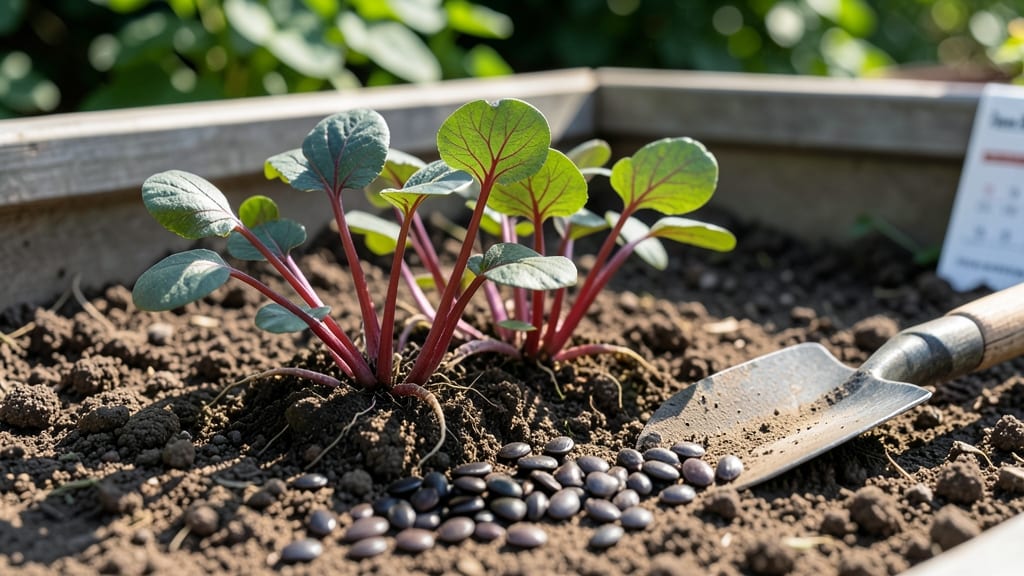
Knowing when to plant beets in Zone 5b is the secret to harvesting those sweet, tender roots instead of tough, bitter ones. The difference between a perfect crop and a disappointing one often comes down to timing—especially in a zone where frost lingers and summer can be short.
For me, the key has always been planting early in the season, around March or April, when the soil warms just enough to encourage germination. But there’s also a second chance in late summer, around July or August, to stretch your harvest into fall.
These windows align perfectly with Zone 5b’s climate, where last frosts typically hit around April 15 and first frosts arrive by October 15.
What I’ve learned is that beets are forgiving but not patient. They grow fast—45 to 70 days—so getting them in the ground at the right time means you’ll enjoy a steady supply of fresh, crisp roots before they bolt or turn woody.
Whether you’re a first-time gardener or a seasoned pro, these exact planting weeks will help you avoid common mistakes and maximize your harvest.
Let’s break down the best weeks to plant, how to adjust for faster or extended harvests, and which beet varieties thrive in Zone 5b’s unique growing conditions. You’ll leave here with a clear, actionable plan to grow beets that are sweet, fast, and foolproof.
Best planting weeks for beets in Zone 5b: spring vs fall timing
In Zone 5b, beets thrive when planted during two critical windows: early spring and late summer. These timings align with soil temperatures and frost risks to ensure tender, sweet roots instead of woody, tough ones.
The key is planting when the soil reaches at least 50°F (10°C)—this prevents slow germination and bolting (flowering too soon).
For spring planting, aim for mid-March to early April, about 4-6 weeks before your last frost date (typically April 15 in Zone 5b). This gives your beets 60-70 days to mature before summer heat sets in.
If you plant too early, cold soil delays germination, while planting too late risks bolting as temperatures rise.
Fall planting offers a second harvest and is less competitive with other crops. Start late July to early August, allowing 50-60 days of growth before the first frost (usually October 15). This timing avoids the heat stress of summer while still producing sweet, flavorful roots before winter.
| Planting Window | Soil Temp | Days to Maturity | Frost Risk |
|---|---|---|---|
| Early Spring (March-April) | 50°F+ (10°C+) | 50-70 days | Low (post-last frost) |
| Late Summer (July-August) | 55°F+ (13°C+) | 50-60 days | Moderate (pre-first frost) |
Zone 5b’s short growing season (about 150 frost-free days) demands precision. Planting too early in spring risks cold soil, while late summer plantings must finish before frost hits. Use row covers for early spring starts to protect seedlings from late frosts (common in Zone 5b until May 1).
For maximum yield, space your plantings 2 weeks apart in spring and 3 weeks apart in fall. This succession planting ensures a continuous harvest from June through October.
For example, if you plant your first batch in March 15, follow up with April 1 and April 15 for staggered maturity.
Soil temperature is your best guide—use a soil thermometer to confirm it’s 50°F+ before planting. In Zone 5b, March soil can still be too cold (below 45°F), so wait for consistent warmth to avoid slow germination or rot. If your soil is too wet or cold, amend with compost to warm it faster.
Fall plantings require extra attention to bolt resistance. Choose heat-tolerant varieties (like Detroit Dark Red) and mulch heavily to regulate soil temperature. Avoid planting after mid-August, as days shorten and bolting accelerates. Harvest before October 15 to prevent frost damage to tender roots.
Pro Tip: Mark your last frost date (April 15) and first frost date (October 15) on your calendar. Count backward 60 days for fall plantings and forward 50 days for spring plantings. This simple math ensures you never miss the window for sweet, homegrown beets.
✅ Key Takeaway: In Zone 5b, plant beets in March-April (spring) and July-August (fall) for two reliable harvests. Use soil temperature and frost dates as your guides to avoid common pitfalls like bolting or woody roots. With this timing, you’ll enjoy tender, flavorful beets all season long!
Best planting weeks for beets in Zone 5b: spring vs fall timing
In Zone 5b, timing your beet planting is all about avoiding frost and heat stress. The ideal planting window is between March 15 and April 15 for spring harvests, and again from July 15 to August 15 for fall crops.
These dates align with soil temperatures of 50°F or warmer, which is critical for germination.
For spring plantings, I always aim to get seeds in the ground 3-4 weeks before the last frost date (around April 15 in Zone 5b). This gives seedlings enough time to establish before summer heat arrives.
If you plant too early, cold soil can delay germination, while planting too late risks bolting before harvest.
Fall plantings are trickier because beets need time to mature before the first frost (typically October 15). Starting seeds in mid-July ensures a harvest before winter sets in. Use row covers to extend the season if needed.
🌱 Zone 5b Beet Planting Timeline
| Season | Planting Window | Soil Temp | Frost Risk | Harvest Window |
|---|---|---|---|---|
| Spring | March 15 - April 15 | 50°F+ | Low (post-last frost) | June - October |
| Fall | July 15 - August 15 | 60°F+ | Moderate (pre-first frost) | October - November |
One mistake I made early on was planting beets too close to the last frost date. The seedlings struggled to establish before the cold returned. Now, I always use a soil thermometer to confirm temperatures are stable before planting.
For extended harvests, I recommend planting a second crop in early June if your summer is long enough. This gives you a late-summer harvest just as the first crop matures. Just be sure to thin seedlings properly to avoid competition.
Remember, beets are cool-season crops, so they’ll bolt if exposed to prolonged heat over 80°F. In Zone 5b, this means avoiding late-summer plantings unless you’re using shade cloth or row covers.