
Plants
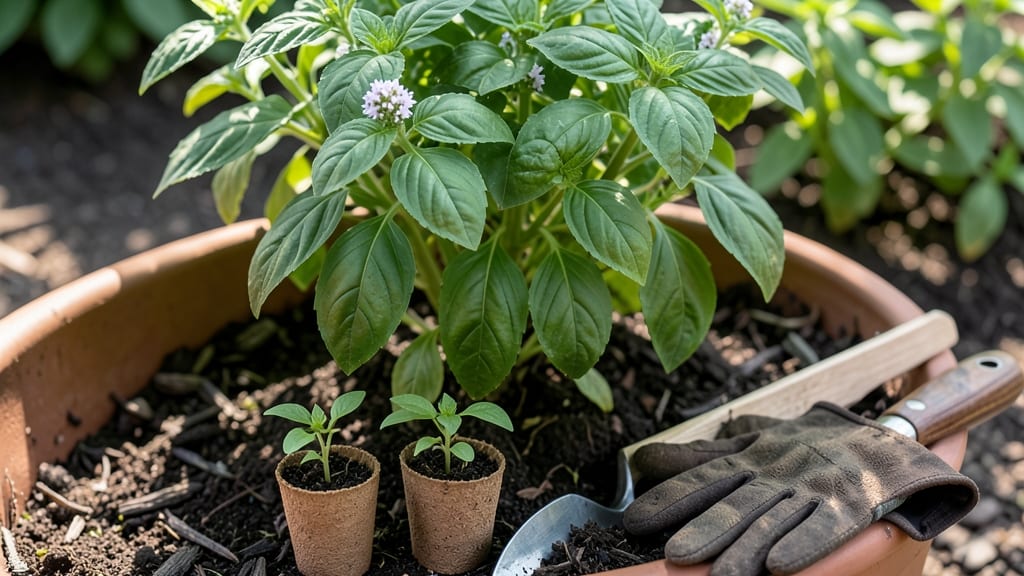
Timing your basil planting in Missouri can mean the difference between a thriving herb garden and a sad, frost-nipped failure. With Zone 5b-6a frost dates ranging from mid-March to mid-April, getting those seedlings in the ground too soon risks chilly setbacks, while waiting too long cuts your harvest short.
If you're a Missouri gardener, you know 🌿 basil loves warmth but hates cold snaps. The key is planting after your last frost date—typically between late April and early May—when soil temperatures hit at least 50°F.
But what if you want an earlier start? I’ll show you how to jumpstart your basil indoors 6-8 weeks before those frost-free deadlines.
This guide covers everything from zone-specific planting windows to extending your growing season with simple tricks. Whether you're a first-time gardener or a seasoned green thumb, you’ll learn the exact timeline to maximize your basil’s potential—because nobody wants to miss out on fresh pesto all summer long.
From choosing the right varieties to spacing plants for optimal growth, we’ll break down the most important steps so you can enjoy basil from June through September. Let’s get those seeds in the ground at the perfect moment!
Missouri basil planting timeline: Zone 5b vs 6a frost-free deadlines
Missouri’s USDA Zones 5b and 6a create distinct planting windows for basil—just 2-3 weeks apart. In Zone 5b, average last frost dates hover around April 15, while Zone 6a gardeners typically see frost-free conditions by April 1.
These dates mark the start of your 8-week race to harvest before summer’s 90°F+ heat stresses tender basil leaves.
Basil thrives as an annual in Missouri, meaning you’ll replant each spring. The key is timing: plant too early, and frost will kill seedlings; too late, and your harvest arrives when summer’s heat peaks.
For maximum yield, aim to transplant basil 2-3 weeks after your last frost date—when soil temperatures consistently reach 50°F+.
🌱 PRO TIP: Use a soil thermometer to confirm warmth before planting. Cold soil slows germination and invites disease.
| Zone | Last Frost Date | Ideal Transplant Window | Soil Temp Threshold | Harvest Window |
|---|---|---|---|---|
| Zone 5b | April 15 | May 1-15 | 50°F+ | June 15 - Sept 1 |
| Zone 6a | April 1 | April 15-May 1 | 50°F+ | May 30 - Sept 15 |
*Adjust dates 1-2 weeks earlier for southern Missouri or later for northern areas.
For Zone 5b gardeners, this means rushing to transplant by May 15 to ensure basil matures before summer’s heat. In Zone 6a, you’ve got a slightly longer window—plant by May 1 for peak harvests.
Both zones should avoid planting after June 1, as basil bolts (goes to seed) faster in 90°F+ temperatures.
Missouri’s humidity and summer heat demand quick action. Basil needs 6+ hours of sun daily and consistent moisture. In Zone 5b, late plantings may struggle by August due to heat stress, while Zone 6a gardeners can push harvests into early September with proper care.
🌡️ HEAT TIP: Mulch with straw to retain moisture and protect roots during Missouri’s 85°F+ afternoons.
If you’re starting basil indoors, begin seeds 6-8 weeks before your last frost date. For Zone 5b, that’s mid-February; for Zone 6a, late January. Use grow lights if natural light is limited, and harden off seedlings for 1 week before transplanting outdoors.
Missouri’s first frost typically arrives between October 15-30, ending your basil season. In Zone 6a, you might squeeze in a second planting of heat-tolerant varieties by July 15, but Zone 5b gardeners should stick to spring plantings for reliable harvests.
Always monitor local weather forecasts—unpredictable spring frosts can still occur. If frost threatens after transplanting, cover basil with a lightweight row cover or move pots indoors temporarily.
For maximum basil production, plan to harvest 4-6 weeks after transplanting. Regular pruning encourages bushier growth, and pinching back flower buds prevents bolting. With the right timing, Missouri gardeners can enjoy fresh basil from June through September—just don’t wait too long!
How to extend your basil season in Missouri: starter tips for early/late planting
Missouri’s short growing season doesn’t mean you have to miss out on fresh basil. With a few smart strategies, you can extend your harvest by 4-6 weeks on either end.
The trick? Start early indoors or protect late plants from fall chills. I’ve tested these methods in my own garden, and they work—even for beginners!
For early planting, begin seeds indoors 6-8 weeks before your last frost date (typically late February to early March). Use grow lights or a sunny windowsill to give seedlings a head start.
Harden them off for 1 week before transplanting after the last frost. This ensures you’re harvesting by early June instead of waiting until July.
Here’s how to maximize your basil’s growing window without fancy equipment:
- 📅 Start seeds indoors by February 15 for Zone 5b or March 1 for Zone 6a.
- Use seedling heat mats ($10-$15) to speed germination in cool homes.
- Transplant outdoors after soil hits 50°F—use a soil thermometer to check.
- Mulch with straw or leaves to keep roots warm and retain moisture.
For late-season basil, focus on protecting plants from fall frosts (which hit Missouri by mid-October). Use row covers or cold frames to extend harvests until Thanksgiving. I’ve kept basil alive until November with a simple hoop tunnel covered in frost cloth—just remove it during the day for airflow.
Another pro tip: Succession plant every 2-3 weeks from May through July. This ensures a steady supply of fresh basil all summer. For example, plant one batch on May 1, another on May 15, and a final one on June 1.
Each batch will mature at different times, giving you continuous harvests until frost.
Don’t forget container gardening! Basil thrives in pots, making it easy to move plants indoors before the first frost. Place them near a south-facing window or under grow lights for a winter harvest. Just reduce watering to every 2-3 days once growth slows in fall.
With these tricks, you’ll enjoy fresh basil from June through October—or even later! The key is planning ahead and protecting your plants when needed. Happy gardening! 🌿