
Companion Plants
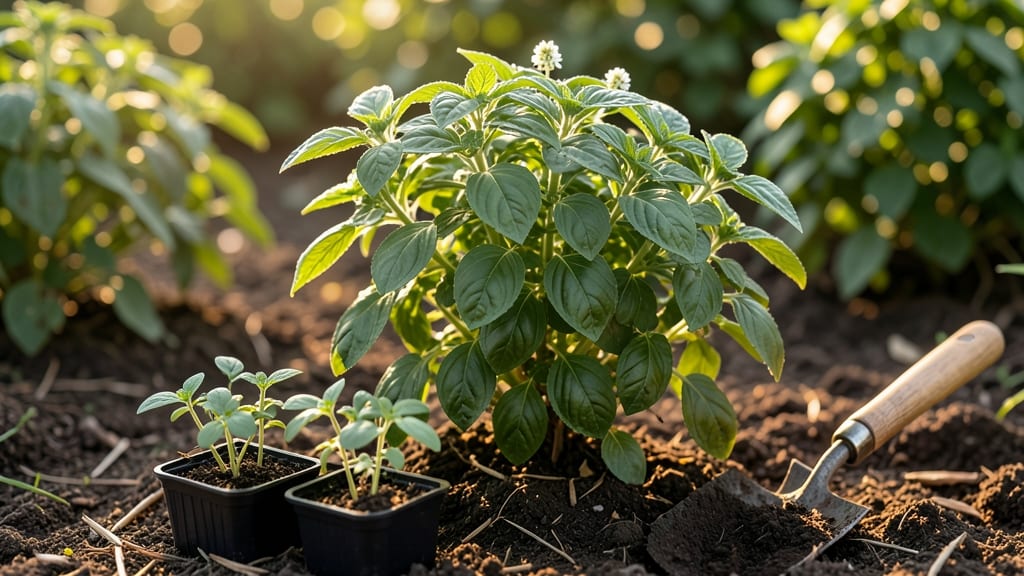
Timing your basil planting in Pennsylvania isn't just about waiting for spring—it's about catching that 15-day window between last frost and peak summer heat when your 🌿 thrives. Skip this sweet spot, and you risk leggy plants or stunted growth, no matter how much you love your garden.
In Pennsylvania's USDA Zone 6a, the average last frost hits around April 15, but don't rush—soil needs to warm to at least 50°F before basil's delicate roots can establish.
That means waiting until mid-May in most regions gives you the best shot at robust, flavorful plants ready for your kitchen by June.
Whether you're starting seeds indoors or sowing directly after the frost-free date, understanding your microclimate makes all the difference. Coastal areas near Philadelphia may warm faster than Pittsburgh's inland zones, so we'll break down exactly how to time your planting for maximum success—no guesswork required.
Let's dive into the exact strategies that'll have your basil growing strong, from container setups to ground planting, so you can enjoy fresh leaves from June through September without a single bolt in sight.
Pennsylvania’s frost dates and basil planting zones
Pennsylvania’s USDA hardiness zones 5-7 create a diverse planting landscape, where last frost dates can vary by 2-3 weeks between regions. In Philadelphia, the average last frost typically hits around April 15, while Pittsburgh often waits until May 1.
Even within the same zone, microclimates near bodies of water or urban heat islands can shift your planting window by 7-10 days.
For basil, which hates frost, this means timing isn’t just about dates—it’s about soil temperature and weather patterns. Basil seeds won’t germinate well in cold soil (below 50°F), and young plants can’t survive even a light frost.
That’s why I always recommend using a 2-week buffer after your region’s average last frost date to account for late cold snaps.
Here’s how to find your exact planting window: Check the National Oceanic and Atmospheric Administration’s (NOAA) frost maps for your county, then cross-reference with local gardeners’ reports on platforms like Gardeners.com.
For example, Allentown’s last frost often lands on April 22, giving you a May 6 target for direct sowing—if you’re brave enough to risk it!
Pro tip: Use biodegradable seed starter pots if you’re planting near the edge of your frost-free date. These let you transplant without disturbing roots if a late frost hits. I’ve used them successfully in Zone 6b to extend my growing season by 10-14 days.
| Region | Avg. Last Frost | Safe Planting Window | Soil Temp. Ready |
|---|---|---|---|
| Philadelphia | April 15 | May 1 - May 15 | ≥55°F |
| Pittsburgh | May 1 | May 15 - May 30 | ≥50°F |
| Allentown | April 22 | May 6 - May 20 | ≥52°F |
| Erie | April 28 | May 12 - May 25 | ≥53°F |
*Note: Adjust for urban heat islands (+3-5 days earlier) or lake-effect cooling (-5-7 days later).
If you’re in Zone 5 (like parts of northeastern PA), I recommend starting basil indoors 6-8 weeks before your last frost date. This gives you a 4-inch-tall seedling ready to transplant by May 15, when soil temperatures finally stabilize.
For Zone 7 areas (like southern PA), you can often direct-sow after April 20, but monitor nighttime temps—below 50°F can stunt germination.
One mistake I see often? Planting too early in clay-heavy soils common in PA. Cold, wet clay locks out roots and causes rot. Always test your soil’s drainage by digging a 6-inch hole, filling it with water, and timing how long it takes to drain.
If it’s still soggy after 24 hours, amend with compost or sand before planting.
For container growing, which is perfect for urban PA gardeners, use black pots—they absorb heat and warm up faster in spring. Place containers in south-facing spots to give your basil a head start on warmth.
I’ve had success with 5-gallon pots in Zone 6b, extending my harvest by 3-4 weeks compared to in-ground planting.
Remember: Basil’s flavor peaks when grown in warmth. If you plant too early, you’ll get small, bitter leaves instead of the sweet, aromatic basil you crave. That’s why I always wait until nighttime temps stay above 55°F—even if it means starting indoors.
Indoor starts vs. direct outdoor planting: which works best in PA?
Deciding whether to start basil indoors or plant directly outdoors in Pennsylvania depends on your patience and microclimate. Both methods work, but each has trade-offs that affect germination success and flavor intensity.
Let’s break down the pros and cons to help you choose the best approach for your garden.
Starting basil indoors 6-8 weeks before your last frost date (typically mid-April in PA) gives you a head start. This method is ideal if you live in Zone 6a areas like Pittsburgh or Zone 7a like Philadelphia, where early springs can be unpredictable.
Indoor starts also help you avoid soil-borne diseases common in PA’s heavy clay soils.
Indoor Starts vs. Direct Outdoor Planting
| Factor | Indoor Starts | Direct Outdoor |
|---|---|---|
| Germination Success | 90%+ (controlled environment) | 70-80% (weather-dependent) |
| Flavor Intensity | Milder (less sun exposure) | Bolder (full sun adaptation) |
| Time to Harvest | 6-8 weeks earlier | 4-6 weeks longer |
| Best For | Short seasons, urban gardens | Long summers, warm microclimates |
If you opt for direct outdoor planting, wait until after your last frost date—typically May 15th in most of PA. This method works best in southern PA (like Lancaster) where warmer microclimates extend the growing season.
Direct-sown basil often develops a stronger flavor because it adapts to full sun and local conditions from the start.
For container gardening, indoor starts are your best bet. Pots warm up faster in spring, and you can move them indoors if frost threatens. If you’re planting in raised beds, direct sowing after May 15th reduces transplant shock. Just be prepared to use row covers for late frosts.
Pro tip: If you’re unsure, try both! Start a few seeds indoors in late March and sow others directly in late May. This hedging strategy ensures you’ll have basil ready for summer recipes and pesto-making no matter what Mother Nature throws your way.