
Planting
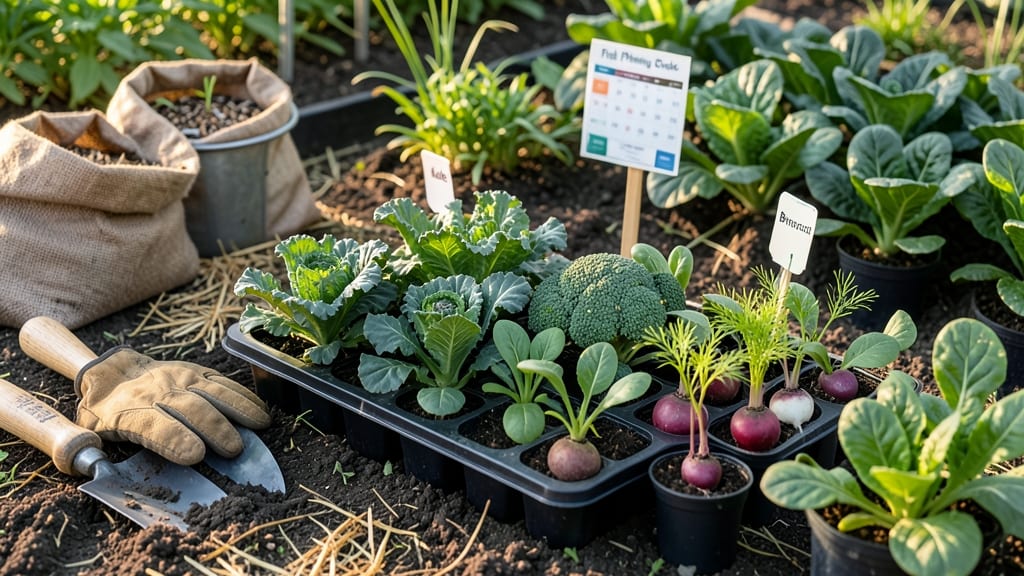
When to plant a fall garden in North Texas can mean the difference between a bumper crop and a frost-wiped disappointment. With the right schedule, you’ll enjoy crisp greens, sweet potatoes, and fresh herbs well into December—without the guesswork.
The key lies in understanding your local frost dates and soil conditions. North Texas gardeners in zones 7b-8a have a narrow window—typically between mid-August and early October—to plant cool-season crops before temperatures drop. Miss this window, and you risk bolting plants or early frost damage.
I’ve tested these strategies over years of North Texas gardening, and the results speak for themselves: harvests that last and fewer wasted seeds. Whether you’re a beginner or a seasoned grower, these exact planting timelines will help you maximize your garden’s potential.
Let’s break down the perfect planting schedule, from soil prep to frost-proofing your crops, so you can enjoy fresh produce straight from your backyard until winter sets in.
North Texas fall planting timeline: exact weeks before first frost for peak harvests
North Texas gardeners face a unique challenge with its hot summers and unpredictable fall weather. The key to a successful fall garden lies in understanding your local frost dates and planting at the right time.
Dallas-Fort Worth typically sees its first frost around November 15-20, while Waco and Amarillo may experience frost 2-3 weeks earlier.
For maximum yield, most cool-season vegetables should be planted 8-10 weeks before your average first frost date. This means starting seeds indoors or transplanting seedlings in mid-August to early September for most North Texas regions.
However, some hardy crops like kale and spinach can handle cooler temperatures and may be planted slightly later.
Your soil temperature is just as critical as air temperature. Ideal soil temps for fall planting range between 60-70°F. Use a soil thermometer to check before planting. If your soil is still too warm, wait a few days or use shade cloth to cool it down.
Here’s how to calculate your planting window: subtract 8-10 weeks from your first frost date. For example, if your frost date is November 20, aim to plant by September 10-15.
Adjust for your specific crop’s days to maturity—leafy greens like lettuce need 30-50 days, while root vegetables like carrots require 60-80 days.
| Crop Type | Planting Window (North Texas) | Days to Maturity | Notes |
|---|---|---|---|
| Leafy Greens (Lettuce, Spinach, Kale) | Late August - Mid-September | 30-50 days | Bolt-resistant varieties preferred |
| Root Vegetables (Carrots, Radishes, Beets) | Mid-August - Early September | 60-80 days | Loose, well-drained soil essential |
| Brassicas (Broccoli, Cauliflower, Cabbage) | Early September - Mid-September | 50-70 days | Start seeds indoors for earlier harvest |
| Herbs (Cilantro, Parsley, Dill) | Late August - Early October | 30-60 days | Cilantro bolts quickly in heat |
| Flowers (Pansies, Snapdragons, Calendula) | Mid-September - Early October | 45-60 days | Cold-hardy varieties thrive in fall |
Don’t overlook the importance of succession planting in your fall garden. By staggering plantings every 2-3 weeks, you ensure a continuous harvest. For example, plant a batch of lettuce every 10 days in late August and early September to enjoy fresh greens until frost.
Pay attention to your microclimates. Areas near buildings or fences may stay warmer longer, allowing for later plantings. Conversely, open fields or elevated areas can experience frost earlier. Use these microclimates to your advantage by planting heat-sensitive crops in protected spots.
For transplants, purchase healthy seedlings from a local nursery in early September. Avoid overcrowding—follow spacing guidelines on seed packets to prevent disease and competition. Harden off seedlings for 7-10 days before transplanting to help them adjust to outdoor conditions.
Always keep an eye on the weather forecast in the days leading up to your planting. A sudden cold snap can delay planting or even damage young seedlings. If frost threatens before your crops are established, use row covers or cold frames to protect them.
With these timing guidelines, you’ll be well on your way to a productive and delicious North Texas fall garden. Happy planting! 🌱
How to extend your North Texas fall garden season with smart techniques
North Texas falls are unpredictable—one day it’s 75°F, the next a 30°F surprise. But with the right strategies, you can protect your crops and extend harvests well past the first frost.
I’ve used these techniques in my own garden to keep greens growing until December, even in USDA Zone 8a.
The secret? Combining cold-hardy varieties, season-extending tools, and smart planting schedules. For example, spinach and kale can survive light frosts, while broccoli and carrots thrive in cooler temps. Pair these with protective layers, and you’ll harvest longer.
Here’s how to make it work in your North Texas garden:
Opt for cold-hardy crops like ‘Winterbor’ kale, ‘Purple Top’ turnips, or ‘Tendergreen’ spinach. These handle 25°F temps better than standard varieties.
Lightweight floating row covers add 4-8°F of protection. Drape them over seedlings in late September to shield from sudden cold snaps.
Raised beds warm up faster in spring and stay cooler in fall. This gives roots 2-3 extra weeks of growing time before frost.
Stagger plantings of lettuce and radishes every 10-14 days from mid-August to early October. This ensures a steady harvest.
South-facing beds absorb more sunlight, delaying frost damage. Avoid shaded areas where temps drop faster.
Don’t forget to mulch heavily in late October to insulate soil and roots. Straw or shredded leaves work best—just keep them 3-4 inches deep. I’ve seen 30% longer harvests in mulched beds compared to bare soil.
With these techniques, you’ll turn North Texas’s short fall into a long, productive growing season. Start with just one or two strategies, and expand as you gain confidence. Your winter table will thank you!