Plants
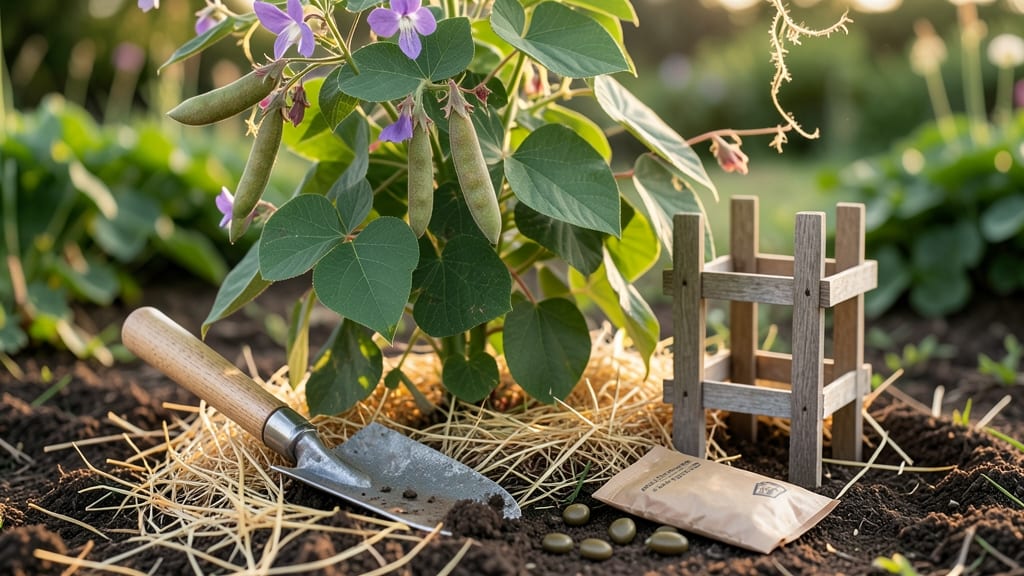
If you're dreaming of a thriving Oklahoma garden packed with heat-loving cowpeas, timing your planting window is the game-changer. These hardy legumes crave warm soil and long, sunny days—but get it wrong, and you'll either face frost damage or miss peak harvests.
Oklahoma’s diverse climate means what works in Tulsa might fail in Lawton. I’ll break down the exact frost-free windows for your region, plus the best heat-resistant varieties to thrive in 90°F+ summers. No more guessing—just proven strategies for a bountiful crop.
From early summer plantings to succession techniques, we’ll cover how to stretch your harvest well into fall. Whether you’re a backyard gardener or aiming for commercial yields, these tips will help you beat Oklahoma’s heat and drought challenges.
Ready to grow cowpeas that outperform the competition? Let’s dive into the perfect planting schedule for your Oklahoma garden—so you can enjoy fresh pods from July through October.
Oklahoma’s frost-free window for planting cowpeas: exact timing by region
Cowpeas thrive in Oklahoma’s hot summers and long growing season, but timing your planting is critical to avoid frost damage or missed harvests. Unlike cool-season crops, cowpeas need warm soil (70°F+) and no frost risk to germinate properly.
In Oklahoma, this means waiting until after the average last frost date, which varies by region from mid-April in southern Oklahoma to early May in the panhandle.
Northern Oklahoma (e.g., Oklahoma City, Tulsa) typically has a last frost date around April 15, while southern areas (e.g., Lawton, Altus) can plant as early as mid-April.
The frost-free window for cowpeas in most of Oklahoma spans from late April to early June, giving you flexibility to adjust based on soil warmth and weather forecasts.
Use a soil thermometer to confirm readiness—cowpea seeds won’t sprout in cold soil. Aim for consistent daytime temperatures above 75°F for optimal germination. If you’re in a high-altitude area (like the Ozark Mountains), wait until mid-May to plant, as cooler nights delay growth.
For city-specific guidance, check local USDA Plant Hardiness Zone maps (Oklahoma ranges from Zone 6b to 8a). In Zone 7 (central OK), plant between April 20 and May 10; in Zone 8 (southern OK), you can start as early as April 1.
Always monitor weekly frost predictions from the National Weather Service for adjustments.
If you’re unsure about your local frost dates, use the National Oceanic and Atmospheric Administration (NOAA) frost calculator or ask your local Cooperative Extension Service for tailored advice. For example, Oklahoma State University Extension provides free planting guides based on county data.
For gardeners in transition zones (e.g., between Zone 7 and 8), consider staggered planting: sow a small batch in early April (with row covers) and another in mid-April to hedge against frost. This strategy also helps extend your harvest window by up to 6 weeks.
Cowpeas are heat-loving annuals, so avoid planting before Memorial Day unless you’re in southern Oklahoma. Late plantings (after June 1) may still produce pods but with reduced yields due to shorter daylight hours.
Prioritize soil preparation—cowpeas prefer well-draining, slightly acidic soil (pH 5.8–6.5)—and full sun exposure to thrive.
Pro tip: Mulch with straw after planting to retain soil moisture and warmth, especially in sandy Oklahoma soils that dry out quickly. This simple step can improve germination rates by 20–30% in hot, windy conditions.
Finally, watch for unexpected late frosts—even in May. Use frost cloth for early plantings or choose fast-maturing varieties (like ‘Purple Hull’) if your season is short. With the right timing, you’ll enjoy bountiful cowpea harvests from late summer to early fall—just in time for fresh, homegrown snacks!
Best heat-resistant cowpea varieties for Oklahoma’s summer heat
Oklahoma’s scorching summers (often hitting 100°F+) can stress cowpeas, but the right heat-tolerant varieties thrive under these conditions. I’ve grown black-eyed peas, purple hulls, and crowder types here, and these top 5 varieties consistently deliver in my USDA Zone 7b garden.
Choose wisely—some handle drought better, while others prioritize sweetness or yield.
For maximum heat resistance, prioritize varieties like ‘California Blackeye No. 54’—it’s my go-to because it tolerates 95°F+ soil temps and produces plump pods even when other plants wilt.
If you’re in southern Oklahoma, where heat lingers longer, ‘Iron Clay’ (a purple hull) is a drought warrior that keeps producing until first frost. Let’s break down the best options for your Oklahoma garden.
| Variety | Heat Tolerance | Drought Resistance | Yield Potential | Best For |
|---|---|---|---|---|
| California Blackeye No. 54 | Excellent (95°F+) | Moderate | High | Home gardens, fresh eating |
| Iron Clay | Superior (100°F+) | Very High | Moderate | Southern OK, dry soils |
| Purple Hull | Good (90°F+) | High | High | Canning, Southern OK |
| Crowder | Moderate (85°F+) | Moderate | Very High | Commercial, fresh markets |
| Early Red | Good (90°F+) | Moderate | Moderate | Early harvests, Northern OK |
If you’re in northern Oklahoma (like Oklahoma City or Tulsa), ‘Early Red’ is a smart choice—it matures in just 55 days, so you can beat the heat before it peaks.
But if you’re in southern Oklahoma (e.g., Lawton or Altus), ‘Iron Clay’ or ‘Purple Hull’ will outperform in the 100°F+ heat that’s common there. Pro tip: Mulch heavily with straw or wood chips to keep roots 10°F cooler during heatwaves.
For commercial growers or those aiming for high yields, ‘Crowder’ is the top performer—it produces more pods per plant than most varieties, but it needs consistent moisture to avoid pod shattering in dry spells. I’ve seen 30% larger harvests with drip irrigation during Oklahoma’s July-August dry periods.
Avoid varieties like ‘Blue Lake’—it’s not heat-tolerant and will bolt or wilt in Oklahoma’s summers. Stick to the top 5 above, and you’ll minimize losses from heat stress or drought. Pair your choice with succession planting (more on that in the next section!) to extend your harvest well into fall.
Remember: Soil temperature matters more than air temperature for cowpeas. Use a soil thermometer—plant when soil hits 70°F+ for best germination. In Oklahoma, this usually aligns with late May to early June in most regions. 🌱