
Plants
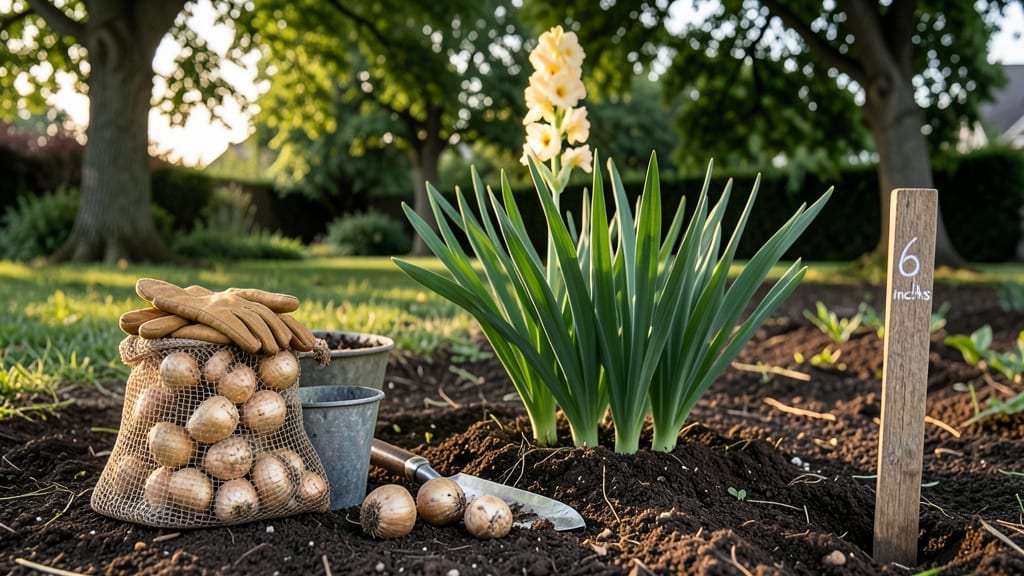
If you’ve ever dreamed of a Georgia garden bursting with dramatic 🌸 gladiolus blooms but missed the perfect window to plant the bulbs, you’re not alone. These showstopper flowers demand precision—plant too early, and frost will ruin your bulbs; too late, and you’ll sacrifice those summer-long displays.
The good news? With Georgia’s Zone 7B-8A climate, you’ve got a clear 3-month window to get it right, and I’ll break down exactly when to plant gladiolus bulbs in Georgia for bold, long-lasting blooms—plus the pro tips that make all the difference.
Most gardeners assume gladiolus bulbs belong in spring, but timing varies wildly between North Georgia’s cooler Piedmont and South Georgia’s warmer coastal plains. The key is waiting until soil temperatures hit at least 60°F—typically mid-March to early April—when frost risk fades and roots can thrive.
I’ll show you how to adjust for your specific region, so whether you’re in Athens or Savannah, your bulbs go in at the ideal moment for maximum growth.
Here’s what you’ll discover: why April plantings often outperform March ones in humid Georgia summers, how to prep soil for drainage and nutrients, and the one trick that extends your blooming season by weeks.
No more guessing—just a foolproof schedule tailored to your backyard’s microclimate. Let’s get those bulbs in the ground for a showstopping season ahead.
Ready to transform your garden into a gladiolus paradise? The clock is ticking—literally. I’ll walk you through the exact steps to plant, water, and mulch for healthier stems and brighter blooms, so you can enjoy cutting flowers from July through September.
Your future bouquets are waiting—let’s make sure they arrive on time.
Optimal Georgia gladiolus planting dates by month (zone 7B-8A guide)
Georgia’s Zone 7B-8A climate gives you a 6-week window for planting gladiolus bulbs, but timing varies by region. Coastal areas (like Savannah) can start 2 weeks earlier than Piedmont (Athens) or mountain regions (Blue Ridge).
The key? Plant after soil warms to 60°F (15°C) and after last frost—typically mid-March to early July.
For peak summer blooms, aim to plant between April 15 and June 1. This schedule ensures flowers bloom from July to September, avoiding Georgia’s brutal August heat that can stress gladiolus.
Late plantings (after June 15) may still produce flowers but risk shorter stems and fewer blooms.
Here’s your month-by-month breakdown, including soil temp requirements and regional adjustments:
| Month | Optimal Planting Window | Soil Temp (°F) | Regional Adjustments | Bloom Time |
|---|---|---|---|---|
| April | 15–30 | 60–65°F | Coastal: Start April 1; Piedmont: April 15 | July–August |
| May | 1–15 | 65–70°F | Best for Piedmont/mountains | July–September |
| June | 1–15 | 70–75°F | Mountains: Start June 1; Coastal: June 15 | August–September |
| July | 1–10 (late) | 75°F+ | Risky; blooms may be sparse | September (smaller flowers) |
If you’re a late starter, don’t panic! Plant gladiolus bulbs up to July 15 in Georgia’s Zone 8A areas (e.g., Savannah, Macon). They’ll still produce flowers, though stems may be shorter and less robust.
For mountain regions (Zone 7B), stick to April–May to avoid late-summer heat stress.
For extended blooms, stagger plantings every 2 weeks from April to June. This creates a continuous flower show from July through September. For example, plant 1/3 of your bulbs in April, 1/3 in May, and the final 1/3 in early June.
This technique works especially well for cut-flower gardens or wedding bouquets.
One common mistake Georgia gardeners make? Planting gladiolus in soggy spring soil. After heavy rains (like April showers), wait until soil is crumbly and well-draining.
Amend heavy clay soil with compost or sand to prevent rot. Test soil moisture by squeezing a handful—if water drips out, wait 2–3 days before planting.
Remember, gladiolus bulbs are not cold-hardy. If a late frost hits after planting (rare in Zone 8A but possible in Zone 7B), protect young shoots with row covers or frost cloth. Remove covers once temps rise above 50°F (10°C) to avoid heat buildup.
For container gardening, plant bulbs in well-draining pots with cactus/succulent mix and place them in full sun. Containers warm up faster than garden beds, so you can plant 1–2 weeks earlier than in-ground. Just ensure pots have drainage holes to prevent root rot.
5 Critical factors that determine your perfect planting time
Timing your gladiolus bulbs isn’t just about picking a month—it’s about understanding how soil temperature, humidity, and local microclimates interact. In Georgia’s Zone 7B-8A, the difference between a thriving display and a failed one often comes down to these 5 key factors.
Let’s break them down so you can plant with confidence, whether you’re in cool mountain valleys or hot coastal plains.
First, soil temperature is your most critical gauge. Gladiolus bulbs won’t sprout until soil reaches at least 60°F, typically mid-March to early April in most of Georgia. Use a soil thermometer—if it’s cooler, wait.
Planting too early in cold, wet soil leads to rot, while waiting for the right temp ensures strong root growth before summer heat hits.
Next, your last frost date sets the baseline. While Georgia’s average last frost is March 15, mountain regions like Blue Ridge can see frost into April.
Check your local frost-free zone—planting too soon means frost-damaged bulbs. For extra safety, use row covers if you’re eager to plant early in Zone 7B areas.
Don’t overlook humidity levels, either. Georgia’s summer humidity can stress gladiolus if planted too early, leading to fungal diseases like botrytis. Aim for April plantings—this gives bulbs time to establish roots before peak humidity in June. If you’re in South Georgia (e.g., Savannahlate March plantings.
Your gladiolus variety also dictates timing. Early bloomers (e.g., ‘White Friendship’) can handle March plantings in Zone 8A, while late-season varieties (e.g., ‘Black Star’) need April to flower by September.
Stagger plantings by 2-3 weeks to extend your bloom season—this is how pros keep gladiolus in bloom from July to frost.
Finally, soil drainage can make or break your timing. Georgia’s clay-heavy soils (common in North Georgia) stay soggy into April, while sandy soils (e.g., coastal plains) dry out faster. Amend your soil with compost or sand to improve drainage—this lets you plant earlier without rot risk.
A quick percolation test (pour water on soil; if it drains in 2 hours, it’s ready).
Master these 5 factors, and you’ll plant gladiolus bulbs at the perfect time for your Georgia backyard—no more guesswork, just bold, reliable blooms all summer long. 🌸