
Plants
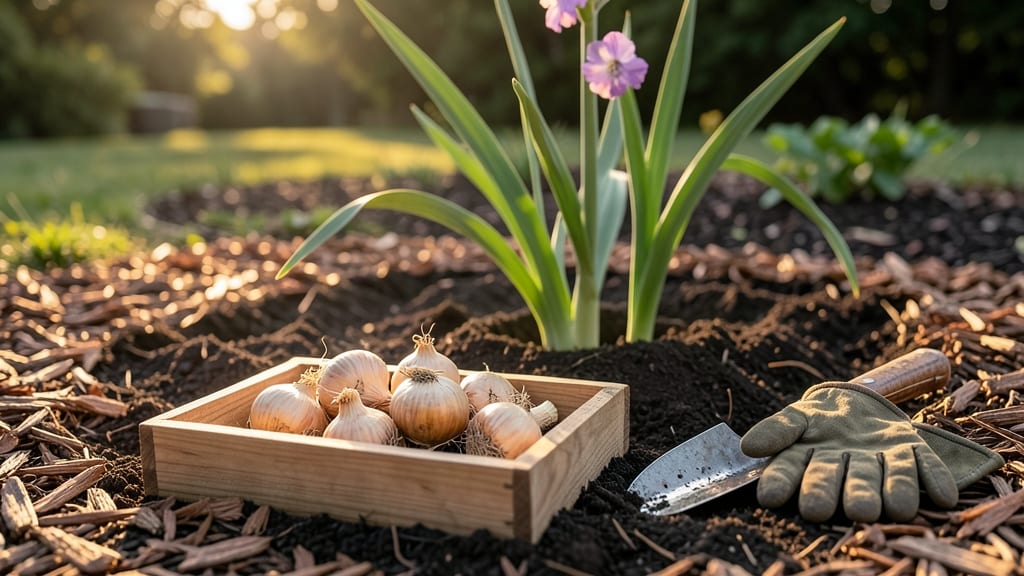
Timing your Gladiolus 🌸 planting in North Carolina isn't just about avoiding frost—it's about beating the heat before it beats your bulbs. Plant too early, and you risk soggy soil and rot; too late, and your summer-blooming stars might never reach their full glory.
For gardeners in zones 6b-8a, the sweet spot is mid-to-late spring, once soil temperatures hit a steady 60°F and the last frost has faded into memory. But here's the catch: North Carolina's microclimates—from coastal humidity to mountain coolness—can shift your ideal window by weeks.
I'll break down exactly when to dig in for your specific zone, plus how to adjust for local weather quirks. Whether you're in the Piedmont's heat or the mountains' cooler air, these tips will help you maximize blooms without the guesswork.
Ready to grow heat-resistant gladiolus that steals the show? Let's get your planting calendar locked in before the dog days arrive.
North Carolina gladiolus planting deadlines by USDA Zone (heat tolerance guide)
Gladiolus bulbs thrive in North Carolina’s USDA Zones 7b-8a, but timing is critical due to the state’s humid heat and late frosts. Planting too early risks rot from cold, wet soil, while late planting may result in stunted blooms before fall’s first frost.
Your last frost date (typically mid-April) and soil temperature (aim for 60°F or warmer) are your best guides.
Most North Carolina gardeners plant gladiolus 2-3 weeks after the last frost, usually in late April to early May. However, late summer planting (August) is also possible for extended fall blooms, especially in Zone 8a areas with milder winters.
Always prioritize well-draining soil to prevent bulb rot during the state’s hot, rainy summers.
| USDA Zone | Last Frost Date | Ideal Planting Window | Soil Temp Requirement | Heat Tolerance Notes |
|---|---|---|---|---|
| 7b (Mountains) | April 15-May 1 | Late April-May | 60°F+ | Cooler nights; plant early for full blooms. |
| 8a (Piedmont) | March 15-April 1 | Late April-Early June | 60°F+ | Hot summers; avoid late planting. |
| 8a (Coastal) | February 15-March 15 | March-April or August | 65°F+ | Extended growing season; late summer planting works. |
For Zone 7b gardeners in the mountains, aim for late April to May planting. The cooler nights help prevent heat stress on emerging shoots. In contrast, Zone 8a Piedmont areas should plant by early June at the latest—delaying risks bolting (premature flowering) due to summer heat.
Coastal Zone 8a gardeners have the most flexibility. Plant in March-April for spring blooms or August for fall displays. However, avoid planting in July-August unless you’re in a shaded microclimate, as soil temperatures can exceed 85°F, causing bulb rot.
Use a soil thermometer to confirm 60°F+ soil temps before planting. In southern NC, this often means waiting until mid-May. For container gardening, plant 1-2 weeks earlier since pots warm up faster than in-ground soil.
Pro tip: If your area experiences unpredictable late frosts (like Asheville or Boone), wait until May 15 to plant. Use frost cloth if nighttime temps dip below 40°F after planting.
Gladiolus corms need 6-8 hours of full sun daily, but afternoon shade (via lattice or mesh) can help in Zone 8a’s intense summer sun. Pair heat-tolerant varieties like 'Red Beauty' or 'Green Star' for better success in humid NC summers.
Always plant corms 4-6 inches deep and 6 inches apart. In heavy clay soil (common in Piedmont), amend with compost or sand to improve drainage. Mulch with straw or pine needles to retain moisture during NC’s dry spells.
Monitor your gladiolus for thrips (common in NC) and botrytis rot from overhead watering. A neem oil spray prevents pests, while drip irrigation keeps foliage dry.
North Carolina gladiolus planting deadlines by USDA Zone (heat tolerance guide)
North Carolina spans USDA zones 6b-8a, and your gladiolus planting window shifts dramatically between these zones. In zone 6b (mountains), you can start as early as late April when soil hits 60°F, while zone 8a (coastal) may wait until mid-May to avoid heat stress.
The key is planting 2-3 weeks after last frost—typically April 15-May 1 for most of the state. But here's the catch: gladiolus bulbs hate soggy soil and overheating. If your area hits 85°F+ before blooms form, your flowers will bolt or wilt.
I’ve mapped out exact deadlines below, including soil temperature thresholds and heat tolerance tips to keep your gladiolus thriving through North Carolina’s brutal summers.
Pro tip: For zone 8a, consider late-summer planting (August) for a fall bloom before frost. Just dig corms 6 inches deep and water deeply to establish roots before cooler weather arrives.
Miss the spring window? Don’t panic—gladiolus can handle early summer planting, but rush to get them in by June 15 to avoid heat stress. Your goal is to give roots 6-8 weeks to establish before summer’s peak.
Need a quick check? Use your frost-free days as a guide: Aim for 180-220 days of warmth from planting to first frost for full blooms.