
Plants
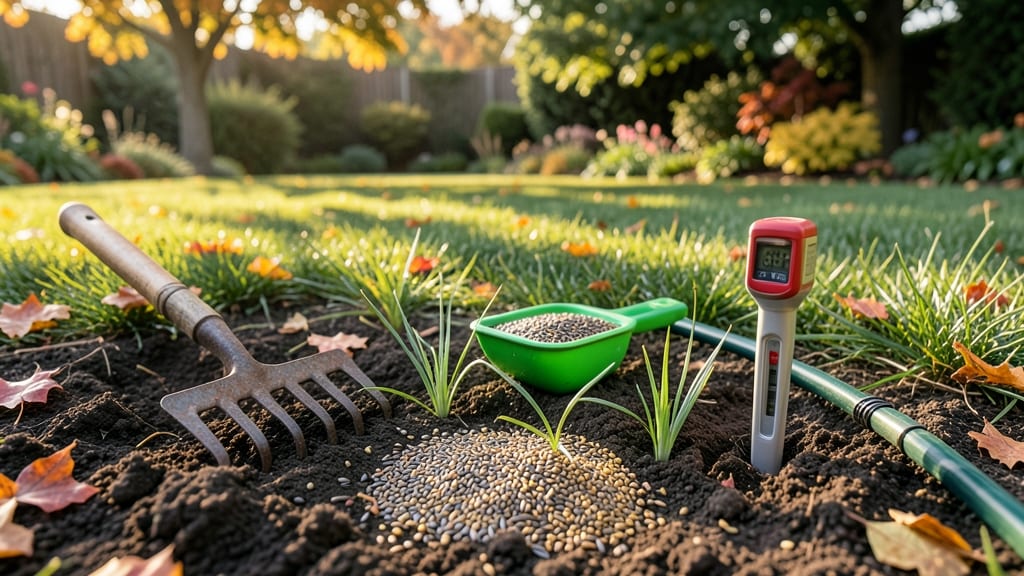
The best time to plant grass seed in North Carolina isn’t just a guess—it’s a science-backed window that makes all the difference between a patchy lawn and a lush, green carpet. 🌱 With USDA zones 6a-8b bringing warm springs and mild falls, timing your seed drop matters more than you might think.
If you’ve ever stared at a seed packet wondering, "Why does the calendar matter so much?"—here’s the short answer: cool-season grasses like tall fescue thrive when soil temps hover between 55°F and 75°F. That means early spring (March-April) and late summer/early fall (August-September) are your golden opportunities.
But here’s the kicker: planting too early or too late can leave your grass vulnerable to heat stress, weeds, or frost. I’ll break down exactly how to align your schedule with North Carolina’s climate—so you skip the trial-and-error and get straight to a lawn that’s the envy of the neighborhood.
Ready to turn your patchy yard into a thick, vibrant lawn? Let’s dive into the optimal planting windows, regional tweaks, and pro tips that’ll have your grass growing like it’s on a caffeine high.
Optimal planting windows for North Carolina grass seed: cool-season vs warm-season timing
North Carolina’s diverse climate zones (6a-8b) mean the best time to plant grass seed depends on whether you’re growing cool-season or warm-season grasses. Cool-season types like tall fescue and Kentucky bluegrass dominate the state’s lawns, while warm-season grasses like Bermuda and Zoysia thrive in southern regions.
Let’s break down the ideal planting windows for each.
For cool-season grasses, the golden window is early spring (March-April) and late summer/early fall (August-September). These months offer moderate soil temps (55°F-75°F), reducing stress on young seedlings. Planting in late fall (October-November) risks frost damage, while late spring (May-June) brings heat stress before roots establish.
Warm-season grasses, however, prefer late spring (May-June) when soil temps consistently stay above 70°F. Planting them in early summer gives them a 6-8 week head start before winter dormancy. Avoid planting warm-season grasses in fall—they won’t germinate in cooler temps.
Here’s how North Carolina’s three distinct regions tweak these windows: Coastal Plain areas (e.g., Wilmington) can plant 1-2 weeks earlier due to milder winters, while Mountain regions (Asheville) may delay until mid-April to avoid late frosts. Piedmont zones (Raleigh) generally follow the statewide average.
🌱 Pro Tip: Use a soil thermometer to confirm temps—cool-season seeds need 55°F+, while warm-season seeds require 65°F+. Check local frost dates (e.g., November 15 in Zone 6a) to avoid planting too close to winter.
| Grass Type | Best Planting Window | Soil Temp Range | NC Region Fit |
|---|---|---|---|
| Tall Fescue (Cool-Season) | Early Spring (March-April) or Late Fall (Aug-Sept) | 55°F–75°F | Statewide (6a-8b) |
| Kentucky Bluegrass (Cool-Season) | Late Summer (Aug-Sept) | 60°F–70°F | Piedmont/Mountains |
| Bermuda (Warm-Season) | Late Spring (May-June) | 70°F+ | Coastal Plain/Southern Piedmont |
| Zoysia (Warm-Season) | Early Summer (June) | 65°F+ | Statewide (dormant in winter) |
If you’re planting in early spring, aim for March-April—just after the last frost (typically March 20 in Zone 7a). This gives seedlings 6-8 weeks of growth before summer heat arrives. For fall planting, August-September is ideal because cooler temps reduce weed competition and stress on young grass.
Warm-season grasses like Bermuda need consistent warmth, so wait until mid-May in most of NC. In Zone 8b (e.g., Fayetteville), you can push this to early April, but avoid planting before soil temps hit 65°F—otherwise, seeds may rot.
🌿 Regional Hack: Check your local Cooperative Extension Service for hyper-local frost data. For example, Asheville (Zone 7a) often has 2 weeks later last frosts than Raleigh (Zone 7b), delaying ideal planting by 7-10 days.
Finally, overseeding (adding new seed to an existing lawn) follows the same rules. For cool-season grasses, late summer is best—it fills in thin spots before winter. Warm-season grasses don’t overseed well, so focus on repairing bare patches in spring with sod or hydroseeding.
✂️ Action Step: Mark your calendar for March 15-April 15 (spring) or August 15-September 15 (fall) and prep your soil 2 weeks early for a flawless lawn transformation.
North Carolina-specific factors that affect grass seed planting success
North Carolina’s diverse climate—from the humid Coastal Plain to the cooler mountainous regions—means planting timing isn’t one-size-fits-all. Even within USDA zones 6a-8b, microclimates can shift your ideal window by weeks.
For example, Asheville’s cooler temps might favor late April planting, while Raleigh’s heat could push you toward early September.
Soil temperature is your #1 guide. Use a soil thermometer ($10 at garden centers) to confirm 55°F-75°F for cool-season grasses like tall fescue. In zone 8b (Coastal NC), this often means August-September, while zone 6a (mountains) might lean toward late April-May.
Pro tip: Check temps at 4-inch depth—surface temps can be misleading.
| Region | Ideal Planting Window | Key Consideration |
|---|---|---|
| Coastal Plain (Zone 8a-8b) | Late August–Early September | Humidity + heat stress risk |
| Piedmont (Zone 7a-7b) | Early April–Late April | Moderate rainfall + frost risk |
| Mountains (Zone 6a-6b) | Late April–Early May | Cooler soils + shorter growing season |
Rainfall patterns also play a role. The Piedmont’s spring rains can make March planting risky (seed may rot), while Coastal NC’s summer humidity demands daily watering if you plant in August.
Check your local NOAA climate data for 30-day forecasts—aim for weeks with consistent 1-inch rainfall or plan to irrigate.
Don’t overlook weed competition, either. Warm-season weeds like crabgrass explode in April-May, while clover thrives in fall’s cooler temps. Pre-emergent herbicides (applied 2 weeks before planting) can buy you time, but organic gardeners should hand-pull weeds aggressively in the weeks leading up to seeding.
For warm-season grasses (Bermuda, Zoysia), shift your focus to late spring (May-June) when soil temps hit 70°F+. These grasses dormant in winter, so planting in fall would leave them vulnerable to freeze damage. Use a shade cloth if early summer heat arrives before your seed germinates.
Final pro tip: Test your soil pH (ideal range: 6.0-7.0 for most grasses). North Carolina’s clay-heavy soils often need gypsum or lime to adjust pH—do this 4-6 weeks before planting to avoid burning tender seedlings. 🌱