
Companion Plants
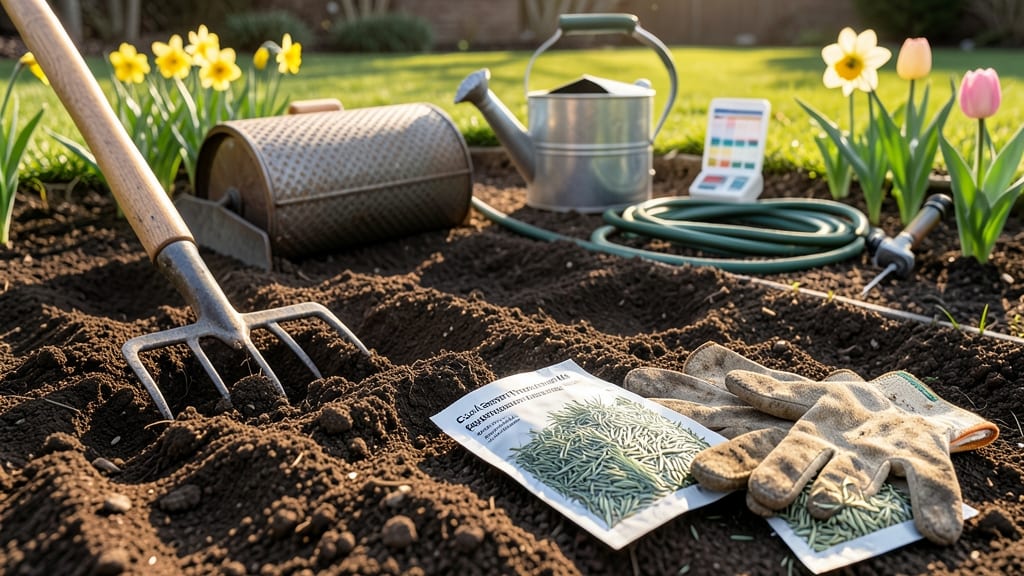
Timing your spring grass seed planting can mean the difference between a vibrant, lush lawn and a patchy disappointment—so getting it right is everything. With 🌱 grass needing just the perfect balance of warmth and moisture to germinate, planting too early or too late can spell trouble.
Whether you're in USDA Zone 6a or another region, knowing the ideal window ensures your seeds don’t dry out or get smothered by weeds.
Most gardeners assume "spring" is a broad enough window, but the truth is, even a few weeks can make or break your lawn. The key is planting 4-6 weeks after your last frost date, when soil temperatures consistently hit 50-65°F—this gives your grass the best shot at thriving.
In cooler climates like Zone 6a, that might mean waiting until early April, while warmer areas can start as early as March.
But here’s the catch: rushing the process can leave your seeds vulnerable to drought or heat stress, while waiting too long risks weeds stealing your space.
I’ll break down exactly when to plant based on your zone, plus pro tips for soil prep and post-planting care to keep your lawn on the fast track to success.
Ready to avoid the common mistakes that kill germination? Let’s dive into the exact deadlines and strategies that’ll have your grass growing thick and green in no time.
Spring grass seed planting deadlines by USDA Zone: exact weeks after last frost
Getting your grass seed in the ground at the right time is everything—plant too early and you risk frost damage, too late and heat stress can kill your seedlings before they sprout.
The key? Soil temperature and your USDA hardiness zone. Most grass seeds need soil between 50°F and 65°F to germinate properly, but the exact window shifts depending on where you live.
For example, gardeners in Zone 3-5 (think northern states like Minnesota or upstate New York) should wait 4-6 weeks after the last frost to plant, while those in Zone 7-9 (like Texas or Florida) can start as early as 2-3 weeks post-frost.
Coastal areas often get a head start due to milder temperatures, while inland zones may need to delay to avoid summer heat.
Here’s the breakdown by zone, including microclimate adjustments and key risks to watch for:
| USDA Zone | Ideal Planting Window (After Last Frost) | Soil Temperature (°F) | Microclimate Adjustments | Key Risks if Planted Too Early/Late |
|---|---|---|---|---|
| Zone 3-5 | 4-6 weeks | 50-55°F | Use frost blankets in early spring; delay if nights dip below 40°F | Frost damage, slow germination |
| Zone 6-7 | 3-4 weeks | 55-60°F | Coastal areas: plant 1-2 weeks earlier; inland: wait for stable 60°F nights | Weed competition, heat stress |
| Zone 8-9 | 2-3 weeks | 60-65°F | Avoid summer planting; opt for fall seeding instead | Drought stress, poor root establishment |
| Zone 10+ | Year-round (avoid peak summer) | 65-70°F | Use shade cloth for spring plantings; water 2x daily | Overheating, fungal growth |
Pro tip: Use a soil thermometer to confirm temperatures before planting—this is the #1 way to avoid guesswork. If your soil runs hotter than 75°F, switch to evening planting or use shade cloth to protect seedlings.
For cool-season grasses (like Kentucky bluegrass or fescue), aim for early spring planting—these varieties thrive when days are still cool. Warm-season grasses (like Bermuda or Zoysia) prefer late spring to early summer, once soil warms consistently above 65°F.
One more critical note: If you’re in a transition zone (like Zone 6b-7a), split your seeding into two batches—plant half in early spring and half in late summer. This hedges your bets against unpredictable weather.
Timing isn’t just about the calendar—it’s about soil conditions, weather patterns, and even your lawn’s existing health. Next, we’ll dive into how to tweak these deadlines for your specific microclimate, whether you’re near the coast or miles inland.
How to adjust planting timing for your local microclimate: coastal vs. inland strategies
Your USDA zone gives you a starting point, but your local microclimate is what truly dictates the perfect planting window. Coastal areas stay cooler and moister longer, while inland zones can heat up faster—both scenarios require different strategies.
For example, gardeners in Zone 6a near the ocean might plant grass seed as early as mid-March, while those 50 miles inland could wait until late April to avoid heat stress.
Microclimates also influence soil moisture retention. Sandy inland soils dry out quickly, while clay-rich coastal areas may stay soggy longer. Testing your soil’s moisture level with a simple squeeze test (clump should hold shape but not be sticky) helps determine readiness.
High-altitude regions add another layer—cooler temps mean shorter planting windows, often just 4-6 weeks between last frost and summer heat.
Here’s how to fine-tune your timing based on where you live:
- 🌡️ Nights consistently stay above 50°F (critical for germination)
- 💧 Top 1-2 inches of soil stay moist for 4+ hours after watering
- ☀️ Daytime temps hover between 60-75°F (avoid extreme heat)
- 🌬️ No frost warnings for 2+ weeks (check local NOAA forecasts)
- 🌱 Weeds are actively growing (signs your soil is warming)
Coastal gardeners should plant 2-3 weeks earlier than inland counterparts because cooler, humid air slows soil warming. In contrast, inland zones benefit from delayed planting—waiting until soil temps stabilize above 60°F prevents seeds from drying out.
For high-altitude areas, opt for cool-season grass blends (like Kentucky bluegrass) that thrive in shorter windows.
Pro tip: Use a frost blanket in Zones 4-6 if planting early. It protects young seedlings from late frosts while letting sunlight through. Pair this with evening watering in hot zones to reduce evaporation—this simple tweak can boost germination rates by 30%.
Don’t let your microclimate trip you up. Adjusting for local conditions ensures your grass seed gets the perfect start, whether you’re battling coastal humidity or inland heat. Next, we’ll cover the costly mistakes that derail even the best-laid planting plans.