
Planting
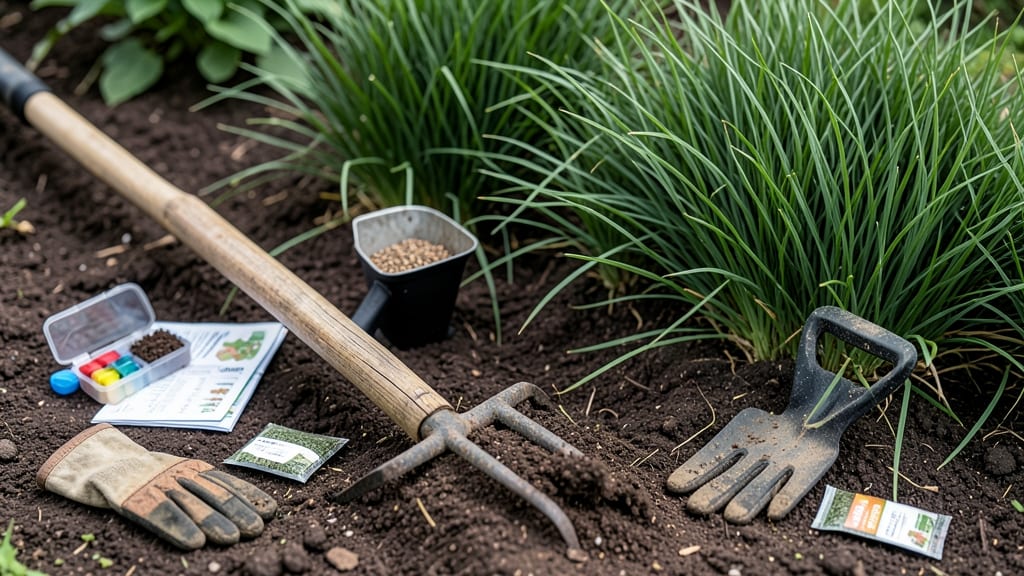
Planting grass seed in Massachusetts at the right time could save you from months of frustration—especially when unpredictable spring rains or early fall frosts throw off your plans.
With USDA Zone 6a conditions, timing matters more than you might think, and getting it wrong can mean patchy growth or wasted seed.
Most gardeners in Massachusetts swear by early spring or early fall planting, but the exact weeks depend on your microclimate. Whether you're in Boston's coastal zone or the inland valleys of Worcester, knowing when soil temperatures hit 55-65°F is the key to success.
I'll break down the best planting windows so you can avoid the 3 most common mistakes that kill grass seeds before they sprout.
You don't need a green thumb to grow a lush lawn—just the right timing and prep work. From testing soil moisture to choosing the right seed type for your yard, I'll walk you through every step to ensure your grass takes root strong.
Let's make sure your lawn becomes the envy of the neighborhood, not the punchline of your summer barbecues.
Ready to transform your yard? The best time to plant isn't just about the calendar—it's about reading your local climate like a pro. Stick with me, and you'll know exactly when to grab that seed bag and get started, whether you're planting in March or September.
Your future lawn will thank you.
Best weeks to plant grass seed in Massachusetts by microclimate zone
Massachusetts spans USDA Hardiness Zones 5A through 6B, creating distinct microclimates that affect grass seed germination timing. The optimal planting windows shift slightly depending on whether you're in western MA (warmer) or coastal areas (cooler).
For Zone 5A (eastern MA), aim for late April to early May in spring or mid-August to early September in fall, while Zone 6B (western MA) can start as early as mid-March for spring planting.
Soil temperature is critical for germination. Grass seed needs soil that's at least 55°F (13°C) for consistent sprouting. In Massachusetts, this typically occurs 2-4 weeks after the last frost date, which varies from April 15 (coastal areas) to May 1 (higher elevations).
Using a soil thermometer ensures you plant when conditions are ideal.
Fall planting often yields better results because cooler temperatures reduce weed competition and establishes roots before winter. However, you must plant 6-8 weeks before the first frost (typically mid-October in most zones) to allow sufficient growth. In Zone 5A, this means late August to early September is ideal.
Here’s how to determine your exact planting window based on your location:
If you’re unsure about your zone, check the USDA Plant Hardiness Zone Map or use your ZIP code in tools like the Massachusetts Extension Service Lawn Calculator.
For example, Boston (Zone 6B) can start spring planting 2 weeks earlier than North Adams (Zone 5A), giving you a competitive edge.
Another critical factor is rainfall patterns. Massachusetts averages 40-50 inches of rain annually, but droughts can occur in late summer. If planting in August or September, supplement with 1 inch of water weekly to prevent drought stress. Use a rain gauge to track moisture levels accurately.
For cool-season grasses (like Kentucky Bluegrass or Fescue), which dominate Massachusetts lawns, fall planting is superior because seedlings establish roots before winter. Warm-season grasses (like Bermuda) are not recommended for MA’s climate, as they struggle with our cold winters. Stick to cool-season varieties for year-round success.
Pro tip: If you’re planting in late spring (May-June), choose fast-germinating seed mixes (like Tall Fescue) to outpace weeds. These varieties sprout in 7-14 days compared to 3-4 weeks for slower-growing types. Always check the seed packet for days-to-germination estimates.
Finally, avoid planting in extreme heat or drought conditions. If summer temperatures exceed 85°F (29°C) for more than 3 consecutive days, germination rates drop by up to 50%. Monitor your local National Weather Service forecasts and adjust your planting timeline accordingly.
🌱
How to choose between spring and fall planting for your Massachusetts lawn
Deciding whether to plant grass seed in spring or fall in Massachusetts depends on your local microclimate, grass type, and how much weed competition you’re willing to tolerate. Both seasons offer advantages, but one may align better with your yard’s conditions and your timeline for a lush lawn.
Let’s break down the key factors to help you choose.
Spring planting in Massachusetts—typically between late March and early May—gives you a head start on growing season. However, weeds thrive in warm soil early in the year, meaning your grass seed may face fierce competition.
Additionally, drought stress can become an issue as temperatures rise, especially if you’re in the western or inland regions of the state where summers are drier.
Fall planting, on the other hand, usually occurs between mid-August and early October. This window allows grass seed to establish roots in cooler temperatures with consistent moisture, reducing weed pressure and heat stress.
Fall-planted grass often enters winter stronger and greens up faster in spring. However, if you plant too late, early frosts can stunt germination before roots take hold.
| Factor | Spring Planting | Fall Planting |
|---|---|---|
| Best Timeframe | Late March–Early May | Mid-August–Early October |
| Weed Competition | High (weeds germinate early) | Low (cooler temps slow weeds) |
| Moisture Availability | Variable (spring rains taper off) | Consistent (fall rains are steady) |
| Heat/Drought Risk | High (summer stress likely) | Low (cooler temps reduce stress) |
| Grass Establishment | Slower (weeds compete for nutrients) | Faster (roots grow deep before winter) |
If you’re in Zone 5A (western MA), where winters are colder and springs arrive later, fall planting is often the safer bet.
For Zone 6B (southeastern MA), where springs are milder, you might have success with both seasons—but fall still edges out spring due to lower weed pressure.
For cool-season grasses like Kentucky Bluegrass or Tall Fescue—common in Massachusetts—fall planting is generally ideal. These grasses thrive in cooler temperatures and establish roots before winter dormancy.
If you opt for warm-season grasses like Bermuda or Zoysia (less common in MA but used in some southern regions), spring planting is better to avoid frost damage.
To decide, consider your local frost dates, soil moisture, and how quickly you want to see results. If you’re unsure, aim for early fall—it’s the most forgiving window for Massachusetts lawns.
Just be sure to plant at least 6 weeks before the first frost to allow roots to take hold.