
Plants
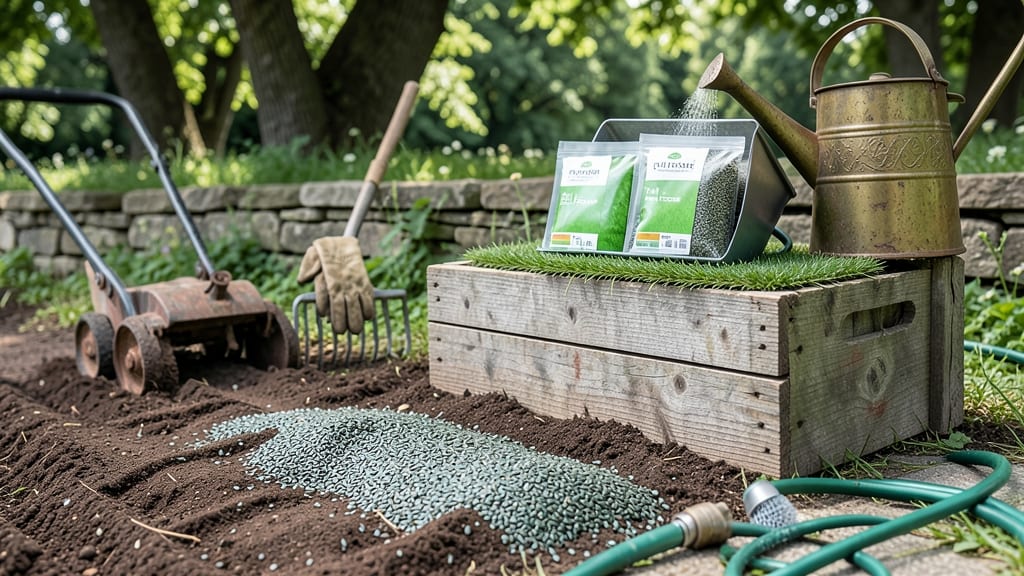
Planting grass seed in the fall is your golden ticket to a lush, resilient lawn—but timing is everything. 🌱 Skip the wrong window, and you’ll waste seed or invite weeds into the mix.
The key lies in cooler temperatures and moist soil, which help roots establish before winter’s chill sets in.
For most of the U.S., including USDA Zone 6a, the ideal window stretches from late August through early September. This timing lets grass germinate while avoiding summer’s scorching heat or winter’s early frost. Cooler weather also means less competition from weeds, giving your new turf a fighting chance.
Why does this matter? Fall-planted grass often outperforms spring seedings because it has months to grow strong roots before winter dormancy kicks in. You’ll save time, money, and frustration by following the science—not guesswork. Let’s break down the exact steps to make your lawn the envy of the neighborhood.
From soil prep to watering schedules, I’ll walk you through everything you need to know to turn bare patches into thick, green carpet. Ready to get started? Let’s dive in.
Best fall planting dates for grass seed by climate Zone
Timing is everything when planting grass seed in the fall. The ideal window is 4-6 weeks before your region’s first frost date, giving seeds time to germinate and establish roots before winter dormancy.
For most of the U.S., this means late August through mid-October, but exact dates vary by USDA climate zone and grass type.
Cool-season grasses like Kentucky bluegrass, tall fescue, and ryegrass thrive when planted in fall. These varieties grow best in 50–75°F soil temperatures, which align perfectly with autumn’s cooling trend.
Plant too early, and summer heat will stress seedlings; too late, and frost will stunt growth before roots take hold.
Your local frost date is your best guide. Check the USDA Plant Hardiness Zone Map for your area—most gardeners in Zones 3–7 aim for September planting, while Zones 8–10 can extend seeding into early November.
Warmer climates with mild winters (like Zone 10) may even plant into December, but avoid seeding when daytime temps drop below 60°F.
For example, if you’re in Zone 6a (like much of the Midwest), aim to plant by mid-September to avoid frost. In Zone 9a (southern California), you can seed into early November since winters are mild.
Always double-check your local frost dates—local weather patterns can shift planting windows by 2–3 weeks.
Pro tip: Use a soil thermometer to confirm temps are in the 50–75°F range before seeding. If soil is too warm (above 75°F), seeds may dry out; if too cool (below 50°F), germination slows dramatically. Wait for the ‘sweet spot’ between summer’s heat and winter’s chill.
Regional microclimates also matter. Urban areas often stay 5–10°F warmer than rural zones, extending your planting window. If you’re unsure, err on the earlier side—cool-season grasses grow faster in fall’s mild temps than in spring’s fluctuating weather.
Just be ready to protect seedlings with frost cloth if late frosts sneak in.
Another key factor: rainfall patterns. In drought-prone areas (like the Southwest), seed in late summer to rely on residual soil moisture. In wet climates (like the Pacific Northwest), wait until early fall to avoid waterlogged soil.
Always prepare your lawn by aerating and leveling the soil before seeding to ensure even moisture distribution.
Remember, cool-season grasses need 6–8 hours of sunlight daily to thrive. If your lawn gets partial shade, choose shade-tolerant varieties like fine fescue or creeping red fescue, which handle 2–4 hours of shade better than Kentucky bluegrass.
Adjust your planting timeline if shade patterns change as trees lose leaves in fall.
Finally, mark your calendar with the last possible seeding date in your zone. For most regions, this is 6 weeks before frost, but don’t rush—seedlings need 4–6 weeks to establish before winter.
If you miss the window, wait until early spring (as soon as soil thaws), though fall planting almost always yields thicker, more resilient lawns.
Critical soil and weather conditions for fall grass seed success
Fall planting thrives when soil temperatures hover between 50°F and 75°F—this range is perfect for grass seed germination while avoiding summer’s scorching heat or winter’s early frost. 🌡️ In USDA Zone 6a, aim for late August to early September when daytime highs dip below 85°F and nights cool to 60°F.
Cooler temps also mean less water evaporation, so your seeds stay consistently moist without overwatering.
Soil moisture is just as critical as temperature. Grass seed needs consistent dampness for the first 2-4 weeks to sprout, but soggy soil invites fungal diseases.
A good rule of thumb: water deeply once a day in the morning (before 10 AM) to keep the top 1-2 inches of soil evenly moist. Use a rain gauge or tuna can to measure—½ inch per week is ideal for germination.
The key-takeaway here is balancing moisture and airflow. Overwatering suffocates seeds, while underwatering leaves them dry and brittle. If your area faces drought warnings, consider using a light mulch layer (like straw) to retain moisture without smothering new growth.
This trick works especially well in sandy soils, which drain too quickly.
- Soil Temp: 50–75°F (ideal for germination)
- Moisture: Keep top 1–2" damp (not soggy)
- Watering: Morning only (½" per week)
- Mulch: Straw layer (¼" thick) to retain moisture
- Avoid: Watering at night (fungus risk)
Don’t overlook soil pH either. Most cool-season grasses (like tall fescue or Kentucky bluegrass) thrive in pH 6.0–7.0. Test your soil with a $10 kit from your local garden center, and amend with lime (to raise pH) or sulfur (to lower pH) if needed.
Aerating compacted soil before seeding also improves root penetration—rent a core aerator or use a garden fork to poke holes 3–4 inches deep every 3–4 inches apart.
Weather watchers know fall can be unpredictable. If heavy rain is forecasted within 48 hours of planting, delay seeding until the forecast clears. Rain can wash away fresh seed or bury it too deeply.
Similarly, if a hard frost is predicted within 6 weeks, hold off until conditions stabilize. Grass needs 4–6 weeks of warm-ish weather to establish roots before winter dormancy.
Finally, watch for weed competition. Fall’s mild temps encourage weed seeds to germinate too. Apply a pre-emergent herbicide (like corn gluten meal) 2 weeks before seeding to block weeds without harming grass.
Once your lawn is 50% established, switch to a post-emergent weed killer targeted for broadleaf weeds only.
With the right soil prep and weather timing, your fall-planted grass will outperform spring seedings by a mile. The secret? Cool roots, warm soil, and patient watering—no shortcuts needed. 🌿