
Plants
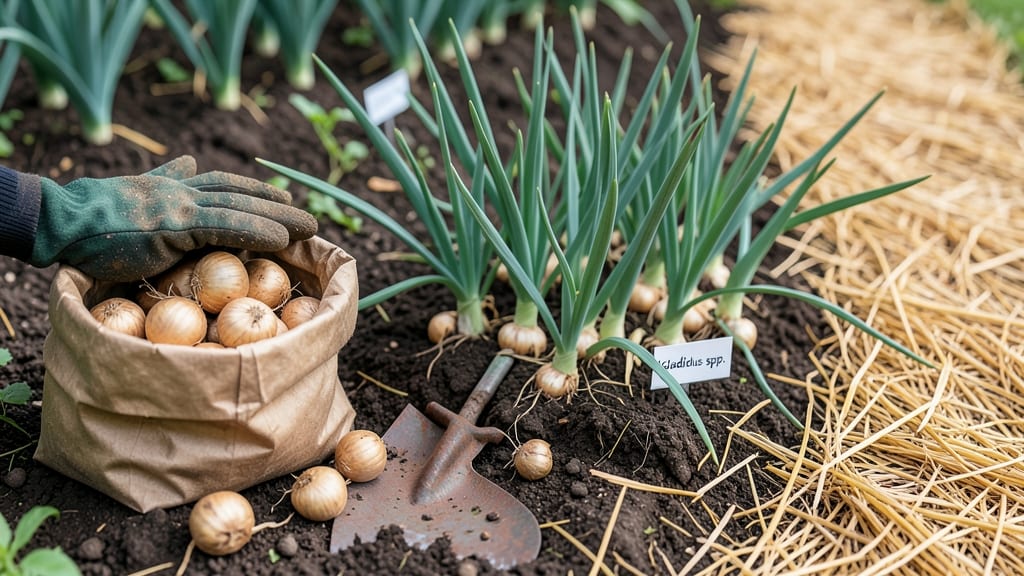
Planting gladiolus bulbs in Massachusetts at the wrong time can mean the difference between a showstopping summer garden and wasted effort. With Zone 6a’s unpredictable frost dates, knowing when to plant is critical for those vibrant 🌸 blooms you’re dreaming of.
Most gardeners in Massachusetts aim for mid-to-late spring, but timing matters more than you might think. Too early, and a late frost will zap your bulbs before they even sprout. Too late, and you’ll miss the full growing season, leaving you with shorter stems and fewer flowers.
In this guide, I’ll break down the exact frost-free window for your region, including localized deadlines for Boston, Worcester, and Springfield. You’ll also learn how to extend your growing season with simple fall planting hacks that work perfectly in Zone 6a.
Whether you’re a first-time gardener or a seasoned pro, these insights will help you plant with confidence—so you can enjoy those towering gladiolus stalks reaching their full 4-5 foot height by late summer.
Gladiolus planting deadlines in Massachusetts Zone 5B: exact dates by last frost risk
Massachusetts’ Zone 5B climate means gladiolus bulbs must be planted after the last frost date, typically between April 15 and May 15. Waiting until soil reaches 50°F+ ensures healthy root growth before summer heat arrives.
In inland areas like Worcester, frost lingers longer than coastal regions like Boston—so adjust your timeline accordingly.
For reliable blooms, aim to plant by May 1 in most of Massachusetts. Late plantings after May 15 risk stunted growth, but you can still try with extended-season varieties like ‘Green Star’ or ‘Picasso.’ Always check your local USDA frost maps for precise deadlines.
Here’s how to gauge readiness: Press your finger into the soil—if it feels warm and crumbly, it’s time. Cold, clumpy soil means wait at least 1-2 weeks. Pro tip: Use a soil thermometer for accuracy, especially in elevated garden beds that warm faster than ground soil.
Gladiolus bulbs need 6-8 weeks of warm soil to establish roots before blooming. Planting too early (before April 1) risks frost damage, while planting too late (after June 1) may delay—or even prevent—summer flowers. Balance is key!
| Region | Avg. Last Frost | Ideal Planting Window | Risk of Late Frost |
|---|---|---|---|
| Boston (Coastal) | April 20 | April 25–May 10 | Low (maritime effect) |
| Worcester (Inland) | May 5 | May 10–May 25 | Moderate (10% chance after May 15) |
| Springfield (Western MA) | April 28 | May 1–May 15 | High (20% chance after May 10) |
🌱 Pro Tip: Use row covers if planting early to protect from surprise frosts.
If you miss the spring window, don’t panic—fall planting (September 1–October 15) is a great backup. Bulbs planted in autumn establish roots before winter, then bloom earlier the following summer. Just ensure they’re 6 inches deep and mulched to insulate against freezing.
For container gardening, extend your window by starting bulbs indoors 6-8 weeks before your last frost date. Use well-draining pots with cactus/succulent mix to prevent rot. Move containers outside only after nighttime temps stay above 55°F consistently.
Track your local frost dates using tools like the National Weather Service or Massachusetts Horticultural Society alerts. In 2023 alone, Boston saw a late frost on May 8, while Worcester experienced one on May 18. Plan accordingly to avoid frost-nipped foliage.
Remember: Gladiolus bulbs are not frost-tolerant, so never plant them before the soil is reliably warm. Even a light frost can kill emerging shoots. When in doubt, wait an extra week—your glads will thank you with taller, more vibrant blooms all summer long!
How to extend your gladiolus growing season in Massachusetts: fall planting hacks for Zone 5B
Fall planting might surprise you, but it’s actually the smartest move for gladiolus bulbs in Zone 5B. Unlike spring, when late frosts can strike, fall gives bulbs time to establish roots before winter dormancy.
In Massachusetts, the ideal window is September 1–October 15, when soil temps drop but haven’t frozen yet.
This method works because gladiolus bulbs thrive when planted in cooler soil (50–60°F). By fall, the ground retains enough warmth to encourage root growth without the risk of early spring frost damage. Plus, bulbs planted now often produce taller, sturdier stems the following summer.
Here’s the catch: you’ll need to protect them from early snow. A thick layer of mulch (4–6 inches) or a lightweight frost blanket can make all the difference. I’ve had success using straw mulch in my Worcester garden, which insulates without smothering the soil.
Fall Planting Pros & Cons
- Fewer frost risks than spring
- Stronger root systems by summer
- Longer bloom season next year
- Requires winter protection (mulch/blankets)
- Limited time window (miss it, and bulbs won’t thrive)
- Early snow can still damage unprotected bulbs
Before planting, test your soil’s drainage and pH. Gladiolus bulbs rot in soggy soil, so amend with compost or sand if needed. Aim for a pH of 6.0–6.8, which most Massachusetts soils already provide.
I always dig a 6-inch hole, place the bulb pointy end up, and cover with soil mixed with a slow-release fertilizer.
For extra insurance, store bulbs in a cool, dark place (like a garage) if you’re late to plant. Just don’t refrigerate them—40–50°F is ideal. I’ve prepped bulbs this way in late October and still gotten great results the next summer.
With these tips, you can enjoy glorious gladiolus blooms from June through August—no matter how unpredictable Massachusetts weather gets! 🌸