
Plants
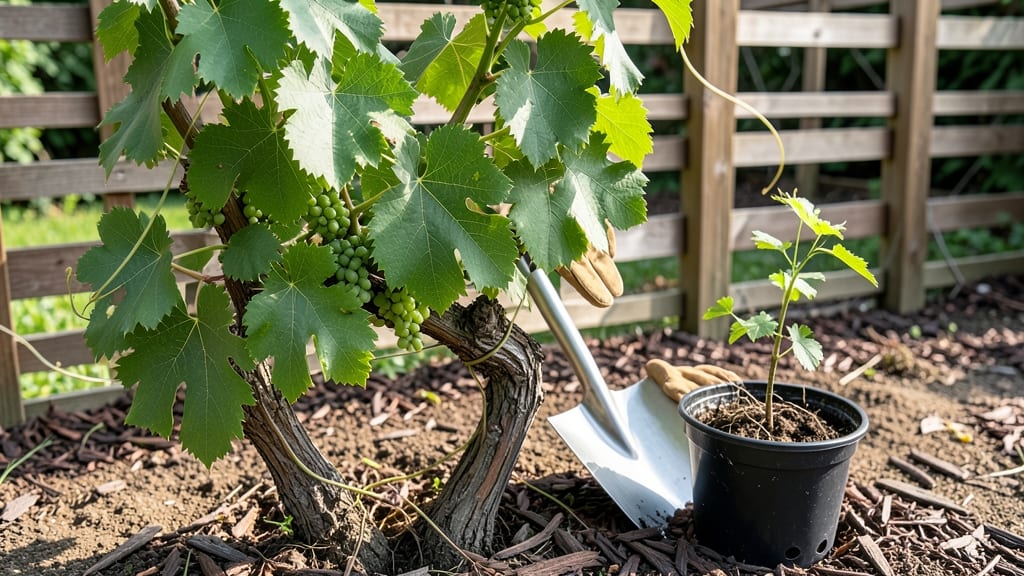
If you’ve ever dreamed of growing your own 🍇 grapes in California, timing your planting is the single most important decision you’ll make. Plant too early, and a late frost could wipe out your tender young vines.
Wait too long, and your grapes might never ripen fully—especially in the state’s diverse climates, from foggy coastal regions to the scorching Central Valley.
Most California gardeners assume spring is the only option, but the truth is more nuanced. The chill-hour requirements of your grape variety—whether it’s a crisp Thompson Seedless or bold Cabernet Sauvignon—dictate the best window.
Some thrive when planted in late winter, while others need the warmth of early spring to take root.
In this guide, I’ll break down the exact months to plant grapes in California, tailored to your region and grape type. You’ll learn how to avoid frost damage, when to adjust for early or late ripening varieties, and the simple soil prep tricks that make all the difference.
Let’s get your vines off to the strongest start possible.
Whether you’re a backyard grower or aiming for a small vineyard, getting this right means the difference between a bountiful harvest and years of frustration. Ready to plant with confidence? Let’s dive in.
California grape planting timeline by chill-hour requirements
California’s grape-growing success hinges on chill-hour requirements, which measure winter cold exposure needed for bud dormancy. Most wine grapes need 300-1,000+ chill hours, while table grapes like Thompson Seedless thrive with 0-300 hours. Coastal areas (e.g., Santa Barbara) rarely hit 300 hours, making low-chill varieties essential.
Your planting window depends on variety chill needs and USDA zone. For example, Cabernet Sauvignon (800+ chill hours) needs Northern California’s Zone 7-9, while Flame Seedless (0-100 hours) grows in Zone 10’s desert climates.
Planting too early risks frost damage; too late, and vines won’t establish before summer heat.
Dormant-season planting (Nov–Feb) is ideal for bare-root vines, allowing roots to establish before spring growth. In cooler regions (Napa, Sonoma), aim for December–January when soil temps drop below 50°F. Warmer zones like Central Valley can plant as late as February–March.
| Variety | Chill-Hour Needs | Best USDA Zones | Planting Window | Regional Notes |
|---|---|---|---|---|
| Cabernet Sauvignon | 800–1,000+ | 7–9 | Dec–Jan | Napa, Sonoma; needs winter chill |
| Zinfandel | 500–700 | 6–9 | Nov–Feb | Central Coast; drought-tolerant |
| Thompson Seedless | 0–300 | 8–11 | Feb–March | Central Valley, deserts; heat-loving |
| Flame Seedless | 0–100 | 9–11 | Feb–April | Coachella Valley; raisin grapes |
| Syrah | 600–800 | 7–9 | Dec–Jan | Pasadena, Santa Barbara; needs summer heat |
For low-chill varieties (0–300 hours), like Thompson Seedless or Flame Seedless, timing shifts to late winter (Feb–March) to avoid spring heat stress. These grapes thrive in Zone 8–11, where frost is rare. In desert regions (e.g., Palm Springs), plant in March–April to align with monsoon rains.
High-chill grapes (600+ hours) like Cabernet Sauvignon or Syrah must plant in December–January to ensure bud dormancy. Use a chill-hour calculator (e.g., UC Davis tool) to verify your region’s winter cold accumulation.
For example, Napa Valley averages 800–1,000 hours, while Santa Barbara may only hit 300–500 hours.
If you’re in a transition zone (e.g., Madera County), opt for intermediate-chill varieties like Grenache (400–600 hours) or Tempranillo (500–700 hours). These adapt better to mixed chill conditions and hot summers. Always check rootstock compatibility—some varieties (e.g., Riparia) tolerate poor drainage better than others.
Pro tip: Soil temperature should be 40–50°F at planting depth (6–
Best months to plant grapes in California’s top regions
California’s three distinct grape-growing regions—Northern, Central Valley, and Southern—each demand different planting windows. In cooler Northern zones like Napa, dormant-season planting (November–February) aligns with chill-hour needs and avoids spring frosts.
Meanwhile, hotter Central Valley areas benefit from early dormant planting (October–December) to establish roots before summer heat. Southern California’s mild winters allow a wider window (November–March), but timing must account for low-chill varieties.
For bare-root vines, the ideal dormant-season window is November through February. This timing lets roots establish before bud break, reducing transplant shock. In emergency spring planting (March–April), use potted vines and prioritize well-draining soil to prevent root rot.
However, spring-planted grapes may yield less fruit their first year due to delayed root growth.
Here’s how to adapt your planting schedule by region:
In high-elevation areas (e.g., Sierra foothills), delay planting until late February to avoid late-spring frosts that can kill new shoots. Always check your local USDA zone and last frost date—tools like the California Climate Smart Agriculture Tool provide hyper-local insights.
For container growing, extend your window to March–April, but ensure pots have drainage holes and use well-draining mix.
Pro tip: Test soil temperature before planting—ideal range is 60–70°F. Use a soil thermometer to confirm readiness, especially in warmer microclimates like the Central Coast. If soil is too cold, delay by 2–4 weeks to prevent root rot.
Remember, dormant-season planting (November–February) is always preferred, but spring planting can work if you use potted vines and mulch heavily to retain moisture. The key is matching your variety’s chill-hour needs to your region’s climate—no shortcuts for grape success! 🌿