
Plants
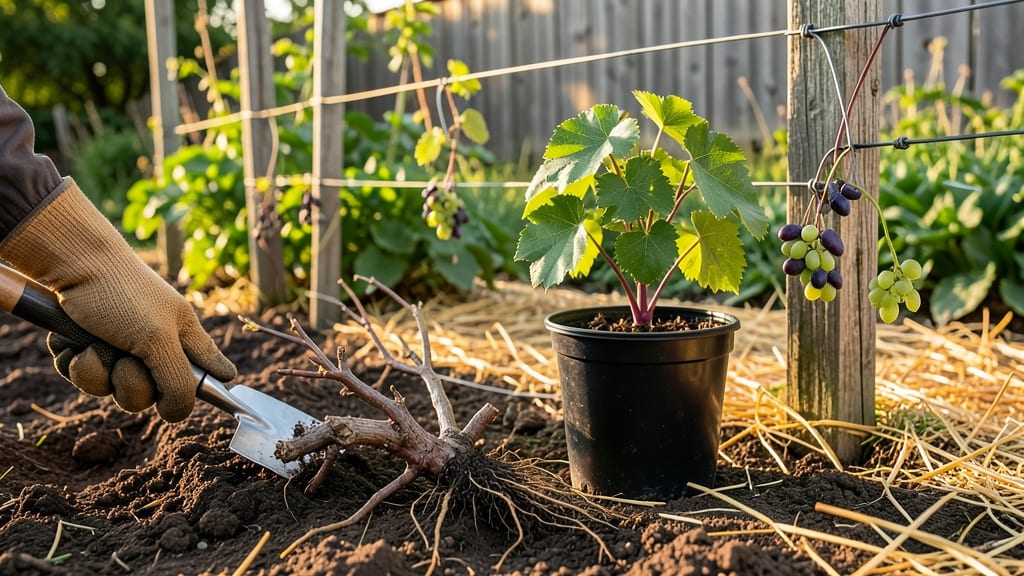
Planting grapes in Kentucky at the wrong time can mean the difference between thriving vines and struggling plants that never reach their full potential. With USDA zones 6a-7a and a climate that swings between chilly winters and humid summers, timing is everything for your 🍇 grape success.
Most Kentucky gardeners assume spring is the only window to plant grapes, but the truth is more nuanced. While late winter to early spring (February through April) is ideal for dormant bare-root vines, fall planting can also work if you act quickly before the first frost hits in mid-October.
The key is understanding how soil temperatures and frost dates impact root establishment.
I’ve helped countless Kentucky growers get their grapevines off to the right start, and the most successful ones follow a simple rule: plant when the ground is workable but not frozen, and give those roots 6-8 weeks to settle before winter sets in.
Whether you’re growing Norton, Chardonnay, or Cabernet Sauvignon, this guide will show you exactly when to dig in for the best results.
Ready to set your grapevines up for a bountiful harvest? Let’s break down the best months to plant in Kentucky, plus the climate factors you absolutely can’t ignore—so you can avoid common mistakes and enjoy strong, healthy vines year after year.
Best months to plant grapes in Kentucky for maximum root growth
Kentucky gardeners know timing is everything when planting grapes. The ideal window for planting dormant bare-root vines falls between late February and early April, just before the last frost date (typically mid-April). This timing allows vines to establish strong root systems before summer heat arrives.
For container-grown grapes, you can extend the window slightly into May, but avoid planting after June 1st—new vines won’t have enough time to harden off before winter. Kentucky’s USDA zones 6a-7a create microclimates where Norton grapes (Kentucky’s state grape) thrive, but timing varies slightly by region.
Soil temperature is your best guide: aim for 45-55°F at planting depth (6 inches). In northern Kentucky, this often means waiting until late March, while southern regions can plant as early as February. Use a soil thermometer to check—this simple tool prevents costly mistakes.
| Planting Window | Soil Temp | USDA Zone | Grape Variety |
|---|---|---|---|
| Late February | 45-50°F | 7a (Southern KY) | Cabernet Sauvignon, Chardonnay |
| March 15-April 1 | 50-55°F | 6b-7a | Norton, Concord |
| April 15 (Last Resort) | 55-60°F | 6a (Northern KY) | Early-ripening varieties only |
🌱 Pro Tip: Plant on a cloudy day to reduce transplant shock.
Fall planting is possible in Kentucky’s warmer microclimates (like the Bluegrass Region), but requires 6-8 weeks before the first frost (mid-October). This means planting between August 15 and September 15. Fall-planted vines benefit from cooler temps and winter moisture, but need extra mulch (4-6 inches) to insulate roots.
If you’re growing trellised grapes, install your support structure before planting. Kentucky’s humid summers mean vines grow rapidly—waiting until spring to add trellises causes bending and breakage. Use T-posts or wire systems with 4-5 feet of vertical space for standard varieties.
For container growing, Kentucky’s short growing season works in your favor. Larger pots (15+ gallons) retain heat better, extending the planting window into late April. Just ensure containers have drainage holes—grapes hate soggy roots, and Kentucky’s clay soils can compact easily.
One common mistake I see is planting too early in northern Kentucky. If you plant in January or early February, cold soil can stunt root growth. Instead, wait for consistent 50°F+ temps at night. Use row covers if late frosts threaten—these protect young vines without overheating them.
Remember: Norton grapes (Kentucky’s signature variety) are cold-hardy but still need proper timing. Plant them in well-draining soil with a slightly acidic pH (6.0-6.5). Amend heavy clay soils with compost or sand to prevent waterlogging—a major issue in Kentucky’s rainy springs.
For maximum yield, aim to have vines 4-6 feet tall by summer’s end. This means planting dormant vines early enough for 4-6 weeks of root establishment before active growth begins. In Kentucky’s climate, this window is March 1-April 15—mark your calendar!
Best months to plant grapes in Kentucky for maximum root growth
Kentucky’s USDA zones 6a-7a create a perfect balance for grape cultivation, but timing is everything. Planting too early risks frost damage, while waiting too long delays root establishment. For optimal success, focus on late winter to early spring—when soil temperatures hit 50°F (10°C) consistently.
Most Kentucky gardeners plant dormant bare-root vines between February and April, with March and April being the ideal window. This timing ensures vines establish roots before summer heat stress and avoids late spring frosts that can kill tender new growth.
🍇 Variety matters! Hardy Kentucky favorites like Norton and Cynthiana thrive when planted in early spring, while Chardonnay and Cabernet Sauvignon need slightly warmer soil (55°F/13°C) for best root development. Always check your local frost dates—most of Kentucky’s last frost occurs around mid-April.
| Month | Soil Temp | Planting Window | Notes |
|---|---|---|---|
| February | 45-50°F (7-10°C) | Early (cold-hardy varieties) | Risk of frost; best for Norton |
| March | 50-55°F (10-13°C) | Ideal (most varieties) | Balanced risk/reward for root growth |
| April | 55-60°F (13-16°C) | Late (warm-season varieties) | Best for Cabernet; avoid after frost |
Fall planting is possible but riskier in Kentucky. If you choose September or October, select hardy rootstocks and plant 6-8 weeks before first frost (typically mid-October). Fall-planted vines need extra mulch to protect roots from freeze-thaw cycles.
Pro tip: Test soil moisture before planting—grapes hate waterlogged roots. Amend clay-heavy Kentucky soil with compost or sand to improve drainage. Well-draining soil is non-negotiable for grape success!
Remember: Root growth > vine growth in the first year. Planting at the right time ensures your vines establish deep roots before summer’s heat and Kentucky’s humidity challenges kick in. 🌱