
Trees
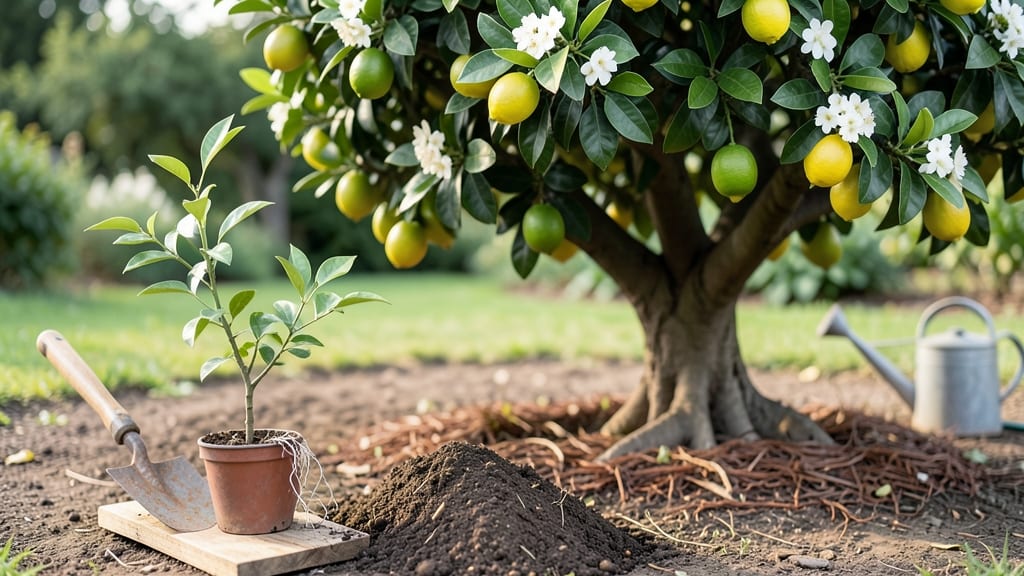
Timing is everything when it comes to planting your 🍊 citrus tree in Zone 9—get it wrong, and you could end up with weak roots struggling through summer’s brutal heat.
The best window to plant these sun-loving trees is late winter to early spring, giving them months to establish strong roots before the real heat arrives.
Why does this matter? Because citrus trees planted in the wrong season often face stress, stunted growth, or even failure to thrive. In Zone 9, where frost is rare but summer temperatures can soar, giving your tree a head start in milder weather is the key to long-term success.
Let’s break down exactly when and how to plant for the strongest possible start.
You might think spring’s warmth is ideal, but the heat can actually shock young trees before their roots are ready. Instead, aim for February to March, when temperatures are cooling down and the soil stays warm enough for root growth.
This timing ensures your citrus tree has plenty of time to settle in before summer’s intensity kicks in.
I’ll walk you through the exact steps to prepare your soil, choose the right variety for your microclimate, and avoid common mistakes that could derail your tree’s growth. Ready to set your citrus tree up for a lifetime of fruit? Let’s get started.
Best planting months for citrus trees in Zone 9 to avoid summer heat stress
Citrus trees thrive in Zone 9’s mild winters, but planting them at the wrong time can lead to weak root systems or heat stress once summer arrives. The ideal window is late winter to early spring—specifically February through April—when temperatures are cool and rainfall is more consistent.
This timing gives young roots 3-4 months to establish before the intense summer heat hits.
In Zone 9’s coastal areas, like Southern California or Florida, you can plant as early as mid-February when nighttime temperatures stay above 50°F (10°C). However, inland areas with colder microclimates should wait until late March to avoid unexpected frost.
The key is to plant when the soil temperature reaches at least 60°F (15°C)—this encourages root growth without shocking the tree.
While fall planting (September-October) is possible, it’s riskier in Zone 9 because new roots may not fully harden before winter’s occasional light frost. If you must plant in fall, choose dwarf varieties like Meyer lemons, which recover faster.
Always avoid planting in peak summer (June-August), as the intense heat and dry winds can cause transplant shock.
Here’s a quick reference for your Zone 9 citrus planting timeline:
Timing your planting right means stronger roots and healthier growth once summer arrives. For example, a citrus tree planted in March can establish 50% more roots by June compared to one planted in June. This root system is crucial for drought resistance and fruit production in later years.
If you’re in a coastal Zone 9 area, like San Diego or Miami, you’ll have a slightly longer window—sometimes even January works if you provide light shade for the first few weeks.
Inland areas, such as Phoenix or Las Vegas, should stick to March-April to avoid sudden temperature swings. Always check your local microclimate—valleys can be 5-10°F cooler than nearby hills.
Pro tip: Mulch heavily after planting to retain moisture and regulate soil temperature. Use 3-4 inches of organic mulch, like wood chips or straw, and keep it 6 inches away from the trunk to prevent rot.
This simple step can double your tree’s survival rate in Zone 9’s dry summers.
Watch for yellowing leaves or wilting in the first few weeks—these are signs of transplant shock or underwatering. Increase watering slightly if the soil dries out faster than usual, but avoid overwatering, which can suffocate roots. A moisture meter is a great investment for Zone 9 gardeners!
Once your citrus tree is established, it’ll reward you with year-round harvests—but only if you planted it at the right time. Meyer lemons and Valencia oranges are especially responsive to spring planting, producing fruit 1-2 years earlier than trees planted in summer. 🍊
Best planting months for citrus trees in Zone 9 to avoid summer heat stress
In Zone 9, where summer temperatures can hit 100°F+, planting your citrus tree at the wrong time means risking heat stress before its roots are established.
The ideal window is late February through early March, when soil temperatures stay warm enough for root growth but before the intense summer heat arrives.
This timing gives your tree 3-4 months to develop a strong root system before summer’s peak. Planting in April or later can shock young trees, while planting in winter risks cold snaps, even in Zone 9. Let’s break down the exact months and what to watch for.
📅 Citrus Planting Timeline in Zone 9
| Month | Soil Temp (°F) | Best For | Risk Level |
|---|---|---|---|
| February | 60-70°F | Root establishment | Low (cold snaps possible) |
| March | 65-75°F | Optimal planting | Very Low |
| April | 70-80°F | Late planting (risky) | Medium (heat stress) |
| May | 75-85°F | Avoid (extreme heat) | High |
💡 Pro Tip: Test soil temperature with a thermometer—aim for 65°F+ for best root growth.
If you miss the February-March window, consider fall planting in October, but this is riskier in Zone 9 due to potential late-season heat. Always check your local microclimate—coastal areas may have milder winters, while inland zones can still see 40°F drops.
For container-grown citrus trees, you can plant slightly later (March-April), as their roots are already established. However, they’ll still need daily shade during the first few weeks to reduce transplant shock. Mulching with 3-4 inches of organic mulch helps retain moisture and regulate soil temperature.
Watch for leaf scorch or wilting in the first few weeks after planting—this is a sign your tree is struggling with heat or drought. Adjust watering immediately to deep soaks every 2-3 days until roots establish.
With the right timing, your citrus tree will reward you with years of fruit production.