
Plants
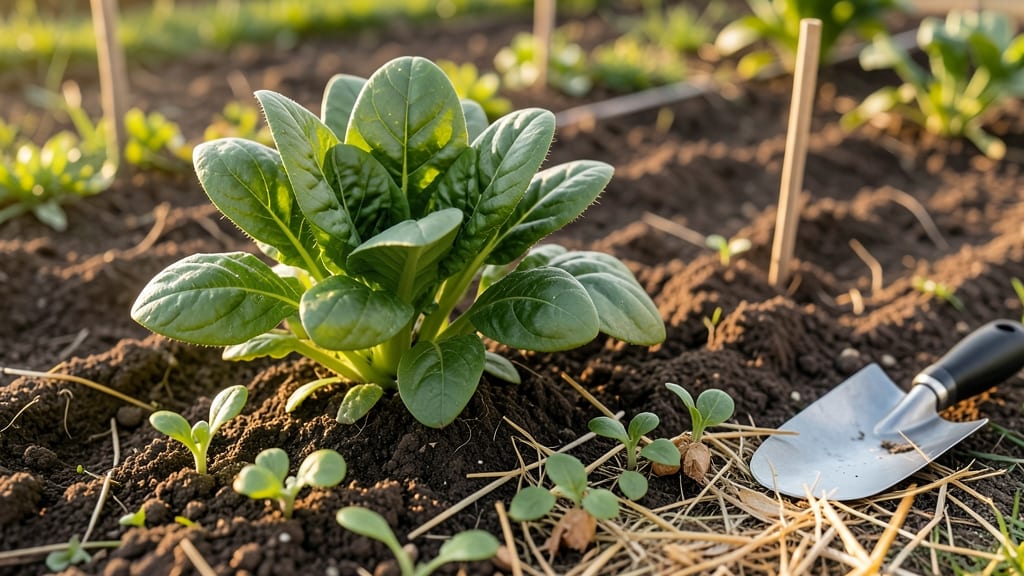
When to plant fall spinach in Zone 6 isn’t just about timing—it’s about unlocking a harvest that’s sweeter, more tender, and far less bitter than spring’s impatient greens. If you’ve ever watched your spinach bolt or taste disappointment after a rushed planting, you’re not alone. The 4-6 week window before your first frost (usually mid-August to mid-September) is your golden opportunity to grow 🥬 that thrives in cooler weather.
Here’s the secret: Spinach in Zone 6 actually prefers the crisp air of fall, where it grows slower and sweeter. But plant too early, and you’ll deal with heat stress or pests; too late, and frost will cut your harvest short.
I’ll show you exactly how to nail that window—plus soil prep tricks and care tips—to get leaves that are bright green and packed with flavor by October.
Whether you’re a first-time gardener or a seasoned pro, this guide cuts through the guesswork. You’ll learn which spinach varieties hold up best in Zone 6’s unpredictable fall weather, how to protect your crop from early frosts, and even how to stretch your harvest into November.
Let’s get those seeds in the ground at the perfect moment.
Ready to grow spinach that tastes like a victory? The clock’s ticking—your fall harvest starts now.
Optimal planting windows for fall spinach in Zone 6: exact weeks before frost
Fall spinach thrives in Zone 6 when planted at the right time—typically 8 to 12 weeks before your first frost. For most of Zone 6, this means mid-August to early September, but exact dates vary by location.
In colder sub-zones (like Pittsburgh), aim for early August, while warmer areas (like Cincinnati) can wait until late August. The key is balancing soil temperatures (40–70°F) and daylight hours to avoid bolting or stunted growth.
Spinach is a cool-season crop that performs best in temperatures between 50–65°F. Planting too early (like late July) risks bolting from heat stress, while planting too late (after early September) may not give your spinach enough time to mature before frost.
Use your average first frost date (typically October 15 in Zone 6) as your anchor point and count backward.
Here’s a quick rule of thumb: Direct-sow seeds 4–6 weeks before your ideal harvest date. For a late-October harvest, start sowing in early to mid-September.
If you want an earlier harvest (like late September), begin in mid-August. Succession planting every 2–3 weeks ensures a steady supply of fresh leaves.
Soil preparation is just as critical as timing. Spinach prefers well-draining, fertile soil with a pH of 6.5–7.0. Before planting, amend your soil with 2–3 inches of compost or aged manure and mix in a balanced fertilizer (5-10-10) to ensure your spinach gets the nutrients it needs.
Avoid fresh manure, which can burn delicate seedlings.
When sowing, plant seeds ½ inch deep and space them 1–2 inches apart in rows 12–18 inches apart. Thin seedlings to 4–6 inches apart once they’re 2–3 inches tall to prevent overcrowding.
Thinning reduces competition for nutrients and improves airflow, which lowers the risk of fungal diseases like downy mildew.
After planting, keep the soil consistently moist but not waterlogged. Spinach has high water needs, especially in fall when evaporation slows but roots still need hydration. Water deeply in the morning to allow foliage to dry quickly, reducing the chance of leaf spot diseases.
A 1–2 inch layer of mulch helps retain moisture and regulate soil temperature.
Monitor your spinach for signs of bolting, which occurs when the plant senses warm temperatures or long daylight hours. If your spinach starts to send up a flower stalk, it’s time to harvest immediately or pull the plant.
Bolted spinach becomes bitter and stringy, ruining its tender texture. To delay bolting, choose slow-bolting varieties like ‘Tyee’ or ‘Space’ and provide afternoon shade if temperatures rise above 75°F.
Finally, don’t forget that frost can actually improve spinach flavor. A light frost (28–32°F) sweetens the leaves, making them even more delicious.
However, a hard frost (<28°F) will kill the plant, so plan your final harvest 1–2 weeks before your average first frost or use row covers to extend the season.
By following these exact planting windows and care tips, you’ll enjoy a bountiful, sweet spinach harvest that rivals your spring crop—without the summer heat stress. Happy planting! 🌿
Optimal planting windows for fall spinach in Zone 6: exact weeks before frost
Fall spinach thrives in Zone 6 when planted 8–12 weeks before your first frost date. For most of Zone 6, this means sowing seeds between mid-August and mid-September.
The key is timing—plant too early, and your spinach may bolt (go to seed) from summer heat; too late, and frost will hit before harvest. Aim for soil temperatures between 45–75°F for best germination and growth.
Your first frost date in Zone 6 typically falls around October 15, but this varies by location. For example, Pittsburgh’s average first frost is October 20, while Cincinnati’s is October 10.
Use your local frost calendar to calculate your exact planting window. Pro tip: Start seeds indoors 4–6 weeks before your outdoor planting date to get a head start.
📅 Zone 6 Fall Spinach Planting Timeline
| Stage | Action | Timeframe (Zone 6) |
|---|---|---|
| Soil Prep | Amend with compost; test pH (6.0–7.0 ideal) | Late July–Early August |
| Direct Sow | Plant seeds ½" deep, 1" apart in rows 12" apart | Mid-August–Mid-September |
| Thin Seedlings | Thin to 3–4" apart for optimal growth | 3–4 weeks after sowing |
| First Harvest | Pick outer leaves when 4–6" tall | October–November |
| Frost Protection | Use row covers for light frosts (28–32°F) | Late October–Early November |
Spinach grows surprisingly well in cool fall temperatures, but it needs consistent moisture to avoid bolting. Water deeply every 2–3 days, especially in dry spells, and mulch with straw to retain soil moisture.
A light nitrogen fertilizer (like 5-10-10) applied in early September can boost leaf production without encouraging rapid bolting.
If you’re in a warmer microclimate within Zone 6 (e.g., near urban heat islands), plant on the earlier side of the window—late July to early August. Conversely, cooler highland areas (like parts of West Virginia) can wait until early September.
Always monitor your plants: if leaves start tasting bitter or stems elongate, it’s time to harvest or protect from cold snaps.
For a continuous harvest, succession plant every 2–3 weeks from mid-August until early September. This ensures you’ll have fresh spinach from October through November, even if early frosts arrive. Just remember: spinach is a cool-season crop, so it won’t tolerate summer heat—save that for spring plantings!
One final tip: Hardening off seedlings is crucial if you start indoors. Acclimate them to outdoor conditions over 7–10 days before transplanting to avoid shock. This simple step can mean the difference between thriving spinach and stunted growth.