
Plants
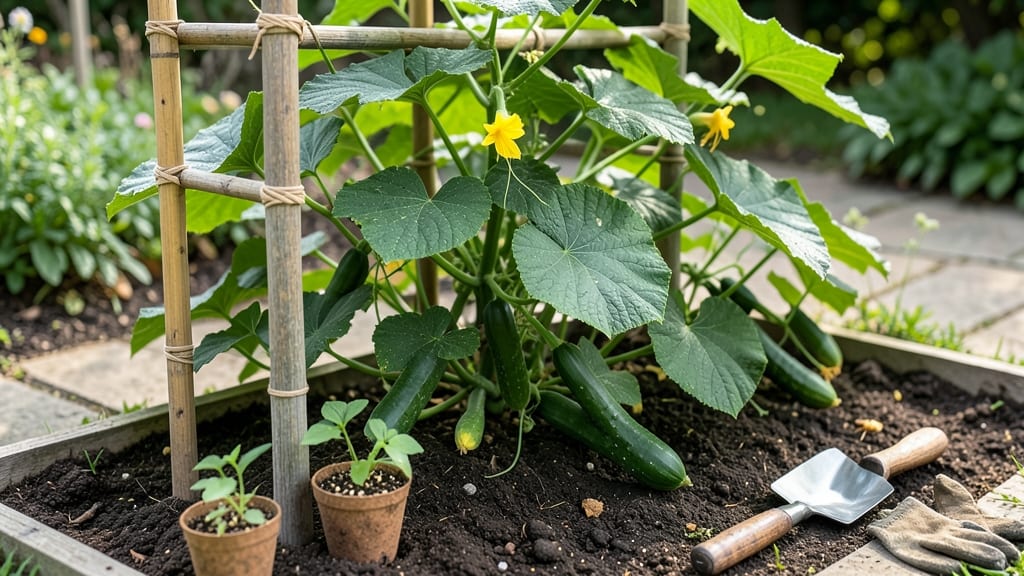
Timing your 🥒 cucumber planting in West Virginia can make the difference between a bountiful summer harvest and wilted vines. With frost dates lingering into April and summer heat arriving early, getting those seeds in the ground at just the right moment is the key to success.
Most gardeners in Zone 6a wait until after the last frost—typically mid-April to early May—when soil temperatures consistently reach 60°F. But here's the catch: cooler mountain regions might need to wait another week, while valley areas can start slightly earlier.
Whether you're using transplants or direct sowing, the window is narrow but critical. Plant too soon, and chilly nights will stunt your young plants. Too late, and you might miss the prime growing season before summer's humidity sets in.
I'll show you exactly how to time your planting for maximum yields, including soil prep tips and regional adjustments that work for West Virginia's unique climate. Let's get those cucumbers growing!
West Virginia cucumber planting calendar: frost-free dates by Zone 7A vs 7B
West Virginia’s USDA Zones 7A and 7B create subtle but critical differences in cucumber planting windows. Charleston (Zone 7A) typically has last frost dates around April 15, while Morgantown (Zone 7B) averages April 20-25.
These dates shift 3-5 days earlier in valleys like the Kanawha River Basin and 7-10 days later in higher elevations like the Allegheny Mountains.
Cucumbers (Cucumis sativus) need soil temperatures above 60°F and consistent warmth to thrive. Planting too early risks root rot from cold, damp soil, while waiting too long may mean peak heat arrives before harvest.
My recommended window is mid-May for Zone 7A and late April to early May for Zone 7B, with adjustments based on microclimates.
NOAA frost data shows Charleston’s average last frost ranges from April 5-20, while Morgantown’s spans April 10-25. For container gardening, you can push planting 2-3 weeks earlier by using heat mats or black plastic mulch to warm soil faster.
Always verify your local frost-free date using the West Virginia State Climate Office for precision.
For Zone 7A gardeners, I recommend starting transplants indoors by March 15 to have hardy seedlings ready for mid-May outdoor planting. In Zone 7B, direct sowing April 25-May 10 works well for bush varieties, while vining types benefit from earlier transplanting.
Always use row covers if planting before May 1 to protect against late frosts.
West Virginia’s humidity levels (often 70-80%) create ideal conditions for cucumbers, but also increase disease pressure.
To mitigate this, I space plants 2-3 feet apart and prune lower leaves for better airflow. Black plastic mulch raises soil temps by 10-15°F, accelerating growth and reducing soil-borne pathogens.
Mountain regions like Pocahontas County may experience 10-14°F cooler nights than valleys, delaying planting by 1-2 weeks. Test soil temps with a soil thermometer—cucumbers won’t germinate below 55°F.
In low-lying areas, watch for early heat stress after June 15 and use shade cloth if temps exceed 90°F.
My personal strategy for West Virginia cucumbers: plant bush varieties (like 'Bush Champion') in early May for early harvests, then succeed with vining types (like 'Straight Eight') in late May. This extends harvests through September and maximizes yield despite our short growing season.
Don’t forget deer pressure in rural areas—use deer-resistant varieties like 'Lemon Cucumber' or physical barriers to protect young plants. With the right timing and microclimate awareness, West Virginia gardeners can enjoy homegrown cucumbers from June to September.
🌱
5 Critical factors that determine your exact planting window
Your cucumber planting window in West Virginia isn't just about frost dates—it's also about soil conditions, elevation, and even your garden setup. Each factor shifts the ideal planting time by 1-3 weeks, so let's break down what matters most for your location.
First, soil temperature is non-negotiable. Cucumbers need soil at 60°F+ to germinate properly. In cooler mountain areas like Lewisburg (Zone 6a), this might mean waiting until late May, while valley regions like Charleston (Zone 7b) can start as early as mid-April.
A soil thermometer is your best friend here. Stick it 2-3 inches deep in the morning—if it consistently reads below 60°F, hold off on planting. Even if frost danger has passed, cold soil will stunt your seedlings or invite root rot.
Next, consider elevation adjustments. Every 1,000 feet gain in elevation delays planting by about 1 week. If you're gardening above 2,000 feet (common in the Allegheny Mountains), plan to plant 2-3 weeks later than your valley neighbors.
Container gardeners face unique challenges too. Pots heat up faster than ground soil, but they also cool down quicker at night. Start 2 weeks earlier than ground planting dates and use black plastic pots to absorb sunlight and warm the roots.
Finally, succession planting can extend your harvest by 4-6 weeks. In West Virginia's short growing season, stagger plantings every 2 weeks from mid-May to early July to keep cucumbers coming until early October.
-
1. Soil Temperature
Wait for 60°F+ (use thermometer!) -
2. Elevation
+1,000 ft = delay 1 week -
3. Container vs Ground
Pots need 2-week head start -
4. Microclimate
Valleys warm faster than mountains -
5. Succession Planting
Stagger every 2 weeks for extended harvest
Pro tip: Combine these factors with black plastic mulch to warm soil faster and extend your planting window by 10-14 days. Lay it down 2 weeks before your target planting date to give your soil a head start.
Remember, West Virginia's humidity spikes in July can stress cucumbers, so aim to have plants established by late June at the latest. With these adjustments, you'll avoid the most common timing mistakes that lead to poor yields.