
Plants
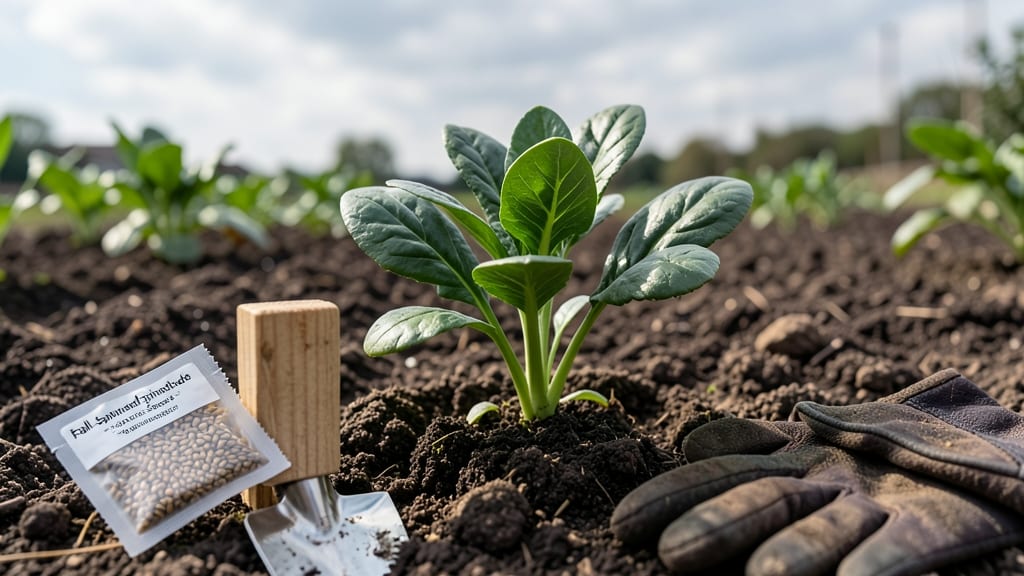
Timing your fall spinach planting in Zone 7 isn’t just about dropping seeds—it’s about catching that sweet spot between summer’s lingering heat and winter’s first frost. Plant too early, and you’ll end up with bitter, bolted greens.
Too late, and you’ll miss the harvest window entirely. The key? A 4-week pre-frost schedule that aligns with Zone 7’s unique climate quirks.
Here’s the secret: late summer to early fall is your golden window, but not just any week will do. We’re talking mid-August to early September for direct sowing, or late August for transplants, depending on your microclimate.
Why? Because spinach 🥬 thrives in cooler temps but wilts under late-summer heat. Get this right, and you’ll enjoy tender, sweet leaves through November—even after light frosts.
But what if your Zone 7 patch runs hotter or cooler than average? I’ll show you how to adjust for early or delayed frosts, plus which varieties handle Zone 7’s unpredictable fall weather best.
Spoiler: It’s not just about the calendar—soil prep, shade strategies, and even a little row cover magic make all the difference.
Ready to skip the guesswork? Let’s break down the exact steps—from soil prep to post-planting care—to ensure your spinach grows stronger, faster, and longer than ever before. No more wasted seeds or half-hearted harvests!
Optimal planting windows for fall spinach in Zone 7 (with frost dates)
In USDA Zone 7, fall spinach loves the cooler temperatures but struggles with lingering summer heat. The key is planting 4-6 weeks before your first frost date—typically between mid-August and early September—to avoid bolting (going to seed) from residual warmth.
For most Zone 7 regions, this means starting seeds or transplants around August 15 to September 1, with a backup window in early October if your fall is exceptionally mild.
Zone 7’s first frost usually arrives around October 15, but this can shift ±10 days based on elevation or microclimates. For example, higher elevations (like the Appalachians) may frost earlier, while urban areas with heat islands might delay it.
Always check your local frost calendar—the National Weather Service or Almanac are reliable sources.
Here’s the golden rule: Soil temperatures above 80°F will stress spinach seedlings, while daytime temps below 75°F signal it’s safe to plant. Use a soil thermometer to monitor—ideal planting temps hover around 60-70°F. If your August is scorching, opt for shade cloth or delay until early September.
| Planting Window | Zone 7 Frost Dates | Soil Temp Range | Spinach Variety Notes |
|---|---|---|---|
| Late August (Aug 15-31) | First frost: Oct 15 | 60-70°F (ideal) | 'Bloomsdale Long Standing' (heat-tolerant) |
| Early September (Sep 1-15) | First frost: Oct 15 (±5 days) | 55-65°F (safe) | 'Tyee' (frost-resistant, slow-bolting) |
| Early October (Oct 1-10) | First frost: Oct 25 (late zones) | 50-60°F (cold-hardy) | 'Space' (compact, great for containers) |
*Adjust for microclimates: Urban areas may delay frost by 1-2 weeks.
For direct sowing, scatter seeds ½ inch deep and 1 inch apart in rows spaced 12 inches apart. Thin seedlings to 4-6 inches apart once they’re 2 inches tall—this reduces competition and bolting.
If you’re using transplants, harden them off for 7-10 days before planting to avoid transplant shock from Zone 7’s temperature swings.
Pro tip: Succession planting every 2 weeks in late summer ensures a staggered harvest. For example, sow a batch on August 15, another on August 30, and a final one on September 15.
This way, you’ll have fresh spinach from October through December, even after light frosts.
Zone 7’s late-summer heat can trick spinach into bolting prematurely. To prevent this, choose slow-bolting varieties like 'Giant Winter' or 'Winter Giant' and keep seedlings well-watered (1 inch per week). Mulch with straw or shredded leaves to insulate roots and retain moisture during heat spikes.
If your fall is unusually warm, consider shade cloth (30-50%) during peak afternoon sun (1 PM–4 PM). This mimics cooler conditions and delays bolting by 10-14 days. Pair this with drip irrigation to keep roots consistently moist—spinach hates drying out, even in fall.
Remember: Spinach is a cool-season crop, but it’s not frost-proof. While it can tolerate light frosts (28-30°F), prolonged freezes below 20°F will damage leaves. Plan your last planting 6 weeks before your average first frost to ensure a harvest before winter sets in.
Optimal planting windows for fall spinach in Zone 7 (with frost dates)
In Zone 7, your fall spinach success hinges on planting 4-6 weeks before the first frost—typically mid-August to early September. This window balances cooling temperatures with enough daylight for strong growth.
For direct sowing, aim for late August when soil temps drop below 80°F, while transplants thrive when planted 2-3 weeks earlier to establish roots before heat spikes.
Zone 7’s average first frost lands around October 15, but microclimates vary. Coastal areas may see frost 2 weeks earlier, while inland spots could delay until November 1.
Check your local USDA frost calendar—this is your planting deadline. Planting too early risks bolting (bitter stems) from residual summer heat, while late plantings may not mature before frost.
Here’s your Zone 7 planting timeline for maximum yield:
| Planting Method | Optimal Window | Soil Temp | Days to Harvest |
|---|---|---|---|
| Direct Sowing | Late August | Below 80°F | 30-45 days |
| Transplants | Early to mid-August | Below 75°F | 40-50 days |
| Succession Planting | Every 2 weeks until Sept 15 | Below 70°F | 25-35 days |
For direct sowing, scatter seeds ½ inch deep in rows 12 inches apart, thinning seedlings to 4 inches apart when they’re 2 inches tall. Transplants should be hardened off for 7-10 days before planting to avoid shock from Zone 7’s temperature swings.
Pro tip: Use shade cloth for late-August plantings to protect young seedlings from lingering heat.
Zone 7’s late-summer heat can stress spinach, so prioritize morning watering and evening mulching with straw. Aim for 1 inch of water weekly, delivered at soil level to prevent fungal diseases.
If your area experiences early frosts, opt for cold-hardy varieties like ‘Tyee’ or ‘Bloomsdale Long Standing’—they tolerate 20°F without bolting.
Remember: Soil prep is non-negotiable. Amend your beds with compost and a balanced fertilizer (5-10-10) before planting. Spinach thrives in slightly acidic soil (pH 6.0-7.0), so test your beds in early August.
If your soil runs cooler than usual (common in Zone 7’s humid microclimates), add a thin layer of black plastic 1-2 weeks before planting to warm the soil.
With these timing tweaks, your Zone 7 spinach will deliver sweet, tender leaves from October through December—long after your neighbors’ gardens have gone dormant. 🌱