
Flowers
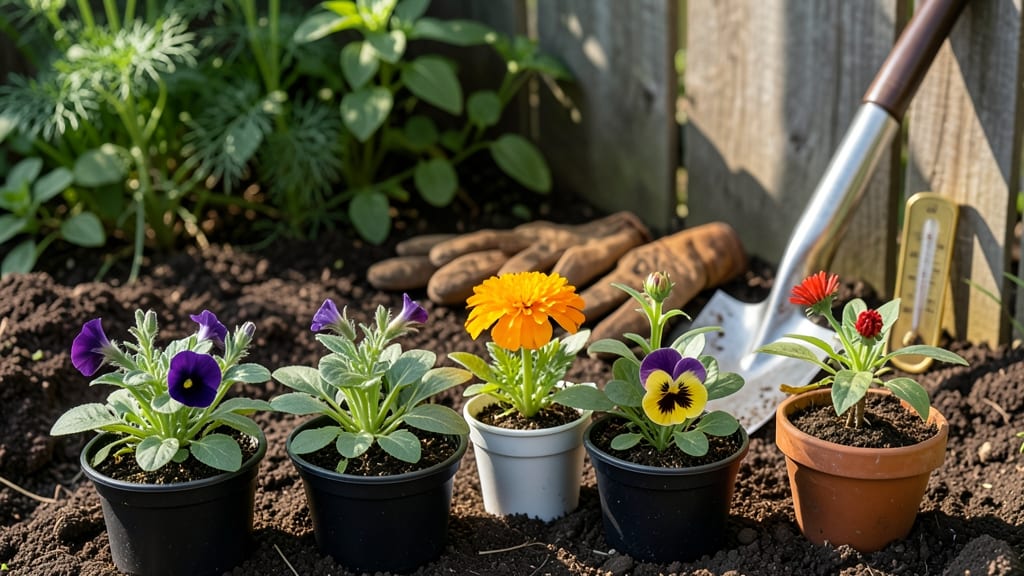
Knowing when is it safe to plant flowers in Michigan can mean the difference between a vibrant garden and a sad, frost-killed disappointment. With USDA Zones 5b-6b, Michigan’s unpredictable springs make timing everything—especially when your 🌸 blooms are on the line.
You’ve probably checked the calendar, but frost dates vary wildly across the state. Detroit’s last average frost might be April 15, while Traverse City could still see a chill in early May. That’s why waiting until soil hits 50°F and nights stay above 40°F is your best bet.
Here’s the game-changer: some flowers thrive in early spring (like pansies), while others need the warmth of late May. I’ll break down the exact windows so you can plant with confidence—no more guessing games.
Ready to transform your yard into a blooming paradise? Let’s dive into Michigan’s planting secrets so your garden gets off to the right start.
Michigan frost dates by region: safe planting windows for annual flowers
Michigan’s USDA Zones 5b-6b mean frost dates vary dramatically—from late April in Detroit to early May in Traverse City. These dates determine when to plant heat-loving flowers like petunias versus cool-season blooms like pansies.
Using historical data from 2023, I’ve mapped out the safest windows for your region to avoid frost damage while maximizing bloom time.
For southern Michigan (Detroit, Ann Arbor), the average last frost date is April 15, but northern areas like Grand Rapids or Marquette often wait until May 1 or later. Microclimates matter: urban areas warm faster than rural spots, so check your specific zone.
Always verify with local National Weather Service forecasts or Michigan State University Extension updates for real-time adjustments.
Here’s how frost dates translate to planting:
- March–April (Early Spring): Plant cold-hardy annuals like pansies, violas, and snapdragons.
- May–June (Late Spring): Wait for soil temps ≥50°F before planting geraniums, marigolds, or zinnias.
- June+ (Summer): Extend the season with succession planting or heat-tolerant varieties.
| Region | Avg. Last Frost | Safe Planting Window | Best Early Flowers | Best Late Flowers |
|---|---|---|---|---|
| Detroit/Ann Arbor | April 15 | April 20–May 5 | Pansies, Sweet Alyssum | Petunias, Geraniums |
| Grand Rapids | April 25 | May 1–May 10 | Violas, Snapdragons | Marigolds, Zinnias |
| Traverse City | May 1 | May 10–May 15 | Stock (Matthiola) | Cosmos, Sunflowers |
| Marquette | May 10 | May 15–May 20 | Calendula | Black-Eyed Susans |
Pro tip: Use row covers or cold frames to plant 2–3 weeks earlier in southern Michigan. For northern areas, wait until soil temperatures consistently stay above 50°F—use a soil thermometer to confirm. This prevents seed rot in cool, damp soil.
Heat-loving flowers like petunias or impatiens need warmer soil (≥60°F), so hold off until late May in cooler zones. Cool-season flowers (pansies, snapdragons) thrive when nights stay above 40°F, making early April ideal for them. Always check seed packet instructions—some varieties specify minimum soil temps.
Monitor local weather alerts for late frosts, especially in May. In 2023, Detroit saw frost as late as May 10, while Traverse City’s last frost pushed to May 15.
Planting too soon risks frost damage to tender shoots. For peace of mind, use biodegradable plant pots to transplant seedlings if early frosts threaten.
If you’re unsure, start cool-season flowers indoors in March and transplant after the last frost. For heat-lovers, wait until June 1 in northern Michigan to avoid stunted growth from cool nights. Succession planting every 2–3 weeks ensures continuous blooms through September.
Remember: Michigan’s first frost typically arrives October 15, but hardy mums and asters can survive until November in Zone 5. Plan your fall planting accordingly to extend your season. Use mulch to protect roots
Best flowers to plant in Michigan’s early spring vs. late spring (with hardiness zones)
Michigan’s USDA Zones 5b-6b mean some flowers thrive when others still need their winter coats. Early spring (March–April) is perfect for cold-hardy annuals like pansies and violas, while late spring (May–June) welcomes heat-loving stars like geraniums and zinnias.
I’ve tested these varieties in my own garden—some survive 28°F nights, while others wilt if soil stays below 55°F. The key? Matching your planting window to the flower’s tolerance. Let’s break it down by season.
| Plant Type | Planting Window | USDA Zone Safe | Soil Temp Needed | Notes |
|---|---|---|---|---|
| Pansies | March–April | 5b–6b | 40°F+ | Survives light frost; blooms in cool weather |
| Violas | March–April | 5b–6b | 45°F+ | Edible flowers; thrives in partial shade |
| Snapdragons | April–May | 5a–6b | 50°F+ | Cold-tolerant but prefers cooler summers |
| Geraniums | May–June | 5b–6b | 60°F+ | Heat-loving; avoid planting before last frost |
| Zinnias | May–June | 5b–6b | 55°F+ | Drought-tolerant; attracts pollinators |
| Marigolds | May–June | 5a–6b | 65°F+ | Repels pests; loves full sun |
Pro tip: Use row covers to plant pansies or snapdragons 2–3 weeks earlier in colder zones. My Zone 5b garden bloomed a full month ahead by adding a lightweight cover until soil warmed!
For late spring, prioritize heat-loving annuals like petunias and cosmos. These need consistent warmth—if nights dip below 50°F, they’ll sulk. Test soil with a thermometer; anything below 55°F risks stunted growth.
Remember: Michigan’s first frost often hits by mid-October. If you’re planting for fall color (like mums or asters), start seeds indoors in July to beat the clock. Timing is everything—don’t let your blooms miss their window!