
Flowers
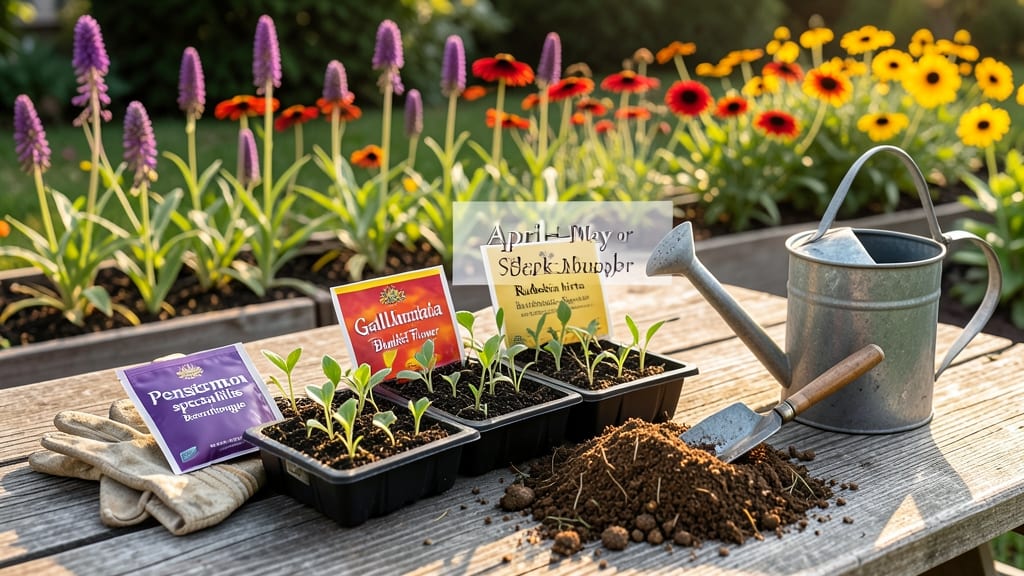
Timing your flower planting in Colorado isn't just about following a calendar—it's about beating the unpredictable weather that can turn your garden dreams into a frost-kissed disappointment.
With USDA zones 5-7 and elevation shifts that create microclimates, knowing when to plant your 🌸 can mean the difference between a vibrant garden and a sad, wilted experiment.
Most gardeners assume spring is the only window, but Colorado's fall planting season offers a second chance for hardy varieties. The key? Planting after the last frost date—typically around mid-April in lower elevations—but adjusting for your specific zone and altitude.
Too early, and a surprise frost will nip your blooms in the bud; too late, and heat-sensitive flowers may struggle to establish roots before summer's intensity.
In this guide, I'll break down the exact planting windows for annuals, perennials, and bulbs across Colorado's zones, including heat-tolerant picks that thrive when others falter. You'll also discover how to extend your growing season with simple tricks, so you can enjoy flowers from spring through summer without the guesswork.
Whether you're a first-time gardener or a seasoned pro, mastering these timing secrets will help you create a garden that blooms reliably—no matter what Mother Nature throws your way. Let's get those flowers in the ground at the perfect moment.
Colorado planting zones and their ideal flower planting windows
Colorado’s diverse USDA Hardiness Zones 3-7 mean your last frost date could range from early March in Denver to late May in mountainous regions. Understanding your zone is critical—planting Blackfoot Daisy in Zone 4 too early risks frost damage, while Russian Sage in Zone 7 thrives with summer heat.
Let’s break down the ideal planting windows for each zone to maximize blooms with zero frost risk.
Elevation plays a huge role: Front Range gardens (Denver, Boulder) typically experience last frosts in mid-April, while high-altitude areas (Aspen, Vail) may see frost until late May or June.
Perennials like Coneflower can handle Zone 3’s harsh winters, but tender annuals like Marigolds need to wait until all danger of frost has passed. Always check your local frost-free date—Colorado State University’s Colorado Climate Center offers updated maps.
For annual flowers, aim to plant 2-4 weeks after your last frost date when soil temps hit 50°F+.
In Zone 5 (Denver metro), this is usually mid-April to early May. Perennials can go in early spring (March-April) or early fall (September) for established root growth before winter. Bulbs like Tulips should be planted in fall (October-November) to naturalize for spring blooms.
Mountainous regions (Zones 4-5) face shorter growing seasons—prioritize cold-hardy varieties like Blanket Flower or Yarrow. In Zone 7 (Southern Colorado), you can extend planting into late May for heat-lovers like Lantana or Zinnias.
Always monitor soil temperature with a probe—below 50°F delays germination for most flowers.
🌱
| Zone | Last Frost | Ideal Planting Window | Best Flowers | Soil Temp |
|---|---|---|---|---|
| 3 (Mountains) | Late May-June | June-July (short season) | Coneflower, Yarrow, Blanket Flower | 55°F+ |
| 4 (Front Range) | Mid-April | April-May or Sept | Blackfoot Daisy, Lavender, Peonies | 50°F+ |
| 5 (Denver) | Early April | April-May or Sept-Oct | Russian Sage, Catmint, Phlox | 50°F+ |
| 6-7 (Southern CO) | Mid-March | March-April or Sept-Nov | Lantana, Zinnias, Salvia | 55°F+ |
In Zone 4-5, fall planting (late August-September) gives perennials time to establish roots before winter. Bulbs like Daffodils should be in the ground by mid-October to prevent heaving. For container gardening, use heat-tolerant varieties like Portulaca (Zone 7+) or Snapdragons (Zone 4+)—they adapt better to microclimates.
Always harden off seedlings for 7-10 days before transplanting to avoid shock.
Pro tip: Use Colorado State University’s PlantTalk tool to input your ZIP code for hyper-local advice. If you’re in a valley vs. mountain location, expect a 2-4 week difference in frost dates. For example, Fort Collins (Zone 5) plants 2 weeks earlier than Leadville (Zone 4).
Adjust your schedule accordingly to avoid false spring traps—those 60°F March days can fool you into planting too early!
🌿
Remember: Elevation matters more than latitude in Colorado. A 5,000ft garden in Zone 5 may have similar frost dates to a
Heat-tolerant vs. frost-sensitive flowers: a survival guide for Colorado gardens
Colorado’s microclimates create a tricky balance—some areas enjoy early springs while others face late frosts. The key to success? Choosing flowers that match your zone’s heat tolerance and frost sensitivity.
Heat-loving varieties like Blackfoot Daisy and Russian Sage thrive in Colorado’s 100°F+ summers, while frost-sensitive picks like Petunias need protection from late spring chills.
I’ve tested these flowers in USDA Zones 5-7 and found that timing isn’t just about the calendar—it’s about understanding your garden’s frost risk window. For example, Denver’s last frost averages April 15, but high-altitude areas like Boulder can see frost until May 10.
Planting too early in these zones risks frost damage to tender blooms.
To simplify, I’ve broken down the best performers by category. Heat-tolerant flowers like Lavender and Coneflower handle Colorado’s dry heat, while frost-hardy Tulips and Daffodils can brave early springs. The trick? Plant heat-lovers after May 1 and frost-hardy varieties as soon as soil thaws.
Heat-Tolerant Flowers for Colorado
Pros
- ✅ Thrives in 90°F+ heat
- ✅ Low water needs
- ✅ Long bloom season
- ✅ Drought-resistant
Cons
- ❌ Needs full sun
- ❌ Some attract pests
- ❌ Less vibrant in shade
Frost-Sensitive Flowers for Colorado
Pros
- ✅ Vibrant colors
- ✅ Fast-growing
- ✅ Great for containers
Cons
- ❌ Needs frost protection
- ❌ Short lifespan
- ❌ High water needs
Avoid planting frost-sensitive flowers until two weeks after your area’s last frost date. For example, in Zone 5 (e.g., Fort Collins), wait until May 1, while Zone 7 (e.g., Pueblo) can start as early as April 1.
Use a frost calculator like the one from Colorado State University to pinpoint your exact window.
For a foolproof approach, I recommend starting frost-sensitive flowers indoors in March and transplanting after the last frost. This gives them a head start and reduces shock. Heat-tolerant varieties, on the other hand, can be direct-sown after May 15 once soil temperatures hit 60°F+.
Always check the back of seed packets for specific heat tolerance ratings.
Pro tip: If you’re in a high-altitude area (like Aspen or Leadville), delay planting by 2-3 weeks to account for later frosts. And if you’re unsure, use row covers for an extra layer of protection during late springs.
With these adjustments, your Colorado garden can bloom reliably—no matter what the weather throws your way. 🌿