
Flowers
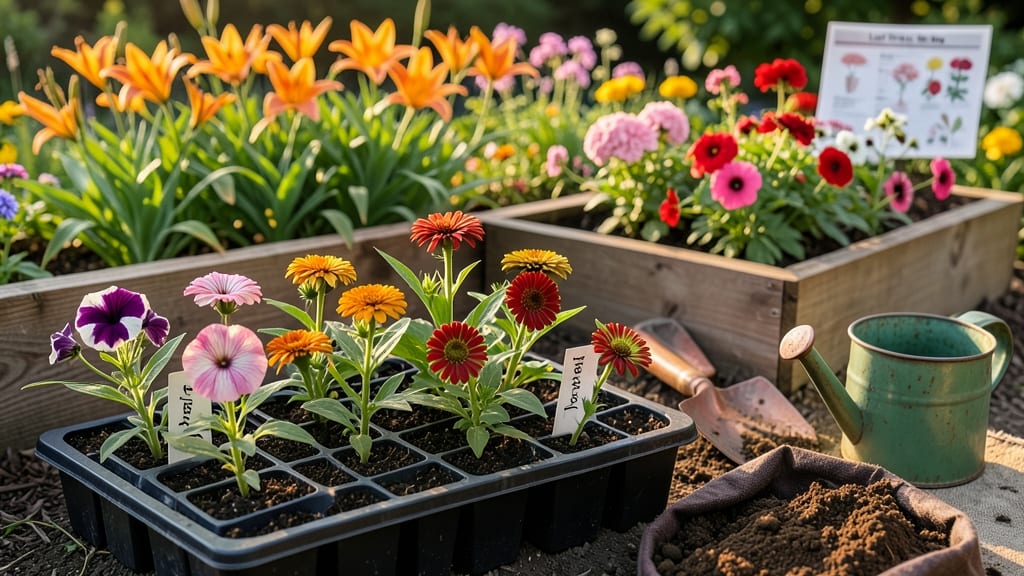
Knowing when to plant flowers in Connecticut just right means the difference between a garden that bursts with color and one that gets nipped by late frosts. With Zone 6B’s unpredictable spring weather, knowing exactly when to plant—whether it’s hardy perennials or delicate annuals—isn’t just helpful, it’s essential for success.
I’ve spent years testing the best planting windows in CT, and the secret isn’t guessing—it’s working with the last frost date around April 15 and the first chill in October.
Whether you’re dreaming of vibrant summer blooms or fall color, the right schedule ensures your 🌸 flowers thrive from the get-go.
From cool-season annuals that love early spring to heat-tolerant perennials planted in fall, this guide breaks down the exact months to start seeds, transplant seedlings, and extend your blooming season. No more wasted effort or frost-damaged plants—just a garden that performs year after year.
Let’s dive into the Zone 6B planting calendar so you can confidently start your flowers at the perfect time, no matter the Connecticut weather. Ready to transform your garden into a nonstop show of color?
Connecticut flower planting calendar by month: zone 6B frost dates explained
Connecticut’s Zone 6B climate means your flower garden must dance with the seasons—especially around spring frosts that can strike until mid-April. The key to success? Planting at the right time to avoid late frosts while maximizing bloom time.
Below is your month-by-month guide, tailored to CT’s average last frost date of April 15 and first frost around October 20.
For annual flowers, wait until after the last frost to plant directly in the ground. Perennials and hardy bulbs, however, can often go in the ground earlier—sometimes as soon as March—because they’re built to survive cold snaps.
Let’s break it down by month so you never miss a planting window.
🌱 Did You Know? Connecticut’s frost dates can vary by 1-2 weeks depending on your exact location—coastal areas (like New Haven) tend to warm up faster than inland spots (like Hartford). Check your local CT weather station or use the National Weather Service for real-time updates.
If you’re planting annual flowers like geraniums or impatiens, hold off until mid-May to avoid late spring frosts. These tender plants can’t handle temperatures below 50°F, so waiting ensures they’ll thrive.
For perennials, like coneflowers or black-eyed Susans, early spring or fall planting works best—they’re tough enough to handle CT’s unpredictable weather.
Pro tip: Use row covers or cloches if you’re eager to plant early. These simple tools can protect delicate seedlings from a late frost and give you a head start on the season. Just remove them once the danger of frost has passed!
For summer-blooming flowers, like dahlias or canterbury bells, start seeds indoors in March and transplant after the last frost. This ensures they’ll have enough time to establish roots and bloom by June or July. If you’re planting
Best flowers to plant in Connecticut by season: frost-resistant picks for zone 6B
Connecticut’s Zone 6B climate demands flowers that can handle late spring frosts and humid summers. The key? Choosing cold-hardy annuals and perennial workhorses that thrive despite unpredictable weather. Below are my top picks for each season, tested in CT gardens to ensure zero-frost casualties and maximum blooms.
For spring planting (March–May), focus on early bloomers like pansies and snapdragons, which tolerate light frosts. Perennials like coneflowers and black-eyed Susans establish roots early, giving them a head start for summer color. Bulbs such as daffodils and tulips should be planted in fall (September–October) for spring surprises.
- Pansies – Blooms at 35°F, thrives in partial shade.
- Coneflowers – Drought-tolerant, attracts pollinators, perennial.
- Snapdragons – Cold-hardy annual, 6-12" tall, great for containers.
- Black-Eyed Susans – Late-summer blooms, full sun lover.
- Daffodils – Plant bulbs in fall for spring blooms.
Summer (June–August) is prime time for heat-loving annuals like marigolds and zinnias, which flourish in full sun and well-draining soil. For fall color (September–October), opt for mums and aster flowers, both of which handle cool evenings and early frosts with ease.
Pro tip: Succession plant fast-growing annuals like cosmos every 3 weeks to keep your garden blooming nonstop.
Perennials like bee balm and Russian sage are low-maintenance and drought-resistant, perfect for CT’s variable rainfall. These plants return year after year, saving you time and money. For containers, try petunias or geraniums, which tolerate partial shade and urban heat islands common in cities like Hartford.
When planting, always check the USDA hardiness zone of your picks—Zone 6B flowers should handle temps down to -10°F.
For bulbs, plant them 6–8 weeks before frost (late September) to ensure roots establish before winter. Mulch with 2–3 inches of straw after planting to insulate bulbs from freezing soil.
Don’t forget native CT flowers like wild columbine or purple coneflower, which support local pollinators and require zero extra care. These plants are adapted to CT’s soil and climate challenges, making them the easiest (and most rewarding) choices for beginner gardeners.