
Plants
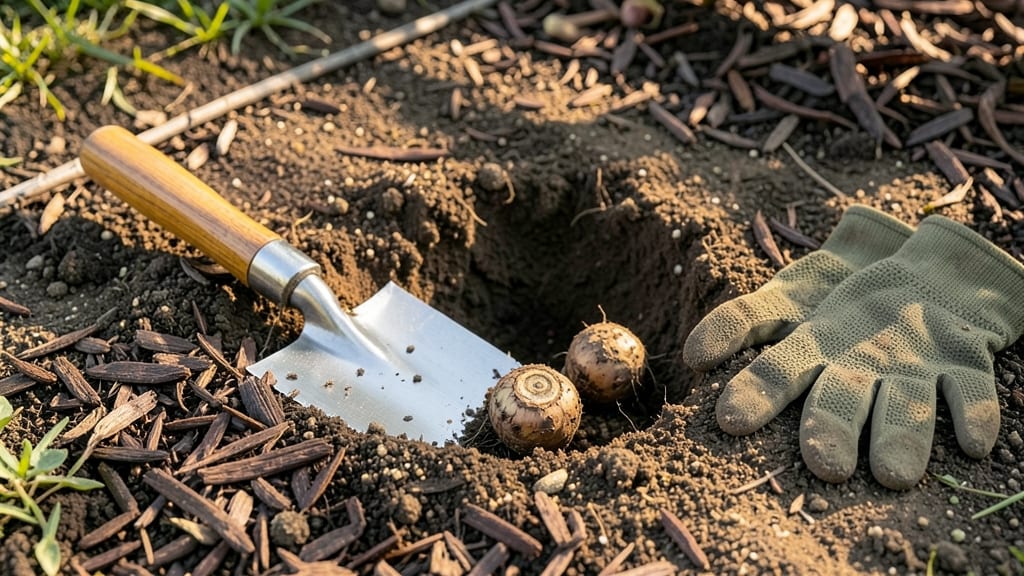
When to plant dahlias in Kansas can make all the difference between a thriving summer garden and a disappointing one. The ideal window—April 15 to May 15—aligns with when the last frost typically passes in Zone 6b, but even a few days late can stress young tubers.
Here’s the kicker: Kansas’ unpredictable spring weather means you can’t just follow a calendar. Soil temperature matters more than dates—wait until it hits 60°F at least 6 inches deep before planting. That’s your real deadline, not the frost date.
Missed the window? Don’t panic. I’ll show you how to stretch your dahlias’ growing season with simple tricks, like using row covers or pre-sprouting tubers indoors. Even if you’re a few weeks late, these methods can save your blooms.
Let’s dive into the exact steps to plant dahlias in Kansas—whether you’re starting on time or playing catch-up. Your garden’s summer color depends on it.
Kansas Zone 6b dahlia planting deadlines: exact dates by last frost risk
Timing is everything when planting dahlias in Kansas, especially in Zone 6b where late frosts can still strike after April 15. The ideal window is between mid-April and mid-May, but your exact deadline depends on local frost risk and soil warmth.
Most Kansas gardeners aim to plant after the last frost date, but I’ve learned the hard way that waiting for perfect conditions can backfire—especially with tender dahlia tubers.
In Kansas, the average last frost date hovers around April 15, but this can shift 1-2 weeks earlier or later depending on your specific location. For example, Wichita’s frost-free date is typically April 20, while Topeka sees it by April 10.
Always check your local Almanac frost predictions or use a soil thermometer to confirm soil temperatures above 55°F—this is your green light to plant.
Pro Tip: If your soil is still chilly, pre-sprout your tubers indoors under grow lights (6-8 weeks before planting). This gives you a 2-3 week head start on the season and helps compensate for late frosts. I’ve used this trick in my Zone 6b garden to push blooms from July instead of August.
If you’re planting in early May, protect your dahlias with frost cloth or row covers until the soil warms to at least 60°F. I’ve had success using black plastic mulch to speed up soil warming—it can raise temperatures by 5-10°F in just a few days.
For late plantings, consider container gardening with 5-gallon pots; you can move them to a sunny patio or garage at night if frost threatens.
Another critical factor is tuber depth. Plant dahlias 4-6 inches deep, with the eyes facing upward. In Kansas’ clay-heavy soils, I always mix in compost and perlite to improve drainage—waterlogged tubers rot in 24-48 hours.
Space plants 12-18 inches apart for dwarf varieties and up to 3 feet apart for tall 6-foot giants.
Don’t make the mistake of planting too early. Cold soil slows root growth, making tubers vulnerable to rot and pests. I once planted a batch in mid-April when the soil was only 50°F, and 70% of my tubers failed.
Always wait for consistent daytime highs above 65°F before committing to the garden.
For extended-season blooms, try planting a second batch in late June using pre-sprouted tubers. This gives you late-summer flowers when many other perennials are fading. Just be sure to harden off your indoor-sprouted tubers for 7-10 days before transplanting to avoid shock.
Finally, mark your calendar for October 15, the average first frost date in Kansas. This is your cue to dig up and store tubers before freezing temperatures arrive.
I wrap mine in damp peat moss and store them in a cool, dark basement at 35-40°F—this keeps them viable for next year.
By following these Zone 6b-specific deadlines, you’ll maximize your dahlias’ bloom time and resilience—no more wasted tubers or missed deadlines! 🌸
Kansas Zone 6b dahlia planting deadlines: exact dates by last frost risk
Kansas gardeners in Zone 6b face a tight window for planting dahlias—typically between April 15 and May 15. Missing this window risks frost damage to tender tubers, but don’t panic! With the right strategies, you can still grow stunning dahlias even if you plant late.
The key is understanding your last frost date, which in Kansas usually falls around April 15, but can fluctuate yearly.
For reliable results, wait until the soil temperature reaches at least 55°F—a critical threshold for tuber growth. Use a soil thermometer to check, especially in cooler Kansas springs. Planting too early in chilly soil can stunt root development and invite rot.
If your area experiences late frosts, consider pre-sprouting tubers indoors to give them a head start before transplanting outdoors.
| Stage | Action | Kansas Timeline |
|---|---|---|
| Pre-Sprouting | Indoor tuber prep (3-4 weeks before last frost) | Early April |
| Soil Prep | Amend soil with compost; ensure drainage | Mid-April |
| Planting | Tubers 4-6" deep, 12-18" apart | April 15–May 15 |
| Frost Watch | Use row covers if frost predicted | May 1–15 (backup window) |
If you’re planting after May 15, focus on container gardening or raised beds, which warm up faster than in-ground soil. Choose heat-tolerant varieties like 'Café au Lait' or 'Bishop'—these varieties handle Kansas’ summer heat better than delicate types.
Always plant tubers with the eyes facing upward; this ensures proper growth direction and avoids stunted plants.
Another pro tip: mulch heavily with straw after planting to maintain soil warmth and moisture. In Kansas’ dry climate, mulch also suppresses weeds, reducing competition for nutrients.
Avoid overwatering—dahlias prefer consistent moisture but hate soggy roots. Water deeply in the morning to let foliage dry before evening, preventing fungal diseases like powdery mildew.
For gardeners in northern Kansas (Zone 5b), push your planting window to May 1 to avoid frost entirely. Southern Kansas (Zone 7a) can plant as late as May 20, but prioritize well-draining soil to prevent rot.
Always monitor your local Almanac frost predictions—they’re your best guide for adjusting timelines each year.
Remember, dahlias are perennials in Kansas if you dig and store tubers properly over winter. With the right timing and care, you’ll enjoy vibrant blooms from July through October, turning your garden into a showstopper. Start now, and you’ll be cutting fresh dahlias for bouquets in no time!