
Plants
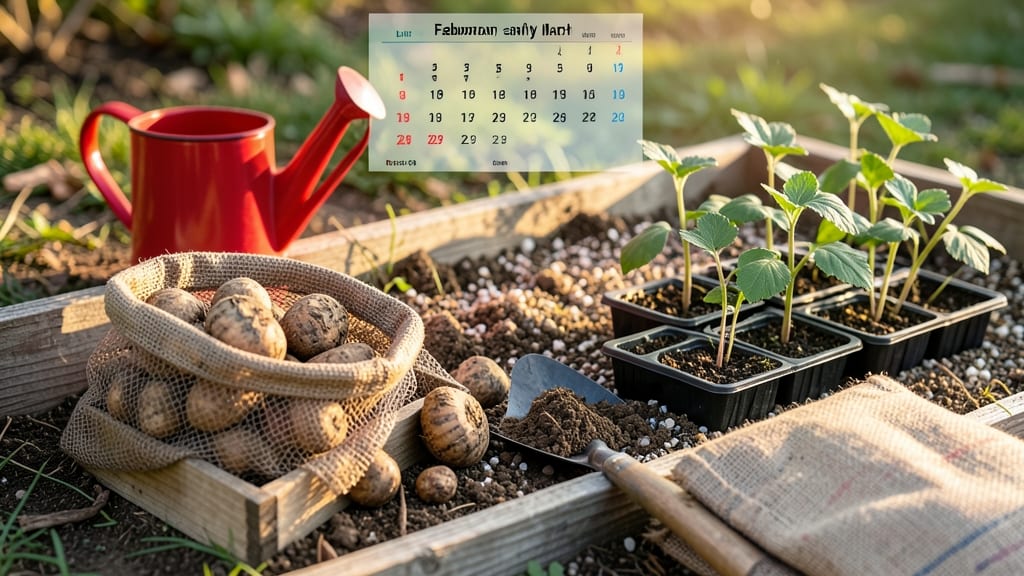
Knowing when to plant dahlias in Zone 9b can transform your summer garden from a wilting disappointment into a vibrant oasis of 🌼 color—just in time for fall.
Unlike cooler climates, Zone 9b’s scorching summers demand a different approach, and timing is everything to avoid heat stress on your precious tubers.
Most gardeners assume spring is the only window, but in Zone 9b, the key is planting late winter to early spring—when soil temperatures hit 60°F—to give dahlias a head start before the real heat arrives.
This strategy helps roots establish before the intense summer sun kicks in, setting the stage for those stunning blooms you’ve been dreaming of.
What’s even more surprising? You can actually plant dahlias twice a year in this zone—once in early spring and again in late summer—to extend your blooming season.
But getting the timing right means avoiding common pitfalls like bolting or stunted growth, which can turn your garden into a sad, brown-eyed monster instead of a showstopper.
I’ll walk you through the exact planting schedule, soil prep tricks, and aftercare secrets to keep your dahlias thriving despite the desert-like conditions. Let’s make sure your dahlias don’t just survive Zone 9b’s heat—they dominate it.
Optimal planting timeline for dahlias in Zone 9b’s hot climate
Zone 9b’s intense summer heat can turn dahlias into a high-maintenance challenge if you plant at the wrong time. Unlike cooler climates, dahlias here thrive when planted late winter to early spring—specifically February through March—to avoid the peak heat.
This timing lets tubers establish roots before temperatures soar above 90°F (32°C), which stresses young plants.
Dahlias are tender perennials, meaning they can’t handle prolonged heat stress. In Zone 9b, planting too early (January) risks rot from cool, wet soils, while planting too late (April+) exposes them to heat shock before root systems mature.
The sweet spot? Mid-March when soil temps hit 60°F (15°C) and nights stay above 50°F (10°C).
🌼
| Planting Window | Soil Temp Threshold | Moon Phase Ideal | Risks to Avoid |
|---|---|---|---|
| February (Early) | 55-60°F (13-15°C) | Waxing Gibbous | Rot from cool, wet soil |
| Mid-March (Optimal) | 60-65°F (15-18°C) | Full Moon | Heat stress if delayed |
| Late March (Latest Safe) | 65-70°F (18-21°C) | Waning Crescent | Bolting from heat shock |
| April+ (Risky) | Above 75°F (24°C) | Avoid | Stunted growth, wilting |
For extended fall blooms, some gardeners in Zone 9b experiment with late summer planting (August-September) for varieties like ‘Café au Lait’ or ‘Bishop’, which tolerate mild heat better. However, this requires extra shade during the hottest hours and daily watering to prevent stress.
I’ve seen success with this method in partial shade beds near patios or under 50% shade cloth.
Moon phases matter in Zone 9b too! Planting during the waxing gibbous (just before full moon) encourages strong root growth, while the waning crescent (just after full moon) promotes flower bud formation. Check a lunar planting calendar for your exact dates—it’s a game-changer for heat-sensitive plants like dahlias.
Pro tip: Pre-soak tuber clusters in lukewarm water for 4-6 hours before planting. This jumpstarts hydration and helps them recover faster from transplant shock in Zone 9b’s dry air. I swear by this trick—my dahlias sprout 3-5 days earlier when I skip this step!
If you’re in a desert microclimate (like Phoenix), aim for early February to beat the 100°F+ (38°C+) summers. Coastal Zone 9b areas (like San Diego) can push planting to late March thanks to milder nights.
Always check your local microclimate—even a few blocks can make a difference in tuber survival.
🌡️
Heat acclimation is key after planting. For the first 2 weeks, provide 30-50% shade during 11 AM–3 PM using floating row covers or lightweight shade cloth. Gradually reduce shade to full sun by week 3 to harden plants. I use white polyester fabric (breathable and UV-resistant) for this—it’s a lifesaver in Zone 9b’s brutal afternoon sun.
Remember: Dahlias in Zone 9b are seasonal performers. They’ll bolt (prematurely flower) if stressed by heat, so consistent moisture and proper spacing (12-18 inches apart) are non-negotiable. With the right timing, you’ll enjoy vibrant blooms from July through October—just in time for fall weddings and holiday arrangements!
Optimal planting timeline for dahlias in Zone 9b’s hot climate
In Zone 9b, where summers can hit 100°F+, timing your dahlia planting isn’t just about seasons—it’s about survival. Unlike cooler climates, dahlias here thrive when planted late winter to early spring (February–March) to beat the heat.
This window ensures tubers establish roots before soil temperatures climb above 80°F, which can shock delicate new growth.
The key is planting when soil reaches 60°F—use a soil thermometer to check. In Phoenix or coastal Southern California, this typically aligns with mid-February to early March.
Waiting too late risks bolting (premature flowering) or stunted growth, while planting too early can expose tubers to unpredictable late-winter warmth without root strength to handle it.
Here’s the game-changer: Zone 9b gardeners can plant dahlias twice a year. A second planting in late summer (August–September) yields stunning fall blooms, but tubers must be hardened off first. This second window works because dahlias mature quickly—just 60–90 days to bloom—so they finish before winter’s chill sets in.
🌱 Zone 9b Dahlia Planting Comparison
| Planting Window | Soil Temp | Bloom Time | Heat Risk |
|---|---|---|---|
| Late Winter (Feb–Mar) | 60–70°F | Summer–Fall | Low (early roots) |
| Late Summer (Aug–Sep) | 75–85°F | Fall Only | Moderate (quick growth) |
💡 Pro Tip: Use moon planting charts for Zone 9b—root crops (like dahlias) thrive during the waxing gibbous phase for stronger tubers.
Moon phases matter in Zone 9b because the intense sun can dry out soil quickly. Planting during the waxing gibbous (when the moon is >50% full) encourages deeper root growth, helping dahlias withstand the heat.
Avoid planting during a full moon, as this can lead to leggy, weak stems that flop in summer’s humidity.
For heat-sensitive varieties like ‘Café au Lait’ or ‘Thomas Edison’, stick to the February–March window—these need time to acclimate. Hardier types like ‘Bishop’ or ‘Galaxy’ can handle the late-summer rush, but mulch heavily to retain moisture and shield roots from 110°F+ soil.
Remember: Zone 9b’s long growing season is your ally—dahlias planted in August can still bloom through October or November if given proper care. The trick is shade cloth during the hottest afternoon hours (1–4 PM) to protect young plants while they establish.