
Plants
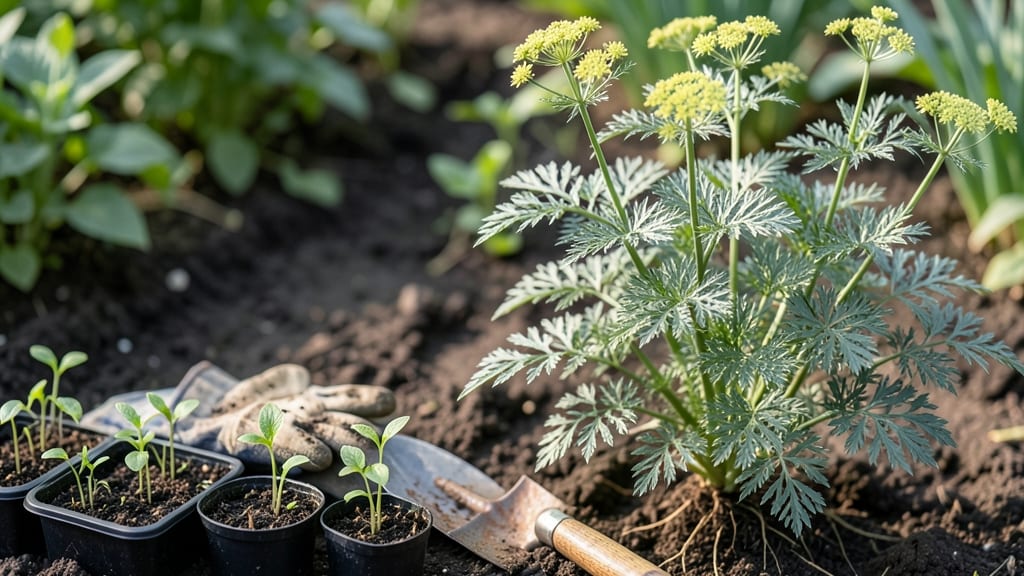
If you’ve ever planted dill in Southern California only to watch it wilt under the summer sun, you’re not alone. The key to growing lush, flavorful dill here lies in timing—specifically, knowing exactly when to plant dill to avoid heat stress and maximize your harvest.
Unlike cooler climates, Southern California’s 9b-11 zones offer a unique advantage: nearly year-round growing potential. But even here, dill thrives best when planted during the cooler months of fall and early spring, giving it a fighting chance against the scorching summers.
Let’s break down the perfect planting windows—plus heat-resistant varieties—that’ll keep your 🌿 dill happy and productive.
Whether you’re a coastal gardener with milder temperatures or an inland grower facing more extreme heat, this guide covers the ideal months to sow dill seeds directly or start indoors.
You’ll also discover how to stretch your harvest season with simple tricks, so you’re not left scrambling for fresh dill when summer rolls in.
Ready to grow dill that doesn’t bolt or burn? Let’s dive into the exact schedule and tips that’ll transform your garden—and your cooking—this year.
Best months to plant dill in Southern California’s climate zones
Southern California’s mild winters and intense summers create unique challenges for growing dill. Unlike cooler regions, you can plant dill twice a year—once in fall/winter and again in early spring—to avoid the heat stress that causes bolting.
The key is timing: plant when temperatures hover between 50°F and 75°F for optimal growth.
Coastal areas like San Diego and Santa Barbara enjoy cooler microclimates, while inland zones like the Inland Empire or San Fernando Valley experience hotter, drier summers. This means your planting window shifts slightly depending on location.
For example, coastal gardeners can start seeds in late August, while inland growers should wait until September to avoid wilting.
Here’s the breakdown: Fall planting (August–October) gives dill time to mature before summer heat arrives, while spring planting (February–March) aligns with cooling trends. In both cases, aim to harvest before temperatures exceed 85°F—when dill bolts prematurely and loses flavor.
🌱
| Climate Zone | Best Planting Window | Harvest Window | Key Considerations |
|---|---|---|---|
| Coastal (e.g., San Diego, Santa Barbara) | Late August–October | October–December | Cooler temps extend growing season; watch for fog delays in spring. |
| Inland (e.g., Riverside, San Fernando Valley) | September–October | November–January | Hotter summers mean shade cloth is critical; prioritize evening harvests. |
| Desert (e.g., Palm Springs, Coachella Valley) | October–November | December–February | Extreme heat requires drip irrigation and mulch to retain moisture. |
| Spring Planting (All Zones) | February–March | April–May | Harvest before June heat; use shade nets if planting early. |
For direct sowing, scatter seeds ¼-inch deep in well-draining soil with full sun exposure. Coastal gardeners can even try a winter crop (December–January) if they protect seedlings from light frosts (rare but possible in inland valleys).
The goal is to ensure dill matures before summer solstice, when days grow too long and trigger bolting.
If you miss the fall window, don’t despair—succession planting every 2–3 weeks in spring can keep your kitchen stocked. Just remember: dill seeds need consistent moisture to germinate, so water lightly daily until sprouts appear (typically 7–14 days).
Pro tip: Mulch heavily around plants to lock in moisture and regulate soil temperature. In inland areas, a 2–3 inch layer of straw can make the difference between a thriving dill patch and a wilted one.
💧
Finally, companion planting with cucumbers, lettuce, or rosemary can improve dill’s resilience. These plants share similar water needs and deter pests like aphids and spider mites, which thrive in Southern California’s dry heat.
By aligning your planting schedule with these companions, you’ll create a self-sustaining herb garden that outperforms isolated plantings.
✂️
Best months to plant dill in Southern California’s climate zones
Southern California’s unique microclimates—from coastal chill to inland heat—mean your dill planting schedule depends heavily on where you live. The ideal window for most areas is September through October for fall planting, followed by February to March for spring. These months give dill a head start before summer’s intensity peaks.
Coastal regions like Malibu or Santa Barbara enjoy milder summers, allowing for a slightly extended window into late October or early November. In contrast, inland areas like Palm Springs or Riverside should aim for September sowing to avoid the brutal heat that arrives by June.
Timing is critical—plant too late, and your dill will bolt prematurely.
For a year-round harvest, stagger your plantings: start with late winter (February) for early spring dill, then late summer (August) for a fall crop. This ensures you always have fresh 🌿 dill on hand, whether you’re pickling veggies or garnishing summer salads.
| Climate Zone | Best Planting Months | Harvest Window | Key Tip |
|---|---|---|---|
| Coastal (e.g., LA, San Diego) | September–October, February–March | November–December, April–May | Extend to late October for milder summers |
| Inland (e.g., Riverside, Palm Springs) | September only (avoid spring heat) | November–December | Use shade cloth by June to prevent bolting |
| Desert (e.g., Coachella Valley) | Late August–September | October–November | Plant in deep shade; water deeply 2x/week |
If you’re new to growing dill, direct sowing is the easiest method—just scatter seeds ¼-inch deep in well-draining soil. For a head start, start seeds indoors 4–6 weeks before your target outdoor date (e.g., by July 15 for September planting).
This is especially useful for inland gardeners who face intense summer heat.
Pro tip: Test your soil’s moisture before planting. Dill hates soggy roots but wilts quickly in dry soil. Aim for consistently damp (not waterlogged) soil by watering deeply every 2–3 days until established. Mulch with straw to retain moisture and keep roots cool during peak heat.
Remember, dill is annual in most climates, so plan your schedule to maximize your harvest before summer’s relentless sun takes over. With the right timing, you’ll enjoy feathery, flavorful dill from fall through spring—no wilting in sight!