
Plants
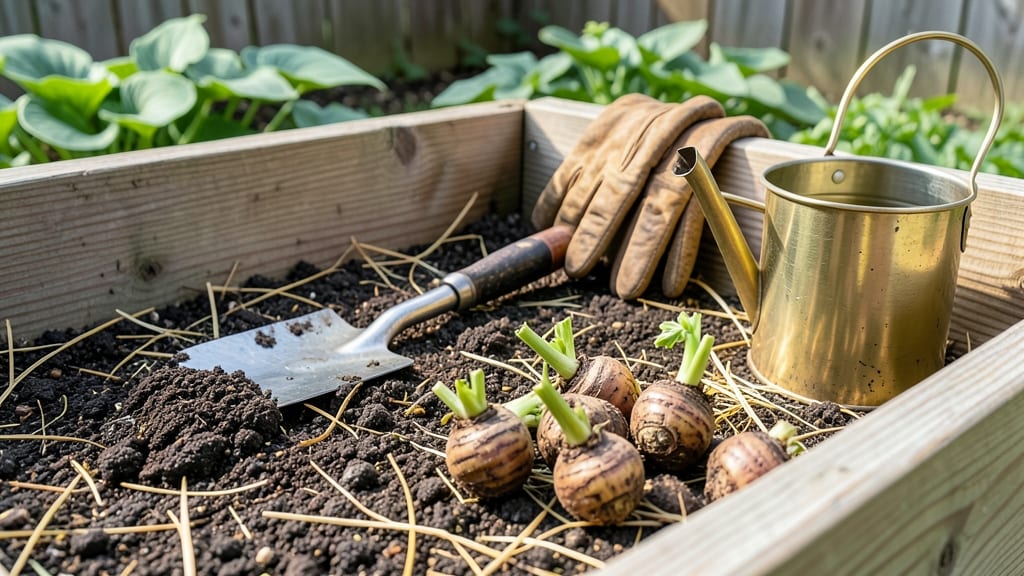
When to plant dahlia tubers in Michigan isn’t just about following a calendar—it’s about beating frost while giving your 🌼 a fighting chance to thrive. Plant too early, and a late spring freeze could wipe out months of effort; too late, and you might miss the July-to-October blooming window entirely.
Michigan’s Zone 5b-6b climate means your best window runs from mid-April to mid-May, but that’s not a one-size-fits-all rule. Southern Michigan’s warmer microclimates might let you start earlier, while northern areas like Traverse City need to wait until the soil hits 60°F—and that’s often late April or early May.
I’ll show you exactly how to read your local frost dates, prep soil for success, and even adjust for Michigan’s unpredictable spring weather. Whether you’re a first-time gardener or a seasoned pro, these tips will help you avoid common pitfalls like frost damage or stunted growth.
Ready to grow dahlias that steal the show? Let’s dive into the frost-free timeline and strategies that work for Michigan gardens—no guesswork required.
Michigan dahlia planting timeline: exact dates by frost Zone (5-6)
Michigan’s Zone 5-6 climate means dahlia tubers must wait for consistent soil temperatures above 60°F to thrive. Planting too early risks frost damage, while waiting too long delays summer blooms.
Let’s break down the optimal planting window for Michigan’s northern and southern regions, including key cities like Detroit, Grand Rapids, and Traverse City.
Most of Michigan experiences its last average frost date between mid-April and early May. However, soil temperature lags behind air temperature, so don’t rush—wait until the ground warms to 60°F+. Use a soil thermometer for accuracy, especially in northern Michigan, where frosts linger longer.
For southern Michigan (Zone 6), like Detroit and Ann Arbor, aim to plant mid-April to early May.
In central Michigan (Zone 5b), such as Lansing or Jackson, wait until late April to mid-May. Northern Michigan (Zone 5a), including Traverse City and Marquette, should hold off until early to mid-May.
Here’s a region-specific summary to help you plan:
| Region | Zone | Last Frost Date | Planting Window | Soil Temp Goal |
|---|---|---|---|---|
| Southern MI (Detroit, Ann Arbor) | 6a-6b | Mid-April | Mid-April to early May | 60°F+ |
| Central MI (Lansing, Jackson) | 5b | Late April | Late April to mid-May | 60°F+ |
| Northern MI (Traverse City, Marquette) | 5a | Early May | Early to mid-May | 60°F+ |
If you’re in doubt, use the “10-day rule”: Wait until there’s a 10-day stretch with no frost predicted. This gives dahlias time to establish roots before Michigan’s unpredictable late frosts. For extra safety, cover young plants with frost cloth if nighttime temps dip below 40°F.
Pro tip: Soak tubers overnight before planting to jumpstart growth. This is especially critical in northern Michigan, where cooler soils slow germination. Plant tubers 4-6 inches deep, with the eyes (growth nodes) facing upward.
For gardeners in urban areas, like Detroit or Grand Rapids, microclimates can affect frost dates. Areas near large bodies of water or concrete surfaces may warm up faster, while wooded lots stay colder longer. Adjust your planting date accordingly.
Once planted, dahlias need 6-8 hours of sunlight daily to bloom. In Michigan’s shorter summer days, prioritize south-facing garden beds for maximum light exposure. Mulch around the base to retain soil warmth and moisture, which is crucial during Michigan’s variable spring weather.
Remember, dahlias are perennials in Michigan’s climate, meaning their tubers survive winter if protected. However, first-year blooms depend on proper planting timing. By following this frost-free timeline, you’ll enjoy vibrant dahlias from July to October—just in time for Michigan’s golden autumn.
5 Critical signs your Michigan soil is ready for dahlia tubers
Planting dahlia tubers in Michigan isn’t just about checking a calendar—your soil temperature and moisture levels are the real indicators. Cold, wet soil can stunt growth or even rot tubers before they sprout. I’ve learned the hard way that waiting for the right conditions beats rushing too early every time.
First, your soil must stay above 60°F (15°C) for at least a week. This ensures roots grow actively instead of sitting dormant. Use a soil thermometer to check—dig it 4 inches deep where you’ll plant.
If it’s cooler, wait a few days or even a week, especially in northern Michigan where springs linger.
Next, test for moisture consistency. Stick your finger 2-3 inches deep—if it feels damp but not soggy, your soil is ready. Waterlogged soil suffocates tuber roots, while bone-dry soil forces them to struggle.
Michigan’s spring showers can make this tricky, so plan to plant after a dry spell or when excess rain has drained away.
Here are the 5 must-check signs before planting:
- 🌡️ Soil temp consistently above 60°F (15°C) for 7+ days
- 💧 Moisture at 2-3" depth feels damp (like a wrung-out sponge)
- 🌱 Last frost has passed (check local records—Detroit averages April 20, Traverse City May 5)
- ❄️ No frost predicted in next 5 days (check NOAA forecasts)
- 🪴 Tubers are plump and firm (not shriveled or mushy)
If your soil isn’t ready, don’t panic—there are workarounds. For example, in northern Michigan, I’ve used black plastic mulch to warm soil faster. Lay it down 2 weeks before planting to accelerate heating.
Alternatively, start tubers indoors in biodegradable pots 4-6 weeks before your target date, then transplant when soil warms up.
One common mistake? Planting based on air temperature alone. A 70°F day with 50°F soil won’t help—roots need warmth. Pro tip: If you’re unsure, wait until May 1 as a safe bet for most of Michigan. By then, soil temps will have caught up, even in cooler zones.
Finally, always soak tubers overnight before planting. This jumpstarts hydration and helps them establish faster in cooler Michigan soils. Pair this with a light mulch (straw or shredded leaves) to retain warmth and moisture until roots take hold.